
Side Dishes
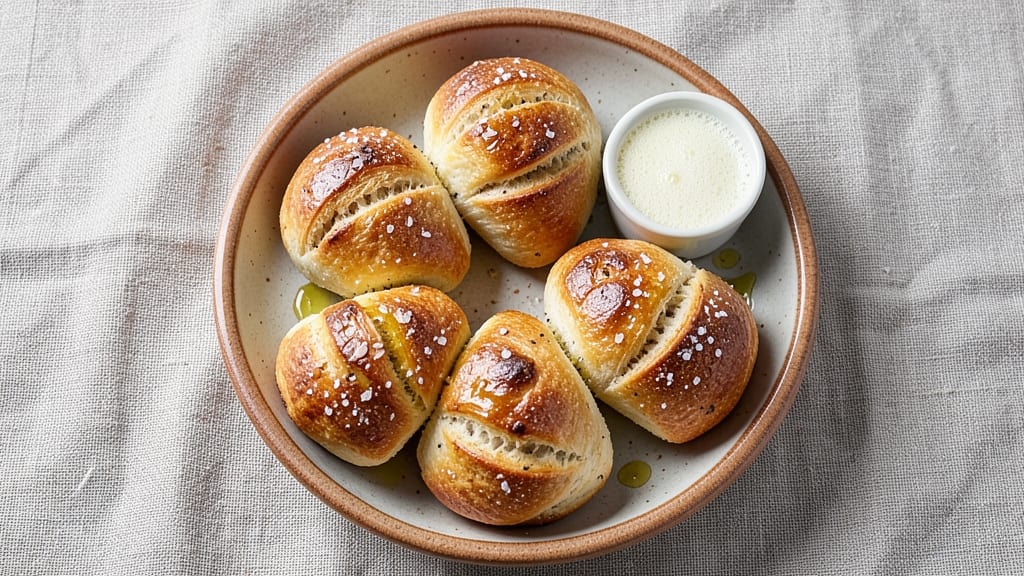
Almond flour bread rolls deliver that perfect balance of nutty crunch and pillowy softness—without any gluten in sight. These vegan-friendly rolls use almond flour’s natural richness to create a tender yet sturdy texture, perfect for sandwiches or serving alongside soups.
The secret lies in proper hydration and binding agents like flaxseed or aquafaba to mimic the structure of traditional dough.
What makes these rolls special is their ability to stay moist and flavorful even after baking. Unlike regular bread, almond flour absorbs liquid differently, so we’ll focus on achieving the right balance for a light, airy crumb with a golden-brown crust.
No yeast required—just a simple mix, shape, and bake approach that’s beginner-friendly yet impressive.
The result? Warm, fragrant bread rolls with a subtle almond flavor and a satisfying bite. They’re versatile enough for sweet or savory fillings, and the nutty undertones add depth to any meal. Whether you’re gluten-free, vegan, or just looking for a unique twist on classic bread rolls, this recipe delivers.
Ready in just 30 minutes from start to finish, these rolls are perfect for weeknight dinners or holiday gatherings. The key is patience during mixing and baking—trust the process, and you’ll end up with rolls that taste homemade, no matter where you are.
Ingredients for almond flour bread rolls
Twelve simple ingredients for golden, nutty bread rolls that surprise everyone with their soft center.
| Ingredient | Amount | Notes |
|---|---|---|
| Almond Flour 🌰 | 3 cups | Finely ground, blanched preferred |
| Flaxseed Meal 🌾 | 1 ½ tbsp | Ground flaxseed for binding |
| Warm Water 💧 | ¾ cup | Not boiling, room temperature |
| Aquafaba 🥫 | ½ cup | From canned chickpeas, whipped |
| Extra-Virgin Olive Oil 🫒 | ¼ cup | For richness and moisture |
| Apple Cider Vinegar 🍎 | 1 tbsp | Activates binding agents |
| Salt 🧂 | 1 ½ tsp | Fine sea salt preferred |
| Baking Powder 🍞 | 1 ½ tsp | Aluminum-free preferred |
| Maple Syrup 🍁 | 1 tbsp | For subtle sweetness |
| Olive Oil Spray 🫒 | 2 tbsp | For greasing baking sheet |
| Sesame Seeds 🌻 | 1 tbsp | Optional for topping |
| Ground Cinnamon 🌿 | ½ tsp | For warm flavor |
Almond flour is the star here—Bob's Red Mill or Anthony's Goods are my go-tos for consistency. The finer the grind, the better the texture, so avoid pre-ground flour that's been sitting for months. Flaxseed meal? Bob's Red Mill makes the best stuff—just grind whole flaxseeds yourself if you're feeling fancy. The aquafaba should be from canned chickpeas (like Goya), not homemade, for reliable whipping. If you can't find aquafaba, 1 tbsp ground flaxseed + 3 tbsp water works in a pinch, but texture won't be identical. The olive oil? California brand for that fruity punch—none of that cheap grocery store stuff.
No aquafaba? 1 extra egg (if not vegan) or 1/4 cup unsweetened applesauce works, but expect denser rolls. Running low on almond flour? Oat flour at half the amount stretches it, but flavor changes dramatically. The maple syrup can be swapped for agave or date syrup, but maple adds that perfect caramel note. Sesame seeds optional, but worth it—they toast beautifully while baking. Pro tip: Whisk the wet ingredients first until fully combined before mixing with dry. The dough will look shaggy, but that's normal with almond flour. Don't overmix or you'll get tough rolls.
These rolls keep surprisingly well—3 days wrapped in a clean kitchen towel at room temp, or 1 week frozen in an airtight container. Reheat frozen rolls in a 350°F oven for 8-10 minutes with a splash of water in the pan for steam. For extra crispiness, brush with melted coconut oil after baking. The dough can be prepped 12 hours ahead and refrigerated—just let it sit at room temp for 20 minutes before shaping. Making a big batch? Divide the dough into 12 equal portions right away—they'll be easier to handle.
Why You'll Love This Recipe
- Five-Ingredient Magic: I swear by this recipe because it’s that simple—just almond flour, flaxseed meal, warm water, aquafaba (yes, chickpea brine!), and olive oil. No yeast, no kneading, no waiting around. Honestly, I’ve made these while scrolling through emails, and they still turn out tender and golden.
- Nutty, Buttery Richness: The almond flour gives these rolls a delicate, almost cake-like texture, while the aquafaba adds a subtle chewiness. Drizzle them with olive oil after baking? Pure satisfaction—crisp edges, soft centers, and a flavor that’s ridiculously good without needing fancy add-ins.
- Weeknight & Holiday Star: Between us, these are my go-to for dinner rolls and Sunday brunch. Freeze half the batch—thaw and warm them straight from frozen—and they’re ready for sandwiches, soup nights, or even a charcuterie board. (Yes, even on a Tuesday night.)
- Zero-Waste Pantry Hero: I always have almond flour and flaxseed on hand, and aquafaba? It’s just saved chickpea brine from my last meal. No extra shopping, no food waste—just a clever way to use what’s already there. Plus, they keep well for days, so I’m never scrambling for fresh bread.
Step-by-step instructions for almond flour bread rolls
Here's how to create pillowy, nutty bread rolls that surprise everyone with their perfect texture.
Whip the Aquafaba and Mix Wet Ingredients
In a large mixing bowl, whip the 0.5 cup aquafaba with a hand mixer until it forms stiff peaks—this will replace eggs and create that signature lightness. I like to add a pinch of salt while whipping to enhance flavor and stability. Once fluffy, gently fold in the 0.25 cup extra-virgin olive oil, 1 tbsp apple cider vinegar, and 1 tbsp maple syrup. The vinegar activates the binding agents while the maple syrup adds subtle sweetness that balances the nuttiness of the almond flour.
In a separate small bowl, combine the 0.75 cup warm water with 1.5 tbsp flaxseed meal and let it sit for 5 minutes to form a gel-like binder. This step is crucial—it mimics the gluten structure we'd normally get from wheat flour. Stir occasionally to ensure the flaxseed meal fully hydrates before adding it to your wet mixture. The texture should resemble a thick pudding when ready.
Combine Dry Ingredients and Form the Dough
In the same bowl with your whipped aquafaba mixture, sift in the 3 cups almond flour, 1.5 tsp baking powder, 1.5 tsp salt, and 0.5 tsp ground cinnamon. Use a rubber spatula to gently fold everything together until just combined—don't overmix or you'll develop gluten that makes the rolls dense. The dough will be thick and sticky, almost like cookie dough, but that's exactly what we want for that tender crumb.
Add the flaxseed gel to the bowl and mix until fully incorporated. At this point, the dough should hold together when pressed but still feel slightly wet. If it's too dry, add 1 tsp warm water; if too sticky, add 1 tbsp more almond flour. The ideal consistency is like thick cookie dough that can be shaped without sticking to your hands.
Shape and Proof the Rolls
Lightly grease a baking sheet with olive oil spray and set aside. Divide the dough into 12 equal portions (about 1.5 oz each) and roll them into smooth balls. For perfect shaping, I use my hands to gently flatten the top of each roll, then press a cross pattern with my thumb to create a decorative touch. Arrange them on the prepared baking sheet, spacing them about 1.5 inches apart—they'll expand as they bake.
Cover the baking sheet loosely with plastic wrap and let the rolls proof at room temperature for 30 minutes. You'll know they're ready when they've puffed up about 25% in size. Don't skip this step—proper proofing ensures those pillowy interiors we're after. If your kitchen is cold, proof them for 45 minutes instead to allow the yeast (from the baking powder) to work effectively.
Bake to Golden Perfection
Preheat your oven to 350°F while the rolls are proofing. This moderate temperature ensures even baking without burning the tops. Once preheated, bake the rolls for 20-25 minutes until they're golden brown on top and the internal temperature reaches 190°F when tested with an instant-read thermometer. The edges should pull away from the pan slightly, and they should sound hollow when tapped on the bottom.
For that extra crunch, sprinkle 1 tbsp sesame seeds evenly over the tops right when you pull them from the oven. The seeds will toast beautifully in the residual heat. Let the rolls cool on the baking sheet for 5 minutes before transferring to a wire rack. This resting period allows the moisture to redistribute, preventing them from becoming gummy in the center.
Serve Warm for Maximum Enjoyment
Serve the rolls warm, ideally within 30 minutes of baking when they're at their most tender. The contrast of the crispy sesame-topped exterior with the soft, nutty interior is what makes these rolls so special. I like to pair them with soups, stews, or simply slather them with extra-virgin olive oil and a sprinkle of flaky sea salt for a simple yet elegant presentation.
Store any leftovers in an airtight container at room temperature for 1 day or refrigerate for up to 3 days. To reheat, wrap them in foil and warm in a 350°F oven for 5-7 minutes until heated through. The texture will be slightly drier than fresh, but they'll still be delicious—just not quite as pillowy.
Pro Tips For Making Almond Flour Bread Rolls
- MIX AQUAFABA FIRST: Mix the aquafaba with flaxseed meal and warm water before adding almond flour—this gives the binding agents time to fully activate. I learned this the hard way after rolls fell apart during shaping; the flax needs 3-5 minutes to gel properly.
- WEIGH ALMOND FLOUR: Scooping almond flour leads to inconsistent moisture and density. Use a kitchen scale for precise measurements—this recipe relies on the exact ratio of flour to aquafaba for structure. (Yes, even if your cup is "standard," almond flour packs differently.)
- STEAM THE OVEN: Place a baking tray of boiling water on the lower rack for the first 10 minutes of baking. The extra steam helps these dry rolls rise properly without cracking—almond flour lacks gluten’s natural lift, so humidity is your friend here.
- CHILL THE DOUGH: Let the dough rest in the fridge for at least 30 minutes before shaping. Cold dough is easier to handle and prevents the aquafaba from over-expanding during baking, which leads to dense, gummy rolls instead of light ones. (I know, skipping this is tempting.)
Dietary considerations for almond flour bread rolls
Gluten-Free Foundation
Almond flour is naturally gluten-free, making these rolls perfect for anyone avoiding wheat. The key is using binding agents like flaxseed meal and aquafaba to replicate gluten's structure. Without these, the rolls would crumble—so don't skip the 5-minute soak for the flaxseed gel! 🌰
Vegan-Friendly Binding
Traditional bread rolls rely on eggs for structure, but here we use aquafaba (chickpea brine) whipped to stiff peaks. For extra insurance, I add 1 tbsp extra flaxseed meal if the dough feels too loose. The result? Rolls that hold their shape beautifully while staying soft inside.
Low-Carb Adaptation
With only 3 cups almond flour (about 120g net carbs per batch), these rolls fit low-carb diets while delivering satisfying texture. The maple syrup adds minimal carbs (1 tbsp = 13g) but enhances flavor. For even lower carbs, reduce to ½ tbsp or omit entirely.
Nut-Free Substitutions
Allergic to almonds? Swap the 3 cups almond flour for 2.5 cups oat flour plus ½ cup coconut flour. The texture will be denser but still delicious. For binding, increase aquafaba to ⅔ cup to compensate for the less cohesive flours.
Dairy-Free Comfort
This recipe is already dairy-free, but for extra richness, brush warm rolls with melted coconut oil instead of butter. The olive oil in the dough provides enough moisture without dairy—no one will miss it! The sesame seeds add a satisfying crunch that pairs perfectly with savory fillings.
Nutrition facts
Frequently asked questions
Why does my almond flour dough look different from regular bread dough?
Almond flour dough is naturally thicker and stickier than wheat-based dough because it absorbs moisture differently. The aquafaba and flaxseed gel create structure without gluten, so it won't stretch like traditional dough. This is normal—just handle it gently to avoid tearing! The dough should hold together when pressed but still feel slightly wet.
Can I make these rolls without aquafaba?
Yes! For a vegan version, use 1 extra egg if you're not strictly plant-based, or ¼ cup unsweetened applesauce for binding. The texture will be slightly denser, but still delicious. If using eggs, reduce the flaxseed meal to 1 tbsp since eggs provide some structure. For a completely egg-free option, increase the aquafaba to ⅔ cup for better lift.
How do I prevent my rolls from being too dense?
Overmixing is the #1 cause of dense rolls. Mix just until combined—stop when the dough holds together but still looks shaggy. Also, ensure your almond flour is finely ground (not coarse), and don't skip the 30-minute proofing time. For extra lightness, whip the aquafaba to stiff peaks and fold it gently into the dry ingredients. A 350°F oven with proper preheating also helps achieve that perfect rise.
Can I make these rolls ahead of time?
Shape the rolls and refrigerate them (unbaked) for up to 12 hours. Let them sit at room temperature for 20 minutes before baking. For storage, keep baked rolls in an airtight container at room temperature for 1 day or refrigerate for 3 days. To reheat, wrap in foil and warm in a 350°F oven for 5-7 minutes—they'll be slightly less pillowy but still tasty!
What's the best way to add flavor variations?
For savory rolls, add 1 tsp dried rosemary or ½ tsp garlic powder to the dry ingredients. Sweet versions work well with ½ tsp cinnamon + 1 tbsp honey (reduce maple syrup to ½ tbsp**). For herbed rolls, mix 1 tbsp chopped fresh herbs (like thyme or parsley) into the dough before shaping. The key is balancing flavors—start with small amounts and adjust to taste!