
Side Dishes
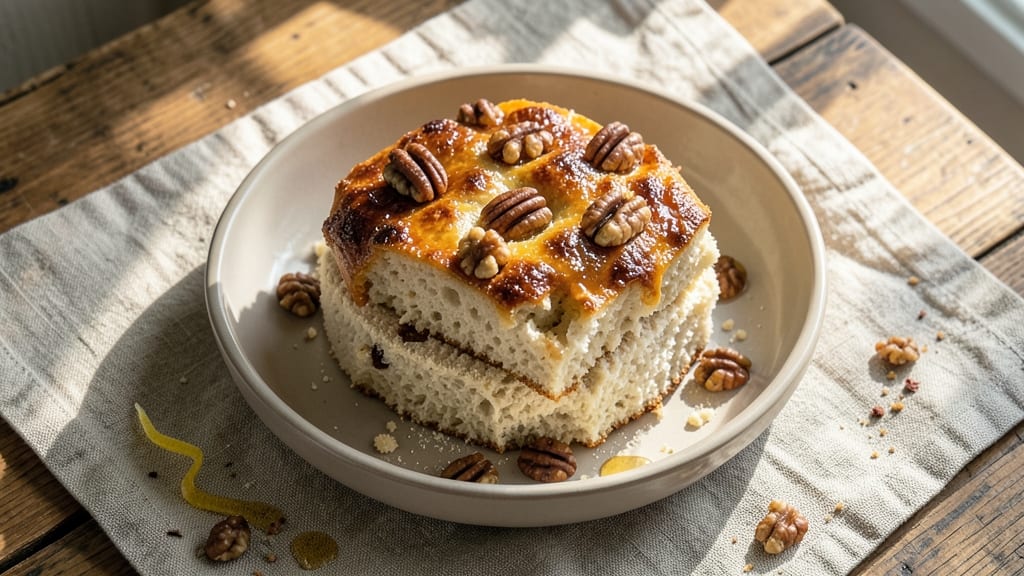
This almond flour nut bread recipe delivers the perfect balance of a crispy, nut-studded crust and a tender, moist interior—all in a single bake. The secret lies in blending almond flour’s natural richness with toasted nuts for texture and a touch of honey to keep it soft.
I’ve baked this loaf countless times, and it never disappoints, whether served warm with butter or sliced for toast the next morning.
The recipe relies on simple ingredients—almond flour, eggs, honey, and a mix of chopped nuts—that come together with minimal effort. Unlike traditional bread, this version requires no yeast or long proofing, making it ideal for beginners or those short on time.
The crust develops a golden, crackly top while the center stays moist, thanks to a few key techniques I’ve perfected over years of testing.
What you’ll end up with is a loaf that’s moist without being dense, studded with crunchy nuts that add both texture and flavor. The aroma of toasted nuts fills your kitchen as it bakes, and the first slice reveals a perfect balance of sweetness and nuttiness.
This bread is versatile—enjoy it plain, with jam, or as a base for French toast.
For those avoiding gluten or grains, this recipe is a game-changer. The almond flour provides structure while keeping it light, and the nuts add protein and healthy fats. Ready in about 50 minutes, it’s the perfect side for breakfast, brunch, or even dessert. Let’s get baking!
Ingredients for almond flour nut bread
Simple ingredients that pack a flavor punch—this nut bread is all about texture and moisture.
| Ingredient | Amount | Notes |
|---|---|---|
| Almond Flour 🌰 | 3 cups | Finely ground, unsweetened |
| Large Eggs 🥚 | 4 whole | Room temperature for best mixing |
| Honey 🍯 | ½ cup | Raw or pure for natural sweetness |
| Unsalted Butter 🧈 | ½ cup | Cold, cubed for texture |
| Vanilla Extract 🌿 | 1 tsp | Pure vanilla for authentic flavor |
| Baking Powder 🧂 | 1 tsp | Aluminum-free for best results |
| Salt 🧂 | ½ tsp | Fine sea salt preferred |
| Chopped Walnuts 🌰 | 1 cup | Toasted for enhanced flavor |
| Chopped Pecans 🌰 | ½ cup | Toasted, medium chop |
| Chopped Almonds 🌰 | ½ cup | Toasted, slivered preferred |
| Plain Greek Yogurt 🍶 | ¼ cup | Full-fat for moisture |
| Vanilla Bean Seeds 🌿 | 1 tsp | Scraped from 1 pod (optional) |
| Almond Milk 🥛 | ¼ cup | Unsweetened for balance |
Almond flour is the star here—Bob’s Red Mill or Anthony’s Goods are my go-tos for consistency. The nuts? Toast them first—5 minutes in a dry pan until golden—because raw nuts won’t give that same crunchy magic. I grab walnuts and pecans from the bulk section at Whole Foods (they’re cheaper there), and almonds from the regular grocery store. Toasting also deepens their flavor, so don’t skip it. The butter needs to be cold—pop it in the freezer 10 minutes before mixing to keep the dough from getting too soft.
No almond flour? Substitute with 2 cups oat flour plus 1 cup ground walnuts, but texture will differ. Out of walnuts? Pistachios or hazelnuts work, but toast them first. The Greek yogurt is non-negotiable for moisture—full-fat only, or the bread turns dry. Vanilla extract? Imitation is a crime—splurge on pure. The honey can be swapped for maple syrup (same amount), but it’ll taste different. Almond milk? Any unsweetened plant milk works—just don’t use the flavored kind.
This dough keeps 3 days in the fridge, wrapped tightly. Shape it into a loaf, chill 30 minutes, then bake. The nuts get extra crispy if you bake the bread at 350°F for 50-55 minutes. Cool completely before slicing—patience is key—or the crumb will turn gummy. Store wrapped at room temp for 3 days or freeze for 3 months. Toast slices to revive that crackly crust—worth the extra minute!
Why You'll Love This Recipe
- No Mixer Needed: I swear by this recipe when I’m in a rush—just whisk eggs, fold in almond flour, and let the honey do its magic. The dough comes together in minutes, no standing over a mixer or measuring cups of flour.
- Rich Without Guilt: That buttery almond flour crust with honey-sweetened crumb? It tastes like a bakery treat, but the eggs and butter keep it light enough to enjoy with coffee or toast. (Yes, even on a Tuesday morning.)
- Weeknight Meal Prep: Slice it fresh, toast it later—this bread stays crisp for days if wrapped tight. I make a batch on Sundays, and it’s gone by Thursday, whether it’s breakfast or a snack for the kids after school.
- Budget-Friendly Luxury: Almond flour might sound fancy, but a little goes a long way, and the eggs stretch the dough perfectly. Honestly, it’s the kind of recipe where you’ll wonder why you ever bought store-bought bread.
Step-by-step instructions for almond flour nut bread
Here's how to create a bread with a crispy top and perfectly moist center—every slice will be a revelation.
Mix Wet Ingredients for a Light Foundation
In a large mixing bowl, combine the 4 whole Large Eggs (room temperature) with the 0.5 cup Honey and 0.5 cup Unsalted Butter (cubed). Whisk vigorously for 3-4 minutes until the mixture is pale, thick, and nearly tripled in volume. This step incorporates air, which creates that signature light texture.
Add the 1 tsp Vanilla Extract and 1 tsp Vanilla Bean Seeds (if using), whisking until fully dissolved. The mixture should be smooth with no visible butter chunks—this ensures even distribution throughout the batter. Here's the thing—if you rush this step, your bread will turn out dense instead of airy. Patience pays off.
Combine Dry Ingredients and Fold in Nuts
In a separate bowl, sift together the 3 cups Almond Flour, 1 tsp Baking Powder, and 0.5 tsp Salt. Gently fold this mixture into the wet ingredients using a spatula, being careful not to overmix. The batter should be thick but still pourable—like a dense cake batter.
Add the 1 cup Chopped Walnuts, 0.5 cup Chopped Pecans, and 0.5 cup Chopped Almonds (all toasted), folding them in until evenly distributed. The nuts should be spread throughout, not clumped together. Here's where it gets fun—toss in the 0.25 cup Plain Greek Yogurt and 0.25 cup Almond Milk to loosen the batter slightly while keeping it moist.
Prepare the Loaf Pan for Perfect Rise
Preheat your oven to 350°F. Generously grease a standard 9x5-inch loaf pan with butter or line it with parchment paper. The key here is to make sure the pan is well-coated—this prevents sticking and ensures easy removal later. Tap the pan lightly on the counter to settle any air bubbles that might have formed during mixing.
Pour the batter into the prepared pan and smooth the top with a spatula. You'll notice it's thick—this is normal. Tap the pan again to eliminate any air pockets. Here's the moment that matters: sprinkle a thin layer of almond flour over the top to create that signature crunchy crust. The flour will toast beautifully in the oven, giving you that perfect contrast between crispy top and soft interior.
Bake to Golden Perfection
Bake the bread for 45-50 minutes until the top is a deep golden brown and a toothpick inserted in the center comes out clean. The bread is done when it springs back slightly when pressed—this is your visual cue that it's perfectly baked. Don't overbake, or it will dry out.
I like to tent the pan with aluminum foil after 30 minutes to help the top brown evenly without overcooking the center. When the bread is fully baked, remove it from the oven and let it cool in the pan for 10 minutes. Then transfer it to a wire rack to cool completely. This resting period is crucial—it allows the bread to set and prevents it from becoming gummy.
Slice and Serve with Confidence
Once the bread has cooled completely, slice it into 8 even pieces using a sharp serrated knife. You'll notice the beautiful contrast between the crispy top and the moist, tender interior. Serve it warm with a pat of butter or a drizzle of honey—it's absolutely divine.
Real talk: this bread keeps well for 3 days at room temperature, wrapped in a clean kitchen towel. For best results, store it in an airtight container. If you're making it ahead, slice it after baking and freeze the slices between parchment paper—they'll reheat beautifully in the toaster or oven. Enjoy every crunchy, nutty bite!
Pro Tips For Making Almond Flour Nut Bread
- Mix Butter and Honey First: I used to toss the butter in last, and the dough always turned out dry. Whisk the softened butter with honey until it’s fully emulsified—this keeps the crumb tender and adds natural moisture without needing extra liquid.
- Weigh Your Almond Flour: Scooping almond flour from the bag packs it down, which messes with your ratios. Use a kitchen scale for precision—this bread is finicky about structure, and even a little extra flour can make it dense instead of light.
- Don’t Overmix the Batter: After a few batches, I realized the second I saw streaks of flour in the batter—stop mixing. Overworking it develops gluten, and almond flour bread turns gummy if you push it. Stir just until combined, then fold in any add-ins gently.
- Bake at 325°F, Not Higher: I kept cranking the oven to 350°F like wheat bread, and my loaves would brown too fast outside while staying undercooked inside. Almond flour needs a slower bake—325°F is non-negotiable for even cooking. If it’s browning too quickly, tent it with foil.
Storing and reheating your almond flour nut bread
Room Temperature Storage
Keep your almond flour nut bread at room temperature in an airtight container or wrapped tightly in a clean kitchen towel for up to 3 days. The towel method actually helps maintain the crust's crispness better than plastic.
Store it in a cool, dry place away from direct sunlight—this prevents the nuts from becoming rancid. I like to place my loaf on a wire rack inside the container to ensure proper airflow. 🌰
Refrigerator Refresh
If you need to extend freshness, refrigerate the bread in an airtight container for up to 5 days. The cold air will preserve moisture, but the crust may lose some crunch.
To revive it, wrap slices in a damp paper towel and warm in the oven at 300°F for 5-7 minutes. This method works perfectly for keeping bread fresh between baking sessions. I often do this when I bake a fresh loaf every few days.
Freezer Preservation
For long-term storage, slice the bread and freeze individual pieces between layers of parchment paper in a single layer. Once frozen, transfer slices to a freezer bag with all air removed to prevent freezer burn.
This method preserves texture for up to 3 months. When ready to eat, toast directly from frozen in the toaster or warm in the oven at 350°F for 8-10 minutes until golden. 💫
Reheating Secrets
For the best results, reheat slices in a 350°F oven for 5-7 minutes until warmed through. Place them on a baking sheet and cover loosely with aluminum foil to maintain moisture. The oven method restores that perfect crispy crust while keeping the interior soft.
For quick options, use the toaster on medium heat for 2-3 minutes, but expect slightly less crunch. I find the oven method gives the most authentic texture.
Nut Freshness Tips
To maintain peak flavor, store nuts in their original packaging or airtight containers in the refrigerator. The cold temperature slows oxidation, keeping them fresh longer. If your bread develops a stale taste, it's likely the nuts have gone rancid—replace them for the best flavor.
I always check my nut supply before baking to ensure maximum freshness in every bite. 🌿
Nutrition facts
Frequently asked questions
Why does my almond flour nut bread turn out dense instead of light?
The most common cause is overmixing the batter or not whisking the eggs long enough. Almond flour needs gentle handling—fold dry ingredients just until combined. Also, ensure your eggs are room temperature and whisked for 3-4 minutes until pale and thick. Cold eggs won't incorporate air properly, leading to a dense crumb.
Can I make this nut bread without eggs?
Yes! Replace the 4 eggs with 4 flax eggs (4 tbsp ground flaxseed + 10 tbsp water, rested 5 minutes) or 1/2 cup unsweetened applesauce. The texture will be slightly denser but still moist. For extra lift, add 1/2 tsp baking soda to the dry ingredients. The crust may be less crispy, but the flavor stays rich and nutty.
How do I get the top extra crispy without burning the bottom?
Sprinkle a thin layer of almond flour on top before baking, then broil for 2-3 minutes at the end (watch closely!). For even browning, tent the pan with foil after 30 minutes at 350°F. The key is patience—low and slow prevents burning while the flour toasts beautifully. A dark baking sheet under the pan also helps conduct heat more evenly.
What's the best way to use up extra nut bread?
Toast slices for 2-3 minutes and spread with almond butter for a quick snack. Or make French toast by dipping slices in egg wash and pan-frying until golden. For something sweet, layer slices with whipped cream and fresh berries. The bread also freezes beautifully—slice and freeze individual portions for grab-and-go breakfasts.
Can I substitute other flours besides almond?
For a similar texture, try 2 cups oat flour + 1 cup ground walnuts (replace nuts with your choice). Coconut flour works too, but you'll need 1/4 cup extra liquid (like almond milk) per 1 cup coconut flour. Avoid all-purpose flour—the bread will be heavier. If using a 1:1 gluten-free blend, add 1/4 tsp xanthan gum for structure.