
Side Dishes
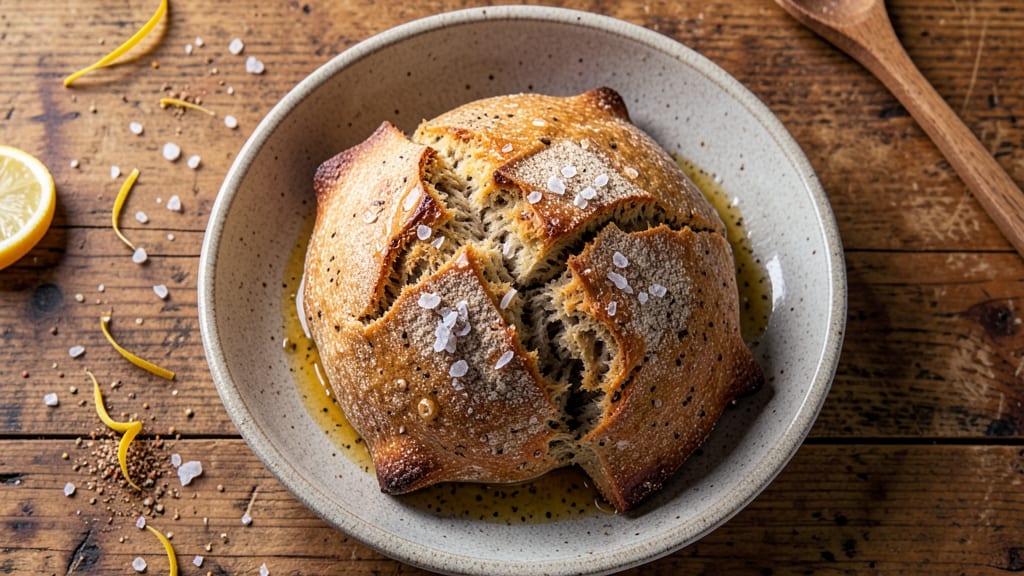
This almond sourdough bread recipe delivers a nutty, golden crust with an open, airy crumb that rivals artisanal bakeries—all with a foolproof process for home bakers. The secret lies in blending traditional sourdough fermentation with almond flour or finely ground almonds, which add richness without overpowering the tangy, chewy texture.
I developed this version after years of experimenting with gluten-free adaptations, and it works beautifully for both classic and modern twists like almond butter swirls.
The dough begins with an active sourdough starter, ensuring that signature sour depth while almond additions create a luxurious crumb and crispy exterior. Unlike store-bought versions, this recipe controls sourness levels precisely, balancing them with sweet almond notes for a harmonious flavor.
The shaping method—using a banneton or bowl—helps create those coveted open crumb holes, while a steam bath during baking locks in moisture for a tender interior.
What sets this apart is the versatility: use almond milk or vegan butter for dietary flexibility, or boost nutrition with ground flaxseed. The result is a loaf with shatteringly crisp edges, a velvety crumb, and a nutty aroma that fills your kitchen.
Perfect for sandwiches, toast, or gifting, this bread proves homemade artisan-style can be both achievable and exceptional—no bakery required.
Troubleshooting is covered in the instructions, from adjusting hydration for the perfect dough consistency to managing proofing times for ideal rise. Whether you're a seasoned baker or new to sourdough, this recipe delivers restaurant-quality results with clear, step-by-step guidance. Let’s get started on your first loaf!
Ingredients for almond sourdough bread
Foolproof almond sourdough blend delivers artisanal texture with nutty depth and open crumb structure.
| Ingredient | Amount | Notes |
|---|---|---|
| Active Sourdough Starter 🍞 | ½ cup | Unfed, bubbly starter |
| Almond Flour 🌰 | 2 ½ cups | Finely ground, blanched preferred |
| All-Purpose Flour 🌾 | 1 ½ cups | High-protein for structure |
| Granulated Sugar 🍚 | ¼ cup | Fine grain preferred |
| Instant Yeast 🍞 | ¼ tsp | Not active dry |
| Salt 🧂 | 1 ½ tsp | Diamond Crystal preferred |
| Almond Milk 🥛 | ¾ cup | Unsweetened, room temperature |
| Vegan Butter 🧈 | ¼ cup | Melted, unsalted preferred |
| Ground Flaxseed 🌱 | 1 tbsp | For omega-3 boost |
| Water 💧 | ½ cup | Room temperature |
| Almond Butter 🥜 | ¼ cup | For optional swirl |
| Cornmeal 🌽 | ½ cup | For dusting banneton |
| Ice Water ❄️ | ¼ cup | For final shaping |
The almond flour is non-negotiable for that signature nutty aroma and crisp crust. Bob's Red Mill or Anthony's Goods brands provide the finest grind, avoiding gritty textures. For the sourdough starter, ensure it's active and bubbly—discard any with a vinegary smell. The almond milk should be unsweetened to avoid altering the dough's delicate balance, and Silk or Almond Breeze are reliable choices. Pre-grind your flaxseed for a smoother texture, and store it in the freezer to preserve freshness. The vegan butter should be high-quality, like Miyoko's or Earth Balance, to ensure proper dough development without dairy interference.
No almond flour? Substitute with 2 cups finely ground blanched almonds, but blend them yourself for consistency. Running short on almond milk? Oat milk or coconut milk work, though texture may vary slightly. The granulated sugar can be swapped for maple syrup or coconut sugar at a 1:1 ratio, though it may slightly alter hydration. For the optional almond butter swirl, peanut butter or tahini are viable alternatives, though they introduce different flavor profiles. If your starter isn't ready, instant yeast can be used alone at 1 tsp, though the flavor will differ. Always measure your flours by weight for precision—1 cup all-purpose flour weighs about 4.5 oz, while almond flour is lighter at roughly 3 oz per cup.
Store the dough in an airtight container in the fridge for up to 24 hours before baking, allowing flavors to meld further. The baked loaf keeps well at room temperature for 3 days or wrapped in foil for 5 days in the fridge. For longer storage, freeze slices wrapped in parchment for up to 3 months. To revive, toast frozen slices directly in the toaster or oven. The almond flour and butter can be prepped ahead—store almond flour in the freezer and softened butter in the fridge for up to 1 week. Always let your dough rest at room temperature before shaping to avoid cracking during proofing.
Why You'll Love This Recipe
- No-Knead Magic: I swear by this—just mix, let it rise, and bake. The almond flour gives it a tender crumb without the fuss of kneading, and the sourdough starter does all the work while you sip coffee.
- Nutty Crunch Surprise: That first bite? The toasted almond flavor from the flour pairs with the tangy sourdough like a match made in heaven. It’s not sweet, not savory—it’s both, and in the best way.
- Weeknight & Picnic Hero: Slice it for toast in the morning, pack it for sandwiches at lunch, or tear it into chunks for a picnic. The almond flour keeps it moist longer than regular sourdough, so leftovers actually stay fresh.
- Budget-Friendly Luxe: Almond flour might sound fancy, but a little goes a long way here. The rest of the ingredients are pantry basics, and you’ll use up that sourdough starter you already have sitting around. Fancy taste, zero guilt.
Step-by-step instructions for almond sourdough bread
Master this technique and you'll achieve a nutty crust with an open, airy crumb every time.
Mix Wet Ingredients and Hydrate the Dough
In a large mixing bowl, combine the 0.5 cup active sourdough starter, 0.5 cup water, 0.25 cup melted vegan butter, 0.75 cup almond milk, and 1 tbsp ground flaxseed. Whisk vigorously until the flaxseed forms a gel-like consistency—this ensures proper binding in the gluten-free structure. The mixture should be smooth with no visible flaxseed particles.
Next, add the 0.25 cup granulated sugar and 1.5 tsp salt to the wet ingredients. Mix well to dissolve completely. The sugar will help create a subtle caramelization in the crust, while the salt enhances the nutty flavors. Let this mixture rest for 5 minutes at room temperature to allow the flaxseed to fully activate and thicken slightly.
Combine Dry Ingredients and Develop the Dough
In a separate bowl, whisk together the 2.5 cups almond flour and 1.5 cups all-purpose flour. Sift the mixture through a fine-mesh sieve directly into the wet ingredients to prevent clumping. Using a wooden spoon or dough whisk, gently fold the dry ingredients into the wet mixture until just combined—you should see small pockets of flour remaining, as overmixing can develop gluten and create a dense texture.
Once combined, let the dough rest for 10 minutes at room temperature. This allows the almond flour to fully hydrate and the flaxseed gel to set properly. After resting, the dough will appear shaggy but should hold together when pressed. If it's too sticky, add 1-2 tablespoons of additional almond flour to achieve a workable consistency.
Optional Almond Butter Swirl and First Rise
For the optional almond butter swirl, divide the dough into two equal portions. In one portion, gently fold in 0.25 cup almond butter using a spatula until evenly distributed. Place both portions in a lightly oiled bowl, cover with a damp towel, and let rise at 75°F for 4-6 hours until the dough has nearly doubled in volume. The rise should be gentle but noticeable—almond flour dough rises more slowly than traditional wheat-based dough.
To test for readiness, gently press the surface of the dough with a finger. If it springs back slowly (not immediately) and leaves a slight indentation, it's ready for shaping. If the dough hasn't risen sufficiently after 6 hours, allow it to rest for an additional 1-2 hours—patience is key with almond flour dough.
Shape and Final Proof
Lightly dust a work surface with 0.5 cup cornmeal and transfer the dough onto it. Shape each portion into a round loaf by gently pulling the edges toward the center, creating surface tension. Place the shaped loaves seam-side up in a lightly greased banneton or bowl, cover with a damp towel, and refrigerate for 12-24 hours. This cold proof enhances flavor development and improves oven spring.
Before baking, let the dough come to room temperature for 1 hour while preheating your oven to 375°F. The dough should be slightly puffy and jiggly when gently shaken. Line a baking sheet with parchment paper and dust it generously with cornmeal to prevent sticking during baking.
Bake for a Nutty Crust and Open Crumb
Transfer the dough to the prepared baking sheet and bake for 45-50 minutes until the crust is deep golden brown and the internal temperature reaches 205°F. The bread should sound hollow when tapped on the bottom. If the top browns too quickly, tent loosely with foil after 25 minutes to prevent over-browning.
Remove from the oven and let the bread cool on a wire rack for at least 1 hour before slicing. The internal structure should be open and airy with visible holes, while the crust should be crisp and nutty. Slice with a serrated knife for clean cuts that reveal the beautiful crumb structure. Serve warm with vegan butter or almond butter for the ultimate experience.
Pro Tips For Making Almond Sourdough Bread
- Mix Almond Flour First: Combine the almond flour with the all-purpose flour before adding liquid—this prevents clumping and ensures even distribution. I used to add it last, and half the time, I’d end up with dry pockets in the dough.
- Weigh the Starter: Use a scale for the sourdough starter—eyeballing it leads to inconsistent rise. A 100g starter (fed and bubbly) is your baseline; anything less and your bread will be dense.
- Skip the Yeast Boost: Almond flour slows fermentation, so don’t add extra yeast thinking it’ll speed things up—it’ll just make the flavor flat. Let the starter do its work; patience here makes all the difference.
- Steam the First 10 Minutes: Place a metal tray in the oven before baking, then pour boiling water on it when you load the bread. This mimics a bread basket and gives you that crisp crust without burning the almond flour’s delicate flavor.
Creative variations of this recipe
Sweet Almond Twist
Add 2 tbsp honey or 1 tbsp maple syrup to the wet ingredients for a subtly sweet loaf that pairs beautifully with savory toppings. I love drizzling warm almond butter over slices after baking for extra richness.
This works especially well if you're using a brioche-style dough with an extra 0.25 cup melted vegan butter in the recipe. 🍯
Rosemary-Almond Fusion
Infuse your dough with 1 tbsp finely chopped fresh rosemary mixed into the dry ingredients for an aromatic twist. The piney notes complement the almond's nuttiness perfectly, creating a fragrant crust.
For extra depth, sprinkle 1 tsp flaky sea salt on top before baking. This variation shines when served with herb-infused olive oil for dipping. 🌿
Chocolate-Almond Swirl
Divide your dough as directed, then mix 0.25 cup melted dark chocolate (70% cocoa or higher) into one portion before folding it back together. The chocolate creates pockets of molten goodness that contrast beautifully with the nutty crumb.
Use vegan chocolate chips or chopped dark chocolate bars for a more rustic texture. This version tastes like dessert but works perfectly for breakfast toast. 🍫
Seed-Enhanced Crust
Sprinkle 1 tbsp pumpkin seeds and 1 tbsp sesame seeds on top of the shaped loaf before baking for added crunch and visual appeal. The seeds toast beautifully in the oven, creating a textural contrast against the soft interior.
For extra nutrition, add 1 tbsp chia seeds to the wet ingredients—they absorb moisture and add omega-3s. 🌱
Whole Wheat Blend
Replace 0.5 cup of the all-purpose flour with whole wheat flour for a heartier loaf that still maintains the almond's signature crumb. The whole wheat adds subtle earthiness that balances the sweetness.
For best results, use King Arthur whole wheat flour which has better gluten structure. This variation works particularly well when served with spicy mustard or avocado spread. 🌾
Cinnamon Roll Adaptation
Create a decadent almond sourdough cinnamon roll by mixing 1 tsp cinnamon and 0.25 cup brown sugar into the dough. Roll it out, spread with 0.25 cup almond butter, and roll tightly.
Slice into rounds, place in a baking dish, and bake as directed. Brush with vegan glaze (powdered sugar + almond milk) after baking for a showstopping dessert. 🍥
Nutrition facts
Frequently asked questions
Can I make this almond sourdough bread without almond flour?
Yes! Replace the 2.5 cups almond flour with 2 cups finely ground blanched almonds (blend them yourself for best texture) or 2 cups all-purpose flour plus 0.5 cup almond butter mixed into the wet ingredients. The nutty flavor will be less pronounced but still present. For a closer match, use 1 cup almond flour + 1.5 cups all-purpose flour.
Why does my almond sourdough dough rise slower than regular sourdough?
Almond flour absorbs more moisture and lacks gluten, so the dough rises more gradually—expect 4-6 hours instead of 2-3. Keep it warm (use a proofing box or oven with light on) and cover tightly with a damp towel. The cold proof in the fridge actually helps flavor development, so don't rush it!
How do I fix a dense or gummy almond sourdough loaf?
Dense texture usually means overmixing or insufficient proofing. For next time, mix just until combined and let it rise until it springs back slowly when pressed. Gummy crumb often comes from too much liquid—reduce almond milk by 2 tbsp or add 1-2 tbsp extra almond flour to absorb moisture. Always bake until internal temp hits 205°F.
Can I use this recipe for gluten-free baking?
Yes! For a fully gluten-free version, replace all-purpose flour with 1.5 cups gluten-free 1:1 baking flour (like Bob's Red Mill) and add 1 tbsp xanthan gum to the dry ingredients. The almond flour already provides structure, but the xanthan gum mimics gluten's elasticity. Expect a slightly denser crumb but still delicious!
How should I store leftovers to keep them fresh?
Wrap cooled slices in parchment paper and store in an airtight container at room temp for 3 days or refrigerate for 5 days. For longer storage, freeze slices for up to 3 months. To revive, toast frozen slices directly in the toaster or oven for 3-5 minutes at 350°F.