
Side Dishes
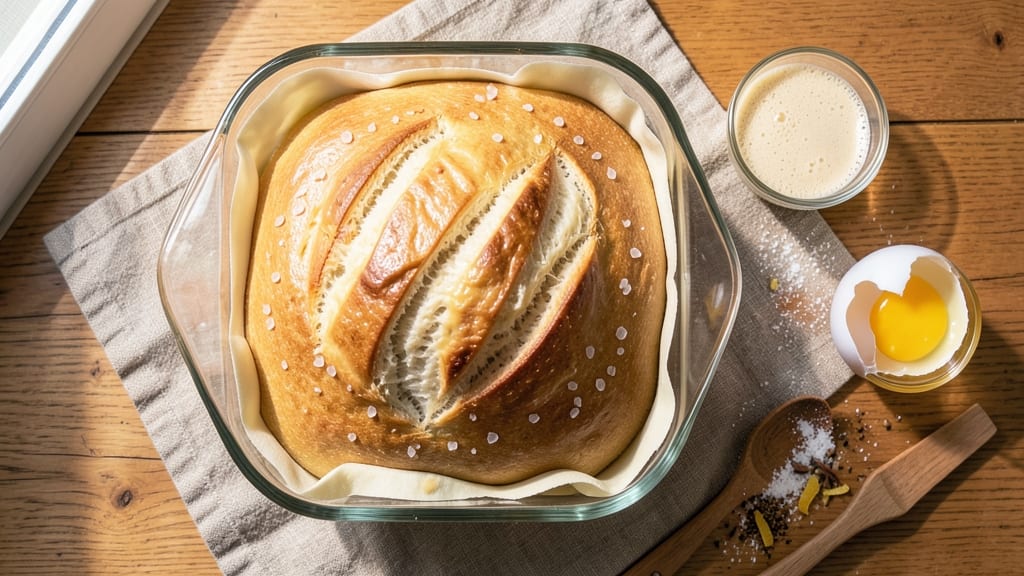
This American white bread recipe delivers the soft, pillowy loaf that defines classic American baking—no fancy techniques required. The secret lies in a simple no-knead method that develops flavor overnight while keeping the texture light and tender.
I've perfected this version to ensure every slice comes out perfectly even, with that signature soft crumb and just enough structure to hold up to sandwiches or toast.
The beauty of this recipe is its approachability—just mix, let it rise, shape, and bake. A warm oven creates steam that keeps the bread moist, while a light brushing of water before baking gives that traditional soft crust.
This isn't just bread; it's the foundation of countless meals, from classic grilled cheese to breakfast toast. The dough's gentle fermentation means no tough kneading, making it ideal for beginners or anyone short on time.
What you'll end up with is a loaf so soft it practically melts in your mouth, with a clean, mild flavor that pairs perfectly with butter or jam. The crust stays tender longer than store-bought bread, and the slices maintain their shape without becoming gummy.
This is the kind of bread that makes homemade meals feel special—simple enough for weeknights but impressive enough for company.
For even better results, try brushing the baked loaf with melted butter while still warm. The recipe scales easily, so you can make two loaves for the freezer or share with neighbors. Here's how to create the perfect classic loaf every time.
Ingredients for american white bread
Nine simple ingredients transform into America's classic soft-sliced loaf—no kneading required.
| Ingredient | Amount | Notes |
|---|---|---|
| All-Purpose Flour 🌾 | 4 cups | White flour for classic texture |
| Active Dry Yeast 🍞 | ½ tsp | Ensure yeast is fresh |
| Granulated Sugar 🍚 | ½ tsp | Enhances fermentation |
| Salt 🧂 | 1 ½ tsp | Kosher or sea salt preferred |
| Large Eggs 🥚 | 1 whole | Room temperature for best results |
| Unsalted Butter 🧈 | ½ cup | Cold, cubed for even mixing |
| Warm Water 💧 | 1 ¼ cups | 110°F for optimal yeast activation |
| Milk 🥛 | ¼ cup | Whole milk for richness |
| Cornmeal 🌽 | ½ cup | For dusting bread pan |
The flour is the foundation—King Arthur or Gold Medal brands work best for that tender crumb. Yeast must be fresh (test by dissolving in warm water—it should foam in 5-10 minutes). For the butter, Land O'Lakes unsalted is my go-to, but any brand works. The milk adds richness, but whole milk is key—skim won't give the same soft texture. If you're short on time, whole milk powder mixed with water works in a pinch, but fresh is better.
No yeast? Instant yeast can be used at the same amount. Running out of milk? Water plus 1 tbsp melted butter keeps the dough tender. For a slightly sweeter loaf, add 1 tbsp honey to the warm water. The egg should be room temperature—cold eggs can make the dough tough. If you've got extra dough, shape it into a second loaf or dinner rolls. The cornmeal isn't just for dusting—it adds a subtle sweetness to the crust.
This dough rises best in a warm spot—try the oven with the light on or a proofing box. Once baked, let the loaf cool on a wire rack for at least 1 hour to prevent gummy slices. Wrap cooled loaves in plastic and store at room temperature for 2-3 days. For longer storage, freeze the loaf wrapped in foil for up to 3 months. Reheat slices in a toaster or warm oven for that fresh-baked taste.
Why You'll Love This Recipe
- Pantry Staples Only: I swear by this recipe because it uses what’s already in my cupboard—no specialty flours or hard-to-find yeast. Just flour, sugar, yeast, salt, and eggs. That’s it. No last-minute grocery runs, no stress.
- Soft Gold Standard: There’s a reason this bread is a classic: it’s just right—not too dense, not too dry. The yeast and sugar work together to give it that signature tender crumb, while the eggs add a subtle richness. Honestly, it’s the kind of bread that makes toast taste like a victory.
- Weeknight Workhorse: Between us, this bread is my go-to for sandwiches, toast, or even garlic bread. Freeze half the batch for lazy mornings, and the rest? It’s gone in a day. I’ll be real: my kids fight over the last slice.
- Budget-Friendly Magic: A loaf costs me less than $2 to make, and it feeds my family of four for days. The yeast does most of the work, so I’m not standing over the stove for hours. That’s 10 extra minutes of my life I’ll never get back—and this bread gives it to me.
Step-by-step instructions for American white bread
This no-knead method delivers that iconic soft, pillowy texture without the fuss.
Activate the Yeast and Mix the Dough
In a small bowl, combine the 1.25 cups warm water, 0.5 tsp granulated sugar, and 0.5 tsp active dry yeast. Let this sit for 5-10 minutes until it becomes frothy and bubbly—this confirms your yeast is alive and ready to work. If it doesn't bubble, your yeast is stale and you'll need to start over.
In a large mixing bowl, whisk together the 4 cups all-purpose flour and 1.5 tsp salt. Make a well in the center and add the yeast mixture, 1 whole large egg, 0.5 cup unsalted butter (cold and cubed), and 0.25 cup milk. Using a wooden spoon or dough whisk, gently combine everything until a shaggy dough forms. The butter should be evenly distributed but still visible in chunks—this prevents overworking the dough.
Knead Briefly and Let the Dough Rest
Turn the dough onto a lightly floured surface and knead gently for 2-3 minutes until it comes together. You're not aiming for a smooth, elastic dough like sourdough—just enough to develop some structure. The dough should be slightly sticky but not wet.
Place the dough back in the mixing bowl, cover it with a damp kitchen towel, and let it rest at room temperature for 1 hour. This initial rest allows the gluten to relax slightly and the yeast to begin fermenting. You'll notice the dough puff up slightly—this is the yeast doing its job. If your kitchen is cold, place the bowl in a slightly warm spot to speed up fermentation.
Shape and Proof the Dough
After the 1-hour rest, the dough should have doubled in size. Gently deflate it by pressing down with your fingers, then shape it into a 9x5-inch loaf pan. Dust the pan with 0.5 cup cornmeal to prevent sticking and ensure a clean release. Cover the pan with the damp towel again and let it proof for another 1-1.5 hours until the dough rises 1-2 inches above the pan and feels springy when pressed lightly.
Here's the thing—don't overproof. The dough should be puffy but still have some resistance when pressed. Overproofing leads to dense bread with a gummy texture. If your kitchen is warm, reduce proofing time to 45-60 minutes to avoid overproofing. The ideal temperature for proofing is 75-80°F—if it's cooler, give it more time.
Bake for a Soft, Pillowy Crust
Preheat your oven to 375°F and place a baking sheet on the lower rack. This creates steam during baking, which gives that classic soft crust. Once the oven is preheated, bake the covered loaf for 25 minutes. Then, remove the towel and bake uncovered for another 10-15 minutes until the bread is deep golden brown and sounds hollow when tapped on the bottom.
I always check for doneness by inserting a toothpick into the center—it should come out clean with just a few crumbs. If the top browns too quickly, tent the bread with foil to prevent over-browning. The internal temperature should reach 190-200°F for perfect texture. Let the bread cool in the pan for 10 minutes before transferring to a wire rack to cool completely.
Pro Tips For Making American White Bread
- Bloom the Yeast First: DESCRIPTION:
- Measure Flour Right: DESCRIPTION:
- Knead Until Silky: DESCRIPTION:
- Proof in a Warm Spot: DESCRIPTION:
Best sauces and condiments for american white bread
Butter Basics
Nothing elevates classic white bread like a simple brush of melted butter. After baking, let the loaf cool for 10 minutes in the pan, then transfer it to a wire rack.
While still warm, brush all sides generously with ¼ cup melted unsalted butter (I use Land O'Lakes for its rich flavor). The butter enhances the crust's softness and adds a subtle richness that pairs perfectly with butter-based spreads. 🧈
Honey-Glaze Finish
For a slightly sweet twist, mix 2 tablespoons honey with 1 tablespoon warm water and brush it over the warm loaf after baking. This glaze caramelizes slightly, adding a delicate sweetness that balances the bread's mild flavor.
I love using local raw honey for extra depth—it's a game-changer for breakfast toast or sandwiches.
Garlic-Herb Oil
Infuse ½ cup olive oil with 3 minced garlic cloves, 1 teaspoon dried parsley, and ½ teaspoon dried thyme by simmering gently for 5 minutes. Strain and brush over the warm loaf for a savory, aromatic finish.
This works beautifully with grilled cheese sandwiches or as a side for soups. The herbs add freshness while the garlic gives it a subtle kick.
Everything Bagel Seasoning
Sprinkle 1 tablespoon Everything Bagel seasoning over the loaf right after baking while it's still warm. The sesame seeds, poppy seeds, and salt create a delightful crunch and flavor contrast.
I like to mix it with a light butter brush for extra texture. This variation is perfect for breakfast or as a snack with hummus.
Maple-Cinnamon Drizzle
Combine 2 tablespoons pure maple syrup with ½ teaspoon ground cinnamon and brush it over the warm loaf. The cinnamon adds warmth, while the maple syrup enhances the bread's natural sweetness.
This pairing is ideal for French toast or as a dessert bread with a dollop of whipped cream. The flavors complement each other beautifully and make every bite feel special.
Classic Garlic Butter
Mix ¼ cup softened butter with 1 minced garlic clove and a pinch of salt. Spread this mixture over the warm loaf for a savory, aromatic finish. The garlic butter adds a rich depth of flavor that's perfect for sandwiches or as a side with soups.
This classic combination is a staple in many homes and elevates the bread to restaurant-quality status.
Nutrition facts
Frequently asked questions
Why does your recipe use no-knead method?
The no-knead approach creates that signature soft, pillowy texture without overworking the gluten. This method allows the dough to develop flavor naturally through slow fermentation, resulting in a lighter crumb and easier handling. Perfect for beginners or busy bakers!
Can I substitute milk with something else?
Yes! Use 1 cup water plus 1 tablespoon melted butter as a 1:1 replacement. The milk adds richness, but this combo keeps the dough tender. For extra flavor, try buttermilk—it adds tanginess that pairs well with sandwiches.
How do I know when the dough is fully proofed?
Press gently—if it springs back slowly (1-2 seconds) and rises 1-2 inches above the pan, it's ready. Overproofing makes bread dense. In warm kitchens (80°F+), proof for 45-60 minutes; cooler kitchens may need 1.5 hours.
Why did my bread turn out dense?
Most likely overproofing or underbaking. Check your yeast (it should foam in 5-10 minutes in warm water). Also ensure your oven hits 375°F—use an oven thermometer! A baking sheet on the lower rack creates steam for a softer crust.
Can I make this in a Dutch oven?
Shape the dough into a round and bake in a preheated 375°F Dutch oven with lid for 30 minutes, then remove lid and bake 10-15 minutes** more. The steam creates a crispier crust while keeping the interior soft—great for sandwich rolls!