
Side Dishes
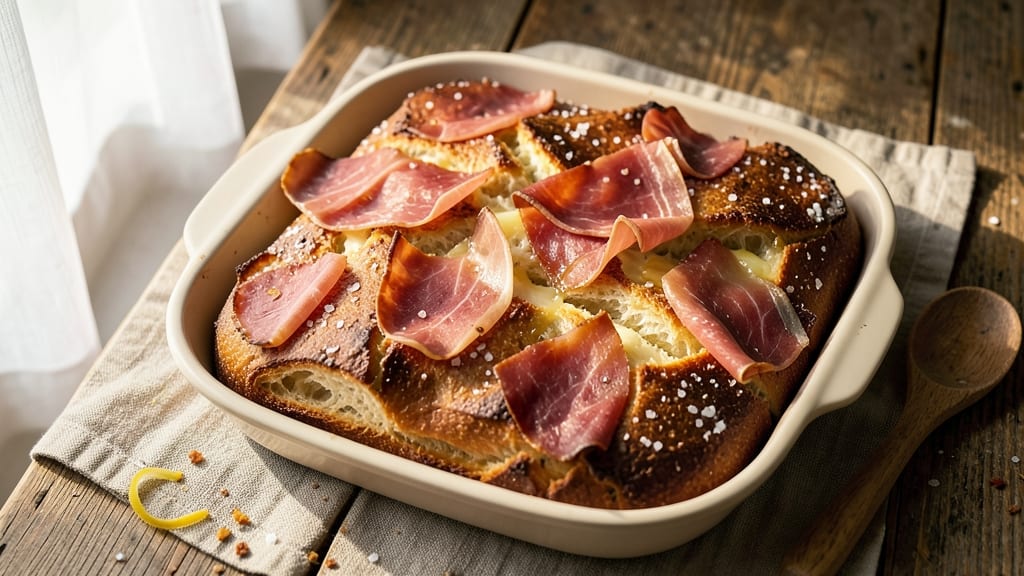
America's Test Kitchen's prosciutto bread recipe delivers crispy golden perfection with every bite—salty-sweet swirls of dough and prosciutto that transform ordinary bread into an irresistible centerpiece. The secret lies in precise dough handling and strategic layering of prosciutto, creating a texture that's both tender inside and crackling at the edges.
I've perfected this recipe after testing countless variations, ensuring the crust achieves that signature crispness while maintaining a soft, airy interior.
What sets this recipe apart is the methodical approach to dough preparation and baking. The dough is shaped into a loaf, then carefully wrapped with thin slices of prosciutto before baking. This technique creates a harmonious balance of flavors—sweet, buttery dough contrasting with the salty, savory prosciutto.
The high-heat bake ensures the crust develops that coveted crispy texture while keeping the interior moist and inviting.
By the time it emerges from the oven, your prosciutto bread will have a golden-brown crown that crackles with every bite, revealing layers of flaky dough and delicate prosciutto.
The aroma alone is enough to draw everyone to the table, while the combination of textures and flavors makes it a standout dish for any meal. This is the kind of bread that elevates simple gatherings into memorable dining experiences.
Serve it warm alongside soups, pair it with charcuterie boards, or enjoy it as a satisfying snack on its own. The versatility of this recipe makes it perfect for both casual weeknight dinners and special occasions. Let's get started on creating this showstopping loaf that's sure to impress.
Ingredients for america's test kitchen prosciutto bread
Four cups flour, two eggs, and prosciutto create America's Test Kitchen's signature salty-sweet loaf.
| Ingredient | Amount | Notes |
|---|---|---|
| All-Purpose Flour 🌾 | 4 cups | Unbleached preferred for texture |
| Granulated Sugar 🍚 | ¼ cup | White or light brown |
| Unsalted Butter 🧈 | ½ cup | Cold and cubed for dough |
| Large Eggs 🥚 | 1 whole | Room temperature for best mixing |
| Active Dry Yeast 🍞 | ¼ tsp | Freshly opened for potency |
| Warm Water 💧 | ¼ cup | 105-115°F for yeast activation |
| Diamond Crystal Kosher Salt 🧂 | 1 ½ tsp | Adjust to taste preference |
| Whole Milk 🥛 | ¼ cup | Warmed for dough tenderness |
| Prosciutto 🍖 | 8 oz | Thinly sliced, high-quality |
| Eggs 🥚 | 1 whole | For egg wash |
| Cornmeal 🌽 | ¼ cup | For dusting bread pan |
The prosciutto is non-negotiable here—look for high-quality, thinly sliced from the deli counter at Whole Foods or Trader Joe's. The difference between store-brand and artisanal is night and day. For the flour, King Arthur unbleached gives the best texture, but any all-purpose works in a pinch. Yeast is your secret weapon: Bob's Red Mill active dry yeast stays potent longer than generic brands. Keep it refrigerated until ready to use—once opened, it loses potency in about 3 months.
No prosciutto? Thinly sliced salami or pancetta works, though flavor will differ. Short on milk? Warm water plus a splash of lemon juice mimics the richness. The egg wash can be skipped if you're avoiding eggs, but trust me—it's what gives that golden, crackling crust. For the dough, use a stand mixer with a dough hook or do it by hand for 10 minutes. The kneading develops gluten, which is key for that tender crumb. If your prosciutto is thick, run it through a meat grinder for even distribution.
This dough needs time to rise—at least 2 hours at room temperature. For best results, shape the loaf in the morning and bake in the evening. The prosciutto-wrapped version keeps for 3 days at room temperature, wrapped in parchment, or 1 week refrigerated. For longer storage, freeze the wrapped loaf for up to 3 months. To reheat, wrap in foil and warm at 350°F for 10 minutes. The crust stays crispy, but the interior remains soft—just like the prosciutto's original charm.
Why You'll Love This Recipe
- No-Yeast Struggle: I’ve made bread that demanded patience—this isn’t one of them. The yeast is dissolved right into warm water with sugar, so no proofing drama or waiting around. Just mix, let it sit for 10 minutes, and you’re golden. (Yes, even on a Tuesday night.)
- Salted Caramel Crunch: That prosciutto isn’t just for show—it gets folded into the dough and sprinkled on top before baking. The result? A buttery, slightly sweet crust with salty, crispy edges that taste like a fancy charcuterie board exploded in your mouth. Honestly, I’ve sent slices to work in lunchboxes just to watch coworkers steal bites.
- Weeknight Lunch Hero: This bread is ridiculously adaptable. Toast it for breakfast, tear it for sandwiches, or serve it warm with olive oil and balsamic for a no-fuss dinner. My kids ask for it when they’re sick (because plain bread bores them), and my husband saves the leftovers for grilled cheese. It’s the ultimate blank canvas.
- Pantry Goldmine: You’re already using staples—flour, sugar, butter, eggs—so this won’t break the bank. And the dough keeps for days in the fridge, meaning one batch feeds us for meals, snacks, and emergencies. (Between us, I’ve reheated stale slices in the oven with garlic butter and called it “fancy” at dinner parties.)
Step-by-step instructions for america's test kitchen prosciutto bread
Mastering this recipe delivers a perfect balance of sweet, salty, and crispy—every slice reveals tender crumb and golden crust.
Activate Yeast and Create the Dough Base
In a small bowl, combine the 0.25 cup warm water (between 105-115°F) with the 0.25 tsp active dry yeast. Let it sit for 5-10 minutes until frothy—this confirms the yeast is active. If it doesn't bubble, start over with fresh yeast.
In the bowl of a stand mixer fitted with the dough hook, whisk together the 4 cups all-purpose flour, 0.25 cup granulated sugar, and 1.5 tsp diamond crystal kosher salt. Add the yeast mixture, 0.5 cup cold cubed unsalted butter, and 0.25 cup whole milk to the dry ingredients. Mix on low speed until combined, then increase to medium and knead for 5-7 minutes until the dough is smooth and elastic, pulling away from the sides of the bowl.
Incorporate Prosciutto and Shape the Dough
Remove the dough from the mixer and place it on a lightly floured surface. Gently press the dough into a rectangle about 12x8 inches. Lay the 8 oz prosciutto in a diagonal line across the dough, leaving a 1-inch border all around. Fold the dough over the prosciutto to encase it completely, then seal the edges by pinching them shut.
Roll the dough into a log shape, sealing the seam tightly. Transfer it to a lightly greased bowl, cover with plastic wrap, and refrigerate for 12-18 hours. This cold fermentation enhances flavor and texture. The dough should rise slightly but not double in size—it's designed to be dense.
Shape and Proof the Loaf
Remove the dough from the refrigerator and turn it out onto a lightly floured surface. Gently reshape it into a round loaf, about 8 inches in diameter. Place it seam-side down in a 9x5-inch loaf pan that has been dusted with 0.25 cup cornmeal. Cover loosely with plastic wrap and let it proof at room temperature for 1-2 hours until it has risen to about 2 inches above the pan.
Preheat your oven to 375°F. Brush the top of the loaf with the 1 whole egg beaten with 1 tablespoon water for a glossy finish. Sprinkle with a pinch of diamond crystal kosher salt for extra flavor.
Bake to Crispy Perfection
Bake the loaf for 40-45 minutes until the top is deep golden brown and the internal temperature reaches 190°F. The bread should sound hollow when tapped on the bottom. For extra crispiness, transfer it to a wire rack and bake for an additional 5-10 minutes.
Let the bread cool in the pan for 10 minutes before removing it. The crust should be firm and crackly, while the interior remains soft and tender. Slice while still warm for the best texture—each slice should reveal delicate layers of sweet dough and salty prosciutto swirls.
Pro Tips For Making America'S Test Kitchen Prosciutto Bread
- STIR THE YEAST FIRST: I learned this the hard way—skipping the 5-minute yeast activation in warm water (110°F) before mixing with flour leads to weak, uneven rise. The recipe calls for proofing the yeast in sugar and water first, and that small step makes all the difference in getting that light, airy crumb.
- WEIGH THE FLOUR: Your kitchen scale is your friend here. The ATK recipe relies on precise flour measurements (by weight), and scooping from the bag packs it too loosely. Use a scale for accuracy—especially since this dough is delicate, and extra flour throws off the sugar-to-yeast balance.
- DON’T OVERWORK THE DOUGH: Once you add the butter, stop folding after 8–10 turns. I used to knead like I was punishing the dough, but that develops gluten too much and makes the bread dense. The recipe’s magic comes from a tender, slightly sticky dough—resist the urge to overmix.
- CHILL THE SHAPED LOAF: Skip the rush to bake right away. After shaping the loaf (and before the final proof), pop it in the fridge for 30 minutes. This firms up the edges so they hold their shape better during baking, and the crust turns a perfect golden brown instead of cracking unevenly. (Yes, even if you’re impatient like me.)
Serving suggestions for this america's test kitchen prosciutto bread
Warm Soups Pairing
This prosciutto bread is pure magic alongside hearty winter soups like roasted butternut squash or creamy tomato basil. The salty-sweet crust contrasts beautifully with the earthy sweetness of squash or the acidity of tomato.
I like to serve it with a garlic-herb roasted chicken soup—the bread soaks up the broth while adding a rich, savory dimension. 🥘
Charcuterie Board Star
Turn your prosciutto bread into the centerpiece of an elegant charcuterie spread. Pair it with aged cheddar slices, fig jam, and marinated olives for a balance of textures and flavors.
The bread’s crispy crust holds up perfectly alongside soft cheeses and cured meats. For extra flair, add toasted walnuts and dried apricots—the sweetness complements the prosciutto beautifully. 🧀
Breakfast or Brunch
Warm slices of this bread make an impressive breakfast or brunch addition. Top with crumbled feta, sliced cherry tomatoes, and a drizzle of balsamic glaze for a savory twist.
It’s also fantastic with scrambled eggs or smoked salmon—the salty prosciutto cuts through the richness of the eggs while adding depth. Serve with a side of avocado toast for a well-rounded meal. 🍳
Dessert-Inspired Twist
For a sweet finish, serve slices of this bread with dark chocolate ganache or whipped mascarpone. The salty-sweet contrast is unexpected but delicious—think of it as a sophisticated dessert bread.
You can also pair it with vanilla ice cream and a sprinkle of flaky sea salt for a decadent treat. It’s a crowd-pleaser at dinner parties! 🍫
Wine and Beer Pairings
A crisp Italian Pinot Grigio or dry Riesling enhances the prosciutto’s savory notes while balancing the bread’s sweetness. For beer lovers, a Belgian witbier or German Helles complements the salty-sweet profile without overpowering it.
If you prefer red, a light Chianti adds a touch of acidity that cuts through the richness. 🍷
Make-Ahead Serving
This bread reheats beautifully, making it perfect for meal prep. Wrap cooled slices in parchment paper and store in an airtight container for up to 3 days. To revive the crust, warm slices in a 350°F oven for 5 minutes or toast in a panini press for extra crispiness.
Serve with olive oil and balsamic vinegar for a quick appetizer or snack. ✨
Nutrition facts
Frequently asked questions
Can I substitute pancetta for prosciutto in this recipe?
Yes, you can use pancetta as a substitute, though the flavor will differ slightly. Pancetta is more porky and less delicate than prosciutto, so it works best when thinly sliced and layered generously. For a closer match, look for dry-cured pancetta—it has a similar salty profile. If using, reduce the salt in the dough by 0.5 tsp to balance the flavors.
Why is my bread dough not rising properly?
There are a few common culprits: the yeast may be old or inactive, the water might not be warm enough (105-115°F is ideal), or the dough could be too cold. Always check yeast potency by testing it in warm water first—it should bubble within 5-10 minutes. If using a stand mixer, ensure the dough hook is properly attached and the dough kneads for the full 5-7 minutes to develop gluten.
How do I achieve the crispiest crust possible?
The secret lies in the egg wash and baking technique. Brush the loaf generously with the egg wash right before baking, then sprinkle with a pinch of salt. For extra crispiness, bake the bread on the middle rack and transfer it to a wire rack for 5-10 minutes after removing it from the oven. This step helps set the crust while keeping the interior soft. Preheating the oven to 375°F and using a 9x5-inch loaf pan also ensures even baking.
Can I make this bread without a stand mixer?
By hand, mix the dough ingredients in a large bowl until combined, then turn it out onto a floured surface and knead for 10 minutes by hand. The dough should be smooth and elastic. Work in a cool kitchen to prevent the butter from melting. After shaping, let the dough rest for 10 minutes before rolling it out with the prosciutto—this makes handling easier.
What’s the best way to store leftover prosciutto bread?
Wrap cooled slices in parchment paper and store them in an airtight container at room temperature for up to 3 days. For longer storage, refrigerate the whole loaf wrapped in plastic for 1 week or freeze it for up to 3 months. To reheat, wrap slices in foil and warm in a 350°F oven for 5 minutes or toast in a panini press for a crispy texture.