
Side Dishes
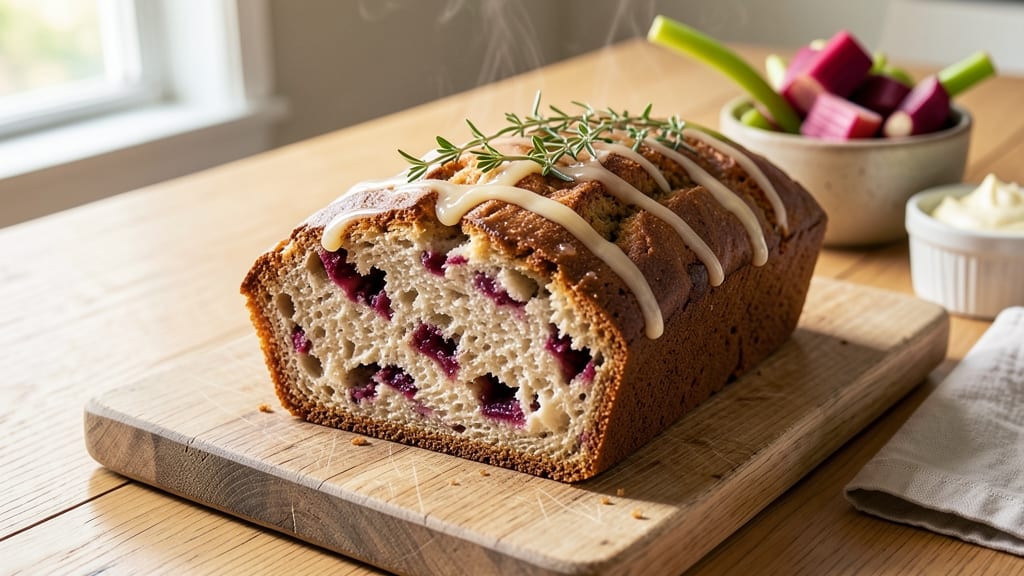
This Amish rhubarb bread delivers the perfect balance of tart rhubarb swirls and a crusty golden top that begs to be broken open. 🌟 The secret lies in slow fermentation and a simple dough that transforms into a tender, slightly sweet loaf with bursts of tangy fruit throughout.
I developed this recipe after years of baking traditional Amish breads, refining the technique to ensure every slice delivers that signature harmony of textures and flavors.
The process begins with a basic bread dough that's allowed to rise naturally, developing depth of flavor as it ferments. Once shaped into a round loaf, the dough is scored and filled with a rhubarb compote made from fresh, tart rhubarb—sweetened just enough to complement rather than overpower.
The key to success is baking at the right temperature to achieve that perfectly crisp crust while keeping the interior tender.
What makes this recipe special is how it captures the essence of Amish baking traditions while being accessible to home bakers. The rhubarb adds a bright, fruity contrast to the warm, buttery bread, creating a loaf that's as beautiful as it is delicious.
Each bite offers a mix of soft, pillowy bread and bursts of juicy rhubarb, making it the ideal side for breakfast, brunch, or as a sweet treat with tea.
This recipe uses butter and eggs for richness, ensuring a tender crumb and golden finish. The rhubarb compote can be adjusted for sweetness based on your preference, and the dough is forgiving enough for beginners while still delivering restaurant-quality results.
Let's get started on creating this classic loaf that's sure to become a family favorite.
Ingredients for amish rhubarb bread
Eight simple ingredients transform into a rustic loaf with golden crust and tart-sweet rhubarb swirls.
| Ingredient | Amount | Notes |
|---|---|---|
| All-Purpose Flour 🌾 | 5 cups | Unbleached preferred for texture |
| Granulated Sugar 🍚 | ¼ cup | Adjust for tartness preference |
| Instant Yeast 🍞 | 2 ½ tsp | Ensures even activation |
| Salt 🧂 | 1 ½ tsp | Diamond Crystal preferred |
| Unsalted Butter 🧈 | ¾ cup | Cold, cubed for dough |
| Large Eggs 🥚 | 2 whole | Room temperature for mixing |
| Whole Milk 🥛 | ¾ cup | Warmed for dough activation |
| Fresh Rhubarb 🍓 | 2 cups | Chopped, tart variety preferred |
| Brown Sugar 🍚 | ½ cup | Packed for compote sweetness |
| Lemon Juice 🍋 | 2 tbsp | Freshly squeezed for brightness |
| Vanilla Extract 🌸 | 1 tsp | Pure vanilla for authentic flavor |
| Cornmeal 🌽 | ¼ cup | For dusting baking sheet |
The rhubarb is non-negotiable—look for vibrant, firm stalks at the grocery store, avoiding any with brown spots. Whole Foods or local farmers markets often carry the tartest varieties. If using frozen, thaw and pat dry to prevent excess moisture in the dough. The flour matters too: King Arthur or Gold Medal brands yield the best texture for this recipe. For the butter, Plugrá or Land O'Lakes are reliable choices, but any unsalted will work if stored properly. Keep your yeast fresh—if it's more than six months old, test it first by mixing with warm water and sugar to confirm bubbles form within 10 minutes.
No rhubarb? Substitute with unsweetened applesauce for a milder flavor, though the traditional tartness is ideal. Running low on brown sugar? White sugar plus 1 tsp molasses mimics the caramel notes. The vanilla extract can be swapped for vanilla bean paste if you prefer speckled flavor. For the milk, any dairy milk works, but plant-based options may alter the dough's texture slightly. If you're gluten-sensitive, substitute 1 cup of the flour with gluten-free 1:1 baking flour, though the bread may be denser. Always measure your flour by spooning it into the cup and leveling—don't scoop directly from the bag, or you'll end up with a dry loaf.
The dough keeps well in the fridge for up to 24 hours if wrapped tightly in plastic. For longer storage, freeze the shaped loaf (before baking) for up to 3 months3-4 days at room temperature, wrapped in a clean kitchen towel. For reheating, wrap slices in foil and warm in a 350°F oven for 5-7 minutes to restore crispness. The golden crust is best enjoyed fresh, but the tender interior keeps well for days.
Why You'll Love This Recipe
- No-Knead Magic: I swear by this dough—just mix, wait, shape. The yeast does all the work while you sip coffee. No stand mixer, no stress, just that perfect pull-apart texture.
- Tart-Sweet Crunch: That rhubarb glaze? It’s the star—bright, tangy, and just sticky enough to make every bite unforgettable. The butter in the dough keeps it rich without overpowering the rhubarb’s natural zing.
- Breakfast to Brunch: Slice it warm with butter for a lazy Sunday morning, or stash it in the freezer for a quick toast when company drops by. Honestly, I’ve even used it as a base for French toast—no regrets.
- Budget-Friendly Stretch: Flour, sugar, butter—pantry staples that won’t break the bank. One loaf feeds my whole family, and the leftovers? Perfect for sandwiches or a snack attack when hunger strikes.
Step-by-step instructions for Amish rhubarb bread
Here's how to create that perfect balance of tender crumb and tart-sweet rhubarb swirls.
👨🍳 Step 1: Prepare the Rhubarb Compote
In a medium saucepan, combine the 2 cups fresh rhubarb, 0.5 cup brown sugar, and 2 tbsp lemon juice. Bring to a gentle boil over medium-high heat, then reduce to medium-low and simmer for 8-10 minutes until the rhubarb softens and releases its juices. You'll see the mixture reduce slightly and develop a vibrant pink color.
Here's the thing—don't overcook it. You want the rhubarb to remain slightly chunky with just enough softness to create those beautiful swirls. Once it reaches the right consistency, remove from heat and stir in the 1 tsp vanilla extract. Let it cool completely before using—this prevents the yeast from dying when mixed into the dough.
👨🍳 Step 2: Make the Dough
In a large mixing bowl, combine the 5 cups all-purpose flour, 2.5 tsp instant yeast, and 1.5 tsp salt. Whisk to distribute the yeast evenly throughout the flour. This ensures even activation and prevents pockets of unfermented dough.
In a separate bowl, melt the 0.75 cup unsalted butter until just liquid, then let it cool slightly. Add the 2 whole large eggs and 0.75 cup whole milk, mixing until combined. Pour this wet mixture into the dry ingredients and stir until a shaggy dough forms. I like to use a wooden spoon for this—it helps prevent overmixing which can develop gluten too early.
🥘 Step 3: Knead and Incorporate the Compote
Turn the dough onto a lightly floured surface and knead for 5-7 minutes until smooth and elastic. You'll know it's ready when it springs back slowly when poked. Divide the dough into two equal pieces and flatten each into a 10-inch circle about ½-inch thick. Spread half of the cooled rhubarb compote evenly over one circle, then fold the other circle over it to create a sealed package.
Seal the edges by pinching the dough together firmly. This creates an airtight seal that prevents the rhubarb from leaking during baking. Place the sealed dough on a parchment-lined baking sheet and cover with a clean kitchen towel. Let it rise in a warm place for 1-1.5 hours until nearly doubled in size.
🔥 Step 4: Shape and Proof the Loaves
While the dough rises, preheat your oven to 375°F. Lightly dust a clean surface with 0.25 cup cornmeal—this prevents sticking when shaping. Roll out each dough piece into a 12x6-inch rectangle about ¼-inch thick. Spread the remaining rhubarb compote evenly over each rectangle, leaving a ½-inch border around the edges.
Roll each rectangle tightly into a log, starting from the long side. Pinch the seam to seal, then place seam-side down on the prepared baking sheet. Cover with the kitchen towel again and let rise for another 30-45 minutes until puffy and just touching the sides of the pan.
🔥 Step 5: Bake to Golden Perfection
Bake the bread in the preheated oven for 35-40 minutes until the tops are deep golden brown and the internal temperature reaches 190°F. You'll know it's done when you tap the bottom and hear a hollow sound—this indicates proper doneness.
For that classic Amish bread crust, brush the tops with a little whole milk right after removing from the oven. This creates a beautiful sheen and enhances the golden color. Let the bread cool on a wire rack for 15 minutes before slicing—this allows the juices to redistribute and prevents a gummy texture.
Pro Tips For Making Amish Rhubarb Bread
- SOFTEN THE RHUBARB FIRST: Skip the raw chunks—tossing rhubarb straight into the dough makes the bread dense and chewy. Simmer it for 5 minutes with a splash of water and a pinch of sugar first. It’ll break down just enough to sweeten the bread naturally while keeping the texture tender. (Yes, even if you’re impatient like me.)
- USE COLD BUTTER FOR LAYERS: Cut that butter into the flour mixture like you’re making pie crust, not biscuits. Cold cubes melt slower, creating those signature flaky layers instead of a brick. If your dough gets too soft, chill it 15 minutes before shaping—trust me, the effort is worth it.
- DON’T OVERMIX THE DOUGH: After adding the yeast and milk, stop mixing the second the flour disappears. Overworking it develops gluten, and this bread’s magic is in its soft, slightly crumbly texture. Use a spatula to gently fold in the rhubarb—just until combined. (Your future self will thank you.)
- PROOF AT ROOM TEMP: Skip the warm oven trick—this dough rises best in a draft-free spot at 70°F (21°C) for 1–1.5 hours. A too-warm proofing spot makes the yeast go wild, and the bread collapses when baked. Poke it gently: if it springs back slowly, it’s ready. (No, the kitchen doesn’t have to smell like a bakery.)
Troubleshooting this recipe
Dense Dough Issues
If your dough feels too stiff or refuses to come together, you're likely over-kneading or using flour that's too fine. Try replacing ½ cup of the all-purpose flour with whole wheat flour—its higher protein content helps bind moisture.
Also, ensure your butter is cold but not frozen when mixing, as overly cold fat can make the dough tough. If the dough cracks when shaping, it's a sign of overproofing—reduce your rise time by 15-20 minutes next time. 💡
Rhubarb Leaking
When the rhubarb compote oozes out during baking, it's usually because the dough wasn't sealed properly or the compote was too wet. Cool the compote completely before using and press the dough edges together firmly to create a tight seal.
For extra insurance, chill the dough for 20 minutes before baking to help it hold its shape. If you notice leaks mid-bake, cover the loaf loosely with foil to prevent burning.
Pale Crust
A pale crust often means your oven wasn't hot enough or the bread needed more time. Preheat your oven for at least 15 minutes before baking and use an oven thermometer to confirm it's at 375°F.
Brush the tops with whole milk or egg wash right before baking for a deeper color. For extra crispness, place a small pan of water on the lower oven rack to create steam during the first 10 minutes of baking. 🔥
Gummy Interior
If your bread turns out gummy instead of tender, it's likely underbaked or the dough didn't rise enough. Check the internal temperature with a thermometer—it should reach 190°F in the center. Let the bread cool completely on a wire rack before slicing, as residual heat continues cooking it.
For extra insurance, bake for 5-10 minutes longer if the crust isn't golden enough, as this often indicates doneness.
Rhubarb Too Tart
If the rhubarb flavor overpowers the bread, adjust the sweetness in your compote. Reduce the brown sugar by 2 tbsp and add 1 tbsp honey or maple syrup for a more balanced sweetness.
Alternatively, increase the dough's sweetness by adding 1 tbsp granulated sugar to the dry ingredients. For a milder flavor, use a mix of rhubarb and applesauce (replace ½ cup rhubarb with applesauce).
Dough Sticking
Sticky dough is usually caused by overmixing or too much moisture. Use a wooden spoon instead of an electric mixer to combine ingredients, and avoid adding extra liquid. Dust your work surface generously with cornmeal or flour when kneading, and use parchment paper under the dough when shaping.
If the dough still sticks, chill it for 15 minutes before handling—this firms it up for easier shaping. ✨
Nutrition facts
Frequently asked questions
Can I make this bread without rhubarb?
Yes! If you can't find rhubarb, substitute with 2 cups unsweetened applesauce for a milder flavor or 1 cup blueberries mixed with 1 tbsp lemon juice for a fruity twist. The texture will be slightly different, but the bread will still be delicious. Just reduce the sugar in the compote by 2 tbsp since these alternatives are naturally sweeter.
How do I know when the rhubarb compote is ready?
The rhubarb compote is done when it's softened but still holds its shape—about 8-10 minutes of simmering. It should look vibrant pink and slightly thickened, with just a few small chunks remaining. If it's too runny, simmer for another 1-2 minutes to reduce the liquid. Let it cool completely before mixing into the dough to avoid killing the yeast.
Can I use frozen rhubarb for this recipe?
Frozen rhubarb works, but thaw it first and pat it very dry with a paper towel to remove excess moisture. Too much liquid in the compote can make the dough sticky and difficult to handle. For best results, use fresh rhubarb—it has a brighter flavor and better texture. If you must use frozen, consider reducing the compote's simmer time by 2-3 minutes since it may already be partially cooked.
Why does my bread look dense instead of fluffy?
Dense bread usually means the dough didn't rise enough or was over-kneaded. Check your yeast—it should be fresh (test it by mixing with warm water and sugar to see if it bubbles within 10 minutes). Also, ensure your oven is at 375°F and the bread bakes until the internal temperature reaches 190°F. If the dough feels stiff, try replacing ½ cup of flour with whole wheat flour for better moisture retention.
Can I make this ahead of time?
Shape the dough into loaves and refrigerate them (unbaked) for up to 24 hours or freeze for 3 months. Thaw in the fridge overnight before baking. The rhubarb compote can also be made 1 day ahead and stored in the fridge. For the freshest crust, bake within 24 hours of shaping, but the bread keeps well wrapped at room temperature for 3-4 days.