
Side Dishes
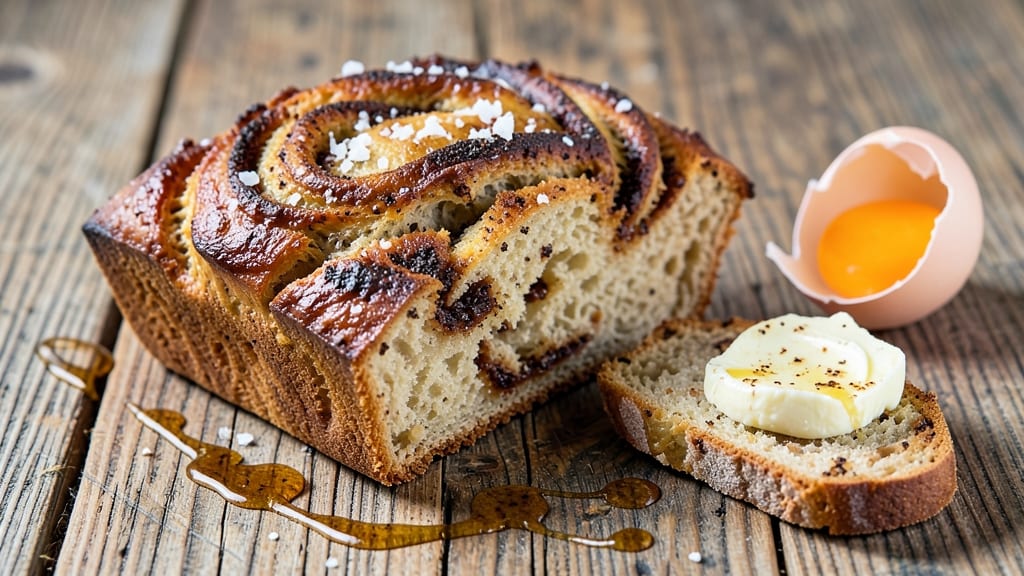
This Amish sourdough cinnamon bread recipe delivers the warm, spiced swirls and golden crust that make it a homestyle favorite. 💛 The secret lies in a well-maintained sourdough starter and a slow fermentation that develops deep flavor while keeping the texture tender yet sturdy.
I've perfected this recipe after years of baking in traditional Dutch ovens, where the steam creates that signature crackly crust. What sets this bread apart is the balance of sweet cinnamon filling and tangy sourdough—no refined sugar required.
The dough gets its signature texture from a gentle kneading process and proper proofing times, which transform simple ingredients into something extraordinary. Every slice reveals those beautiful cinnamon swirls, still warm from the oven.
The result is bread with a crisp, golden exterior and a soft, slightly chewy interior, infused with warm cinnamon notes. It's the kind of bread that disappears from the table faster than you can say "Dutch oven," leaving only crumbs behind.
Perfect for breakfast, dessert, or as a comforting side dish, this recipe brings Amish baking traditions into your kitchen. For best results, maintain your sourdough starter regularly and follow the proofing times precisely.
The slow rise is what creates that authentic Amish flavor profile—worth the wait for a loaf that tastes like home. Let's get started!
Ingredients for amish sourdough cinnamon bread
Eight simple ingredients transform into golden, cinnamon-swirled sourdough perfection.
| Ingredient | Amount | Notes |
|---|---|---|
| Active Sourdough Starter 🍞 | 1 cup | Unfed, room temperature |
| All-Purpose Flour 🌾 | 4 cups | White or bread flour preferred |
| Granulated Sugar 🍚 | ½ cup | Light brown sugar works too |
| Unsalted Butter 🧈 | ½ cup | Softened, full-fat preferred |
| Large Eggs 🥚 | 2 whole | Room temperature for best mixing |
| Milk 🥛 | ½ cup | Whole milk for richness |
| Ground Cinnamon 🌿 | 2 tbsp | Freshly ground for best flavor |
| Salt 🧂 | 1 tsp | Kosher or sea salt |
| Vanilla Extract 🍯 | 1 tsp | Pure vanilla preferred |
| All-Purpose Flour (for filling) 🌾 | ½ cup | Same as dough flour |
| Granulated Sugar (for filling) 🍚 | ¼ cup | Same as dough sugar |
| Ground Cinnamon (for filling) 🌿 | 1 tbsp | Same as dough cinnamon |
| Cornmeal 🌽 | ¼ cup | For dusting Dutch oven |
The sourdough starter is your secret weapon—it's what gives this bread that authentic tang. King Arthur or Bob's Red Mill flours work best for the dough, but any all-purpose will do in a pinch. For the butter, Land O'Lakes or Plugrá are my go-tos—they're reliable and rich. The cinnamon matters too; Penzeys or McCormick have the best ground varieties. If you're using a Dutch oven, Le Creuset or Lodge are the gold standard, but any heavy oven-safe pot will work. Keep your starter fed and happy—it should smell tangy and look bubbly before using.
No vanilla extract? Vanilla bean paste or even a pinch of vanilla sugar works in a bind. Short on butter? Coconut oil or extra milk can stretch it, but the texture might be slightly less tender. For the filling, you can swap brown sugar for white if that's what you've got—just know the flavor will be a touch less caramelized. The dough needs to be cool before rolling out the filling, or it'll get too sticky. If your kitchen's warm, chill it for 15 minutes first. And trust me, don't skip the cornmeal—it keeps the bread from sticking like glue.
This dough keeps beautifully—cover it and refrigerate for up to 24 hours if you need to slow down the process. Once baked, it's best served warm, but slices well for 3-4 days at room temperature. For leftovers, wrap tightly in foil and reheat in a 350°F oven for 10 minutes. The filling stays gooey for days, so it's perfect for making sandwiches or French toast. Freeze slices for up to 3 months—just wrap them individually so they don't stick together.
Why You'll Love This Recipe
- No-Knead Magic: The sourdough starter does all the heavy lifting—just mix, rest, and bake. Honestly, I’ve made this while scrolling through my phone; the dough’s tangy richness builds overnight, so you’re not stuck shaping it when you’re exhausted.
- Buttery Cinnamon Bliss: That swirl of softened butter and brown sugar in the dough? It’s like a warm hug for your taste buds. The crust gets just crisp enough to hold toasted butter, while the inside stays soft—no dry, sad bread here.
- Breakfast to Dessert: Slice it thick for French toast, toast it for a quick breakfast, or serve it warm with ice cream. Between us, I’ve even used the leftover dough to make cinnamon rolls when I ran out of yeast—because this recipe’s that versatile.
- Budget-Friendly Staple: Uses pantry basics (flour, sugar, butter) and stretches for days. My freezer’s always stocked with slices—perfect for lazy mornings or when company drops by unexpectedly. Plus, the starter keeps forever, so you’re always ready.
Step-by-step instructions for Amish sourdough cinnamon bread
This recipe delivers that iconic Amish cinnamon bread with a golden crust and gooey swirls—no shortcuts, just homestyle perfection.
👨🍳 Step 1: Mix the Sourdough Dough
In a large mixing bowl, combine the 1 cup active sourdough starter, 4 cups all-purpose flour, 0.5 cup granulated sugar, and 1 tsp salt. Mix until just combined—you'll see a shaggy dough form with some flour still visible. This isn't about smoothness yet, just getting everything incorporated.
Next, add the 2 whole large eggs, 0.5 cup milk, 0.5 cup softened unsalted butter, and 1 tsp vanilla extract. Mix on low speed until the dough comes together, about 2-3 minutes. The dough should be soft but not sticky—if it's too wet, add 1 tablespoon flour at a time until it pulls away from the bowl. Here's the thing—this dough needs to be just right. Too sticky and it won't hold its shape when rolled out; too dry and it'll be dense.
🥘 Step 2: Prepare the Cinnamon Filling
In a small bowl, whisk together the 0.5 cup all-purpose flour (for filling), 0.25 cup granulated sugar (for filling), and 1 tbsp ground cinnamon (for filling) until completely combined. This mixture should be fine and uniform—no lumps. If you see any, rub it between your fingers to break them up. The filling needs to be smooth so it distributes evenly when you roll it up.
Set this aside while you shape the dough. I like to press the filling mixture through a fine-mesh sieve into a small pile—this ensures it's ready to spread without clumping when you're ready to roll. The aroma of cinnamon will fill your kitchen, and that's a good sign you're on the right track.
🍳 Step 3: Roll and Swirl the Dough
Lightly flour a clean surface and turn out the dough. Gently pat it into a 12x10-inch rectangle, about ½-inch thick. Here's where it gets fun—sprinkle the cinnamon filling evenly over the dough, leaving a ½-inch border around the edges. This border prevents the filling from oozing out during baking.
Starting from the long side, tightly roll the dough into a log, pinching the seam to seal. You want a compact roll—if it feels too loose, gently press down on it. Real talk: don't worry if it's not perfect. The bread will still taste amazing even if it's not perfectly symmetrical. Once rolled, place the log seam-side down in a greased 9x5-inch loaf pan.
🔥 Step 4: Bake to Golden Perfection
Preheat your oven to 350°F. While it heats, dust a 9x5-inch Dutch oven with 0.25 cup cornmeal—this prevents sticking and adds a nice texture. Carefully transfer the dough log to the prepared Dutch oven, seam-side up. The cornmeal will give the bread that classic crumbly bottom crust you love in Amish bread.
Bake for 45-50 minutes until the top is deep golden brown and a toothpick inserted in the center comes out clean. The bread is done when it pulls away from the sides of the Dutch oven with just a gentle nudge. If the top browns too quickly, tent it loosely with foil after 30 minutes to prevent over-browning while it finishes baking.
⏰ Step 5: Cool and Slice
Remove the bread from the oven and let it cool in the Dutch oven for 10 minutes. Then transfer it to a wire rack to cool completely. This resting time is crucial—it allows the bread to set and prevents it from falling apart when you slice it. I know it's tempting to dig in right away, but patience here makes all the difference.
Once fully cooled, slice into ½-inch thick pieces. Each slice should reveal those beautiful swirls of cinnamon filling, with a tender crumb and that perfect golden crust. Serve warm with butter or jam for the ultimate homestyle treat.
Pro Tips For Making Amish Sourdough Cinnamon Bread
- Weigh Your Starter: Skip the eyeballing—use a kitchen scale for your sourdough starter. I learned this the hard way when my bread turned dense because I guessed the starter weight. For this recipe, aim for 100g of active starter (bubbly, float-tested) to guarantee the right rise and flavor balance.
- Brown the Butter: Don’t just melt the butter—brown it until it smells nutty and deepens in color. That extra step adds a caramelized richness to the cinnamon swirl that store-bought butter can’t match. Just watch it closely; it happens fast.
- Chill the Dough: Let the dough rest overnight in the fridge—yes, even if you’re eager to bake. Cold fermentation slows yeast activity, letting flavors meld and gluten relax. Pull it out 1–2 hours before baking to let it warm up and rise slightly in the pan.
- Swirl Before Baking: Don’t cut the cinnamon-sugar into the dough—spread it on top after shaping. Press it in lightly with your fingers, then swirl with a knife after the first 15 minutes in the oven. The heat helps the filling melt into the bread instead of sinking to the bottom.
Wine and beer pairings for this recipe
Sweet Spiced Wines
Amish sourdough cinnamon bread pairs beautifully with apple cider or mulled wine—both complement the warm cinnamon notes while balancing the tangy sourdough. A dry Riesling from Germany or a Vidal Blanc from Canada adds crisp acidity that cuts through the richness.
For a festive touch, try a spiced Chardonnay with hints of vanilla and nutmeg. 🍷
Creamy Beer Pairings
Cream ales like Leinenkugels Original or Fat Tire Amber Ale work wonders—their malty sweetness and slight caramel notes harmonize with the cinnamon swirls. A Belgian-style witbier with its citrusy coriander adds a refreshing contrast to the bread's warmth.
For something heartier, try a brown ale like Samuel Smith's Nut Brown Ale to match the bread's rustic charm. 🍺
Coffee & Tea Complements
Black coffee with a splash of vanilla syrup enhances the cinnamon flavors without overpowering them. A chai latte made with steamed whole milk and cardamom-spiced chai concentrate mirrors the bread's warm spices beautifully. For tea lovers, Earl Grey with its bergamot notes adds a sophisticated twist. 💛
Breakfast Pairings
Serve warm slices with scrambled eggs and crispy bacon for a hearty morning meal. The bread's sweetness balances the saltiness perfectly. For a lighter option, pair it with Greek yogurt and honey—the tangy yogurt complements the sourdough's tang.
A peanut butter and banana sandwich on this bread is a nostalgic favorite that brings out the cinnamon's natural sweetness. 🥞
Dessert Pairings
Finish your meal with a scoop of vanilla bean ice cream or caramelized apple compote to let the cinnamon swirls shine. A dollop of whipped cream and a sprinkle of ground cinnamon adds a restaurant-quality touch.
For something unexpected, try pairing it with dark chocolate—the bitterness contrasts beautifully with the bread's warmth. 🍫
Nutrition facts
Frequently asked questions
Can I substitute the sourdough starter with commercial yeast?
You can try, but the flavor won't be the same. For a yeast version, use 2 ¼ teaspoons active dry yeast dissolved in ½ cup warm milk (110°F) instead of the starter. Let it sit for 5 minutes until foamy before mixing with other ingredients. The bread will be lighter but lack the deep tangy complexity of sourdough.
How do I know if my sourdough starter is ready to use?
Your starter should be bubbly and domed on top with a slightly tangy aroma—like yogurt or vinegar. It should also double in size within 4-6 hours after feeding. If it smells like alcohol or has a grayish tint, it's overripe and needs to be refreshed with more flour and water.
What if my cinnamon filling leaks out during baking? This happens when the filling isn't properly sealed or the dough is too loose. To fix it,
Can I make this bread without a Dutch oven?
Yes! Use a 9x5-inch loaf pan lined with parchment paper for easy removal. For extra crispiness, place the pan on a baking sheet and pour hot water into the sheet during the first 20 minutes of baking to create steam. The crust won't be as crackly, but the bread will still be delicious.
How do I store leftovers to keep them fresh?
Wrap slices tightly in plastic wrap or aluminum foil, or store the whole loaf in an airtight container at room temperature for 3-4 days. For longer storage, freeze slices individually for up to 3 months. To reheat, wrap frozen slices in foil and bake at 350°F for 10-12 minutes until warm.