
Main Courses
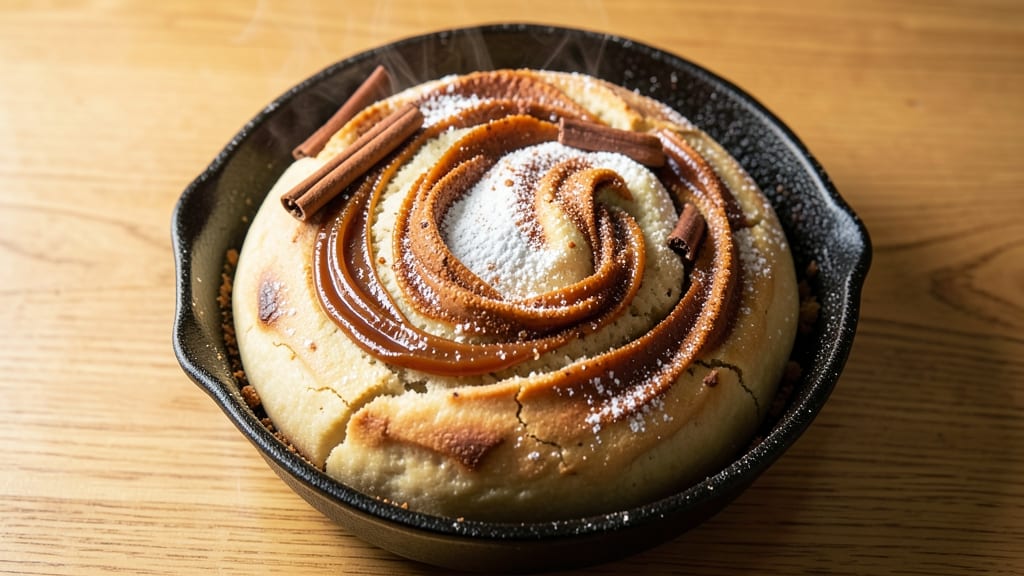
This Amish cinnamon bread recipe with yeast delivers the perfect balance of crispy, nutty crust and tender, sweet interior that begs to be pulled apart. The slow-fermented yeast dough develops deep, caramelized flavors while maintaining that signature pull-apart texture that makes it irresistible.
I've perfected this recipe through years of baking, ensuring every slice delivers that satisfying combination of warmth and sweetness.
What sets this recipe apart is the traditional approach to yeast handling and dough development. Unlike quick breads, this version relies on a slow fermentation process that enhances flavor and creates that signature crust.
The dough is enriched with butter and milk for richness, while the cinnamon-sugar swirl adds just the right amount of sweetness without overpowering the bread's natural flavor profile.
By the time you pull this bread from the oven, you'll have golden-brown loaves with a crisp exterior that gives way to tender, moist crumb inside. The aroma alone will have everyone gathering around the table, and each pull-apart bite reveals that perfect balance of sweetness and nutty crust.
This is the kind of bread that disappears quickly—so be prepared to make another batch.
The beauty of this recipe lies in its versatility. While the classic version is delicious on its own, you can easily customize it by adding nuts, raisins, or even a touch of spice.
Perfect for breakfast, brunch, or even as a dessert with a pat of butter, this bread is sure to become a staple in your kitchen. Let's get started on creating your own loaf of this beloved classic.
Ingredients for amish cinnamon bread recipe with yeast
Sixteen ingredients for a bread that tastes like nostalgia in every pull-apart bite.
| Ingredient | Amount | Notes |
|---|---|---|
| All-Purpose Flour 🌾 | 6 cups | High-protein preferred for chewiness |
| Granulated Sugar 🍚 | ½ cup | White or light brown sugar |
| Active Dry Yeast 🍞 | 2 ¼ tsp | Ensure yeast is fresh |
| Unsalted Butter 🧈 | ½ cup | Cold, cubed for dough |
| Whole Milk 🥛 | 1 cup | Warmed to room temperature |
| Large Egg 🥚 | 1 whole | Room temperature |
| Ground Cinnamon 🌿 | 2 tbsp | Freshly ground for best flavor |
| Granulated Sugar 🍚 | ¾ cup | For cinnamon swirl |
| Salt 🧂 | 1 ½ tsp | Diamond Crystal preferred |
| Pure Vanilla Extract 🍯 | 1 tsp | High-quality preferred |
| Coarse Sugar 🍚 | ¼ cup | For topping (turbinado or raw) |
| Heavy Cream 🥛 | ¼ cup | For brushing crust |
The flour is your foundation—King Arthur or White Lily make all the difference here. I always grab the high-protein kind (11-12% protein) for that signature chew. Costco sells it in bulk, but any grocery store carries it. The yeast? Freshness matters—check the date and store it in the freezer after opening. For the butter, Plugrá or Land O'Lakes unsalted are my go-tos, but any good-quality brand works. Warm the milk to about 100°F—yeast loves it, but don't boil it or you'll kill the bubbles.
No vanilla extract? Vanilla bean paste works too, but you'll need about half the amount. Running low on cinnamon? Cassia is a solid swap—just double the amount. The coarse sugar topping? Trader Joe's turbinado is perfect, but raw sugar in a pinch works too. For the cinnamon-sugar swirl, mix the cinnamon and sugar in a small bowl—don't skip this step. It's what makes this bread sing. And if you're worried about the dough being too sticky, add 1-2 tbsp more flour as you mix.
This dough needs time—at least 4 hours for the slow ferment, but overnight is ideal. Store it in the fridge in a sealed container for up to 24 hours before baking. The baked loaves keep well at room temperature for 3 days in a bread box, or you can freeze slices for 3 months. Pro tip: Brush with melted butter while warm for extra richness. Leftovers? Toast them—nothing beats cinnamon bread toast with a pat of butter.
Why You'll Love This Recipe
- No-Knead Magic: I swear by this—just mix the dough, let it rise overnight, and bake. The yeast does all the work while you sleep, and that warm, spiced aroma wakes you up ready to eat. No standing at the counter, no overworked arms.
- Warm Spice Hug: The butter and milk make it rich, but it’s the cinnamon-sugar swirl that steals the show—soft, gooey pockets of sweetness in every bite. Honestly, I’ve caught myself sneaking slices straight from the pan, crust still crackly.
- Breakfast or Snack Star: This bread is my go-to for lazy mornings (toasted with jam) or after-school treats (cut into squares for kids). Freeze half the batch—thaw slices in the toaster, and you’ve got a quick, satisfying bite anytime.
- Budget-Friendly Staple: Flour, sugar, butter—these are pantry basics that stretch far. One loaf feeds my family for days, and the leftovers? Perfect for French toast or bread pudding. Between us, it’s the kind of recipe that makes grocery day feel like a win.
Step-by-step instructions for Amish cinnamon bread
This slow-fermented bread delivers a nutty, buttery crust and gooey cinnamon swirl that'll make your kitchen smell like heaven.
Mix the Dough and Let It Rise Overnight
In a large bowl, whisk together the 6 cups all-purpose flour, 1.5 tsp salt, and 2.25 tsp active dry yeast. Make a well in the center and add the 0.5 cup granulated sugar, 0.5 cup cold unsalted butter (cut into small cubes), 1 cup warmed whole milk, and 1 whole large egg. Mix with a wooden spoon until a shaggy dough forms, then turn it out onto a lightly floured surface.
Knead the dough for 8-10 minutes until smooth and elastic. It should spring back when pressed. Place the dough in a lightly greased bowl, cover with a damp towel, and let it rise at room temperature for 1 hour. Then, transfer it to the refrigerator and let it ferment slowly overnight (or at least 8 hours). This cold fermentation develops deep flavor and a tender crumb—don't skip it!
Prepare the Cinnamon Swirl and Shape the Loaf
In a small bowl, mix together 2 tbsp ground cinnamon, 0.75 cup granulated sugar, and 1 tsp pure vanilla extract to make the filling. On a lightly floured surface, roll out the chilled dough into a 12x16-inch rectangle (about ¼-inch thick). Spread the cinnamon mixture evenly over the dough, leaving a 1-inch border around the edges.
Starting from the long side, tightly roll the dough into a log, sealing the seam. Place the log seam-side down in a 9x5-inch loaf pan that's been lightly greased. Cover with a damp towel and let it rise at room temperature for 1-2 hours, or until the dough has puffed 1-2 inches above the pan. This ensures a tall, fluffy loaf with a perfect rise.
Bake to Golden Perfection
Preheat your oven to 350°F. Brush the top of the dough with 0.25 cup heavy cream and sprinkle evenly with 0.25 cup coarse sugar. Bake for 45-50 minutes until the bread is deep golden brown and the internal temperature reaches 190°F (use an instant-read thermometer). The edges should pull away from the pan slightly, and it should smell irresistibly sweet and spiced.
Remove the bread from the oven and let it cool in the pan for 10 minutes. Then, transfer it to a wire rack to cool completely. The crust will firm up as it cools, but the inside will remain tender and fragrant. Slice while still warm for the best texture—each bite should be buttery, cinnamon-kissed, and perfectly balanced with a hint of vanilla.
Serve and Enjoy (The Best Part!)
Once fully cooled, slice the bread into ½-inch thick pieces. The swirl should be visible through the crust, and the aroma of cinnamon will fill your kitchen. Serve warm with a pat of butter or a drizzle of honey for the ultimate comfort experience. This bread keeps well at room temperature for 3-4 days, wrapped tightly in plastic, or freeze slices for up to 3 months—perfect for quick breakfasts or snacks.
Pro tip: If you want extra crispiness, broil the bread for 1-2 minutes at the end of baking. Just watch it closely—you want a golden glow, not burnt edges. The contrast of the crispy crust and soft, gooey center is what makes this bread legendary!
Pro Tips For Making Amish Cinnamon Bread Recipe With Yeast
- Bloom the Yeast First: Skip mixing yeast into dry flour—it’ll wake up slower. Instead, dissolve it in warm (not hot) milk with a pinch of sugar first, then let it sit for 5-10 minutes until frothy. I learned this the hard way when my bread took three hours to rise because the yeast was sluggish.
- Use Cold Butter: Cut that unsalted butter into tiny cubes and toss it straight into the dough—no melting. The cold butter creates flaky layers when the bread bakes, and it won’t make your dough greasy like warm butter will. (Yes, even if you’re impatient like me.)
- Don’t Overmix the Dough: Once you add the flour, stop folding after 2-3 minutes—just until it comes together. Overworking it develops gluten, and your bread will turn out dense instead of light and pillowy. I used to knead until my arm gave out. (Your future self will thank you.)
- Steam the Pan: Before baking, add a baking sheet to the oven rack below your bread pan, then pour ¼ cup hot water into it. The steam keeps the top from drying out too fast—critical for that classic Amish cinnamon bread chew. (Does it look weird? Yes. Does it work? Every single time.)
Troubleshooting this dish
Dough Too Sticky?
If your dough feels too wet to handle, don't panic—this is common with enriched doughs. Gradually add 1-2 tablespoons of flour at a time while kneading until the dough becomes smooth but still slightly tacky.
Overworking it can develop gluten too much, so stop when it springs back when pressed. I've found that King Arthur high-protein flour absorbs moisture better than all-purpose, so it might need less extra flour. 💫
Yeast Not Activating?
If your yeast doesn't foam within 5-10 minutes after mixing with warm milk, it's likely dead. Always test your yeast first by mixing 2.25 tsp yeast with ¼ cup warm milk and 1 tsp sugar—it should bubble vigorously in 5 minutes.
Store-bought yeast loses potency quickly, so buy small packages or freeze your yeast in the original container for up to 2 months. I keep mine in the freezer now to ensure freshness.
Uneven Rise or Flat Loaf?
An uneven rise usually means the dough didn't proof long enough or the oven wasn't hot enough. After shaping, let the dough rise until it puffs 1-2 inches above the pan—this takes 1-2 hours at room temperature.
Preheat your oven to 350°F for at least 20 minutes before baking. If your kitchen is cold, place the pan in a 275°F oven for 15 minutes before increasing to 350°F to ensure even heating.
Cinnamon Swirl Not Visible?
The swirl should peek through the crust when baked properly. If yours disappears, your cinnamon mixture might be too thick or the dough too thick when rolling. Spread the filling in an even layer and roll the dough to ¼-inch thickness for best results.
For extra drama, sprinkle ½ cup extra coarse sugar on top before baking—this caramelizes beautifully and makes the swirl more visible. 🌟
Bread Too Dense?
Dense bread often means the yeast didn't activate properly or the dough didn't rise enough. Double-check your yeast is fresh, and ensure your milk is 100-110°F—not too hot or cold. Also, don't skip the overnight cold ferment! This slow rise develops gluten properly.
If your kitchen is warm, extend the cold proof to 12-24 hours for better texture. I've found that Lodge cast iron pans help create a crispier crust that contrasts nicely with the tender interior.
Burnt Top or Edges?
If the top browns too quickly, cover the loaf with aluminum foil during the last 15 minutes of baking. For uneven edges, rotate the pan halfway through baking. If you prefer extra crispiness, broil for 1-2 minutes at the end—but watch closely!
A thermometer helps: pull the bread when the internal temp hits 190°F, not by color alone. My Thermoworks Smoke thermometer is a game-changer for this.
Nutrition facts
Frequently asked questions
Can I make this Amish cinnamon bread without yeast?
This recipe relies on yeast for its signature pull-apart texture and flavor development. For a quick alternative, you could use baking powder, but the result would be denser and lack the same tender crumb. If you're avoiding yeast for dietary reasons, consider a sourdough starter instead—it creates a similar tangy depth over time.
How do I store leftover Amish cinnamon bread?
Wrap cooled slices tightly in plastic wrap or aluminum foil to preserve freshness. Store at room temperature for 3-4 days in an airtight container, or freeze individual slices for up to 3 months. For extra crispiness, reheat slices in a 350°F oven for 5-7 minutes before serving.
Can I add nuts or raisins to this recipe?
Fold ½ cup chopped pecans or walnuts into the dough before rolling, or sprinkle ½ cup raisins over the cinnamon-sugar mixture. For best results, soak raisins in warm water for 10 minutes first to prevent dryness. Just reduce the cinnamon mixture by 1-2 tablespoons to maintain balance.
Why does my bread taste bland?
Bland flavor usually means the yeast didn't activate properly or the cinnamon wasn't fresh. Always use freshly ground cinnamon (not pre-ground) and test your yeast first by mixing it with warm milk and sugar—it should bubble within 5 minutes. For extra depth, add ½ teaspoon nutmeg or ¼ teaspoon cloves to the cinnamon mixture.
Can I bake this in a different pan shape?
Yes! For a round loaf, shape the dough into a ball and bake in a 9-inch cast iron skillet for 35-40 minutes. For individual servings, divide the dough into 4 mini loaves and bake in 6-inch pans for 25-30 minutes. Adjust baking time based on your pan size—always use an instant-read thermometer for accuracy (190°F internal temp).