
Main Courses
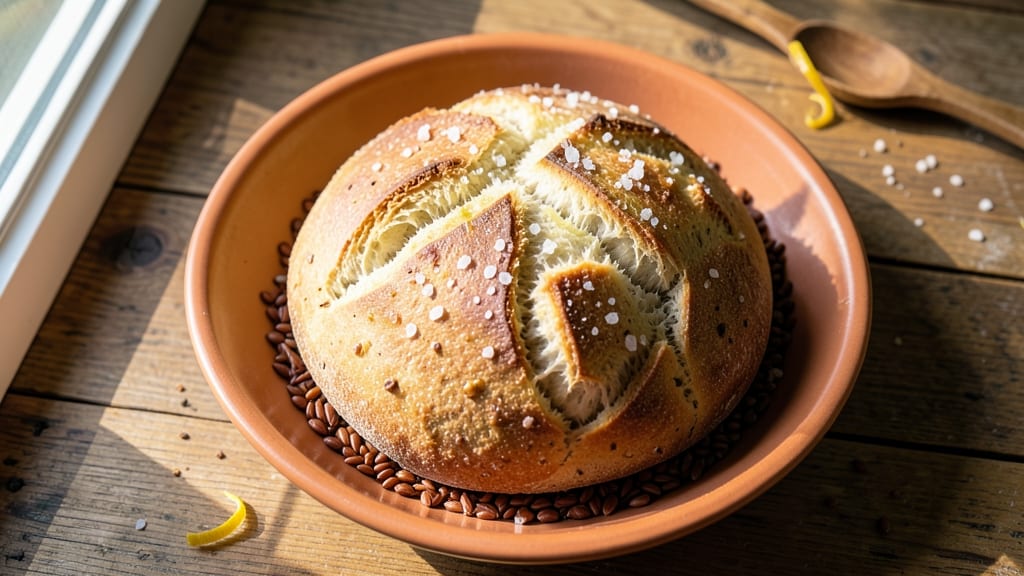
This ancient no-yeast bread recipe brings history to your kitchen with a crispy crust and chewy interior—no yeast required.
Inspired by traditional Ethiopian injera and Middle Eastern flatbreads, this recipe uses club soda as a natural leavening agent, creating a light yet sturdy texture perfect for dipping or serving with stews. The secret lies in ancient grains like teff or sorghum, which add earthy depth and nutritional benefits.
The beauty of this method is its simplicity: no yeast, no waiting hours for fermentation, just a quick mix, shape, and bake. The bread develops a golden, crispy crust while staying tender inside, thanks to the magic of baking soda and the right hydration ratio.
It’s a technique passed down through generations, now accessible to modern home cooks.
What makes this recipe stand out is its versatility—use it as a wrap for sandwiches, a base for dipping oils, or a side for hearty soups. The crispy edges and slightly tangy flavor come from the grains and leavening, while the interior remains soft and satisfying.
Perfect for those who love the taste of tradition without the complexity.
Ready to bake bread that tastes like it belongs in an ancient kitchen? This recipe delivers restaurant-quality results with minimal effort, proving that some of the best dishes require the least ingredients. Let’s get started!
Ingredients for ancient bread recipe no yeast
Eight ingredients transform into crispy, golden bread with ancient origins and modern ease.
| Ingredient | Amount | Notes |
|---|---|---|
| Teff Flour 🌾 | 2 cups | High-protein, earthy flavor |
| Sorghum Flour 🌾 | 1 cup | For light texture and crunch |
| All-Purpose Flour 🌾 | 1 cup | Balances texture and structure |
| Club Soda 💧 | 1 ½ cups | Cold, unsweetened for leavening |
| Baking Soda 🧂 | 1 ½ tsp | Activates with club soda |
| Salt 🧂 | 1 tsp | Diamond Crystal preferred |
| Extra-Virgin Olive Oil 🫒 | ¼ cup | For crispy crust and richness |
| Water 💧 | ½ cup | Room temperature preferred |
| Apple Cider Vinegar 🍏 | 1 tbsp | Enhances tangy flavor |
| Sesame Seeds 🌰 | 2 tbsp | For crunchy topping (optional) |
Teff and sorghum are the stars here—Bob’s Red Mill or Ancient Harvest brands deliver the best flavor and texture. If you can't find teff, buckwheat flour works in a pinch, though the earthy depth will differ slightly. Sorghum adds that perfect crispy edge, so don’t skip it unless you’re using a 100% teff blend. The club soda must be cold and unsweetened—LaCroix or Bubly are my go-tos, but any plain soda works. Pro tip: measure your baking soda precisely, as too much will make the bread bitter.
No club soda? Plain sparkling water is the only real substitute—flat water won’t create the same light texture. Short on teff? Replace half with millet flour, but expect a slightly nuttier taste. The apple cider vinegar adds that tangy kick—substitute lemon juice at half the amount if needed. For the olive oil, avocado oil works too, but it lacks the fruity depth. Sesame seeds are optional but worth the extra minute for that crunchy contrast. Store-bought sesame seeds are fine, but toast them briefly in a dry pan for even more flavor.
This dough keeps for 24 hours in the fridge, covered tightly. For best results, shape and bake immediately, but you can prep ahead. The bread freezes beautifully—wrap tightly in foil and thaw at room temperature before reheating. To revive stale bread, sprinkle with water and warm in a dry skillet for 30 seconds per side. Leftovers? Toast them for a crispy, restaurant-style finish.
Why You'll Love This Recipe
- No-Knead, No-Wait Bread: The club soda and baking soda do all the rising work—no yeast, no proofing, no patience required. Just mix, shape, and bake while you scroll through your phone or sip coffee.
- Earthy, Nutty Crunch: Teff and sorghum add a deep, almost toasty flavor that’s way more interesting than plain white bread. Toast it, and you’ve got a crunch that’ll make you forget store-bought loaves exist.
- Meal Prep MVP: This bread holds up for days—freeze slices for quick toast or pack it for lunches. Honestly, I’ve had it last a week in my fridge with zero complaints.
- Budget-Friendly Staple: Cheap flours, basic pantry staples, and zero specialty ingredients mean this feeds a family without breaking the bank. Plus, it’s way better than the sad bread at the back of the store.
Step-by-step instructions for ancient no-yeast bread recipe
This method transforms humble ingredients into a golden, crispy loaf with an airy crumb—no yeast required.
Activate the Baking Soda with Club Soda
In a large mixing bowl, combine the 1.5 cups club soda and 1.5 teaspoons baking soda. Watch closely as the mixture immediately begins to foam and bubble—this chemical reaction creates the lift that replaces yeast. The volume will nearly double, forming a light, airy base. I like to use a whisk here to ensure even distribution of the baking soda throughout the liquid.
This step is your secret to a properly risen loaf. If you skip it or don't wait for the full reaction, your bread will be dense instead of light. Let the mixture sit for 2-3 minutes until the bubbling slows significantly. The texture should resemble a thick, frothy batter with no visible dry patches.
Mix the Dry Ingredients and Wet Components
In a separate bowl, whisk together the 2 cups teff flour, 1 cup sorghum flour, 1 cup all-purpose flour, 1 teaspoon salt, and 1 tablespoon apple cider vinegar. The vinegar adds a subtle tang that brightens the earthy flavors of the teff and sorghum. I find that using a wire whisk here prevents clumping in the flours.
Next, add the 0.5 cup water and 0.25 cup extra-virgin olive oil to the bowl with the activated club soda mixture. Pour this wet combination into the dry ingredients all at once. Using a sturdy spatula, fold everything together just until combined—you should still see streaks of flour. Overmixing develops gluten, which would make this bread tough instead of tender.
Prepare the Baking Pan and Shape the Dough
Preheat your oven to 375°F and lightly grease an 8x8-inch baking pan with olive oil or line it with parchment paper. This size works perfectly for our recipe, yielding a thick, hearty loaf. Pour the batter into the prepared pan and smooth the top with a spatula, making sure to spread it evenly to the edges.
Here's where the magic happens: Sprinkle the 2 tablespoons sesame seeds evenly over the batter. Press them gently into the surface so they adhere. The sesame adds a beautiful crunch and visual appeal. For even coverage, I use my fingers to distribute them in a single layer, making sure no bare spots remain.
Bake Until Golden and Crisp
Place the pan in the center rack of your preheated oven and bake for 35-40 minutes. You're looking for a deep golden brown top with crisp edges that pull away slightly from the pan. The bread should spring back gently when pressed with your finger—this indicates proper doneness.
I know it seems counterintuitive, but don't open the oven door before the 30-minute mark. The sudden temperature drop can cause the bread to sink. The sesame seeds should be toasted to a rich golden color, adding both flavor and texture. When you pull it out, let it cool in the pan for 10 minutes before transferring to a wire rack.
Rest and Serve for Maximum Crisp
While the bread cools, watch how it develops its signature crispness. The exterior should remain firm and crackly while the interior stays tender. I like to slice it while still warm—this preserves the crispy crust and prevents the bread from becoming gummy.
Serve immediately with your favorite dips or spreads. The combination of teff's earthy depth, sorghum's subtle sweetness, and the crispy crust makes this bread perfect for sandwiches or enjoyed on its own. Store any leftovers in an airtight container at room temperature for up to 3 days, though I doubt you'll have any lasting that long!
Pro Tips For Making Ancient Bread Recipe No Yeast
- Mix Soda Last: Club soda loses its fizz fast, so add it right before shaping—not when you first combine everything. I used to mix it in early and wondered why my dough never rose properly. Wait until the dry ingredients are fully blended, then fold it in gently like you’re tucking in a blanket.
- Sift the Teff: Teff flour is dense and packed with tiny particles that can make your bread heavy. Give it a quick sift with the sorghum and all-purpose flours to lighten the mix. I learned this the hard way—skipping it left my bread brick-like instead of airy.
- Don’t Overmix the Wet: Once you add the club soda and baking soda, stir just until combined—overmixing activates the baking soda too early, and your bread will taste bitter. Think "fold, don’t whip," and stop when there’s no more dry streaks. Yes, it’ll look uneven, but that’s how you get the right texture.
- Preheat Pan Cold: Cast iron or heavy pans need to be cold when you pour in the batter—hot pans cause the edges to set too fast, leaving a dense center. Pour the batter into the pan, then slide it into a preheated oven. Sounds counterintuitive, but it guarantees an even rise.
Troubleshooting your ancient bread recipe no yeast
Dense Instead of Light
If your bread turns out dense rather than light and airy, the issue likely stems from the baking soda activation. Make sure your club soda is cold—warm soda won’t create enough lift.
Also, wait the full 2-3 minutes after mixing the baking soda and soda before combining with other ingredients. Skipping this step prevents proper leavening. For extra insurance, use 1.5 tsp baking soda (not baking powder) and ensure it’s fresh—old baking soda loses potency. 💡
Flat or Sunken Top
A flat or sunken top usually means the batter didn’t rise enough before baking. Double-check that your club soda is fully carbonated (no flat soda!) and that you’re using fresh baking soda.
If your oven runs hot, reduce the temperature to 350°F and add 5 extra minutes to the bake time. Another trick: Press the sesame seeds gently but firmly into the batter before baking—they’ll help trap air and create lift. 🌟
Bitter Taste
A bitter flavor often comes from overmixing the dough or using too much baking soda. Mix just until combined—no more than 10 strokes with a spatula. If the taste is still off, reduce the baking soda to 1 tsp (though this may slightly flatten the rise).
Also, ensure your teff and sorghum flours are fresh—stale grains can develop off flavors. A pinch of honey or maple syrup (½ tsp) balances bitterness beautifully. 🍯
Gummy Texture
Gummy bread usually means the interior didn’t bake long enough or the pan wasn’t properly greased. Extend baking by 5-10 minutes and check for a golden crust and springy bounce when pressed. If your pan isn’t greased well, the bread may stick and steam instead of crisping.
For extra crispiness, broil for 1-2 minutes at the end of baking (watch closely!). Let it cool 15 minutes before slicing—rushing this step makes it gummy. ✨
Sesame Seeds Not Crispy
If your sesame seeds stay soft instead of crispy, they likely weren’t toasted enough before baking. For best results, lightly toast them in a dry skillet for 1-2 minutes until fragrant before sprinkling on top.
If you skip toasting, bake the bread 5 minutes longer to crisp them up. Pro tip: Use white sesame seeds—they toast faster and stay crunchier than black. 🌰
Dough Too Sticky
Sticky dough happens when the hydration ratio is off or the flours aren’t properly mixed. If your dough feels like glue, add 1-2 tbsp more sorghum flour (it absorbs moisture better than teff). For extra insurance, chill the dough for 10 minutes before baking—this helps it set.
If it’s still too wet, reduce the water to 0.375 cup next time. A lightly oiled spatula makes spreading easier without adding extra moisture. 💪
Nutrition facts
Frequently asked questions
Can I make this bread without teff flour?
Teff adds unique earthy flavor, but you can substitute it with 1:1 buckwheat flour for a nuttier taste or equal parts millet and amaranth flour for a lighter texture. The key is maintaining the 2:1 ratio of ancient grains to all-purpose flour to keep that authentic feel. Just remember—these flours pack different flavors, so adjust seasoning if needed.
Why does this recipe use club soda instead of yeast?
The club soda creates a natural chemical leavening effect through carbonation and baking soda, mimicking yeast's air pockets without fermentation time. This method dates back to ancient bread-making traditions where yeast wasn't available. The reaction happens instantly, giving you a light, airy bread in under 30 minutes—perfect for quick meals or when you need fresh bread fast.
How do I store leftovers to keep them crispy?
Store in an airtight container at room temperature for up to 3 days, but for maximum crispiness, wrap slices individually in parchment paper. To revive stale bread, sprinkle with water and warm in a dry skillet for 30 seconds per side until crispy again. For longer storage, freeze slices for up to 1 month—thaw at room temperature before reheating.
What are the best ways to serve this ancient bread?
This versatile bread works beautifully as a dipping base for olive oil, hummus, or spicy harissa. Use it to wrap sandwiches, serve with stews, or enjoy with Mediterranean spreads like za'atar. For a modern twist, toast slices and top with avocado and chili flakes. The crispy edges make it perfect for scooping up sauces—just like ancient civilizations did!
Can I make this bread gluten-free?
Yes, but with modifications! Replace all-purpose flour with 1:1 gluten-free flour blend (like Bob's Red Mill 1-to-1) and use xanthan gum (½ tsp) to improve texture. Teff and sorghum are naturally gluten-free, so keep those as-is. Expect a slightly denser result—gluten-free baking requires extra moisture, so reduce water by 1 tbsp and extend baking time by 5 minutes.