
Main Courses
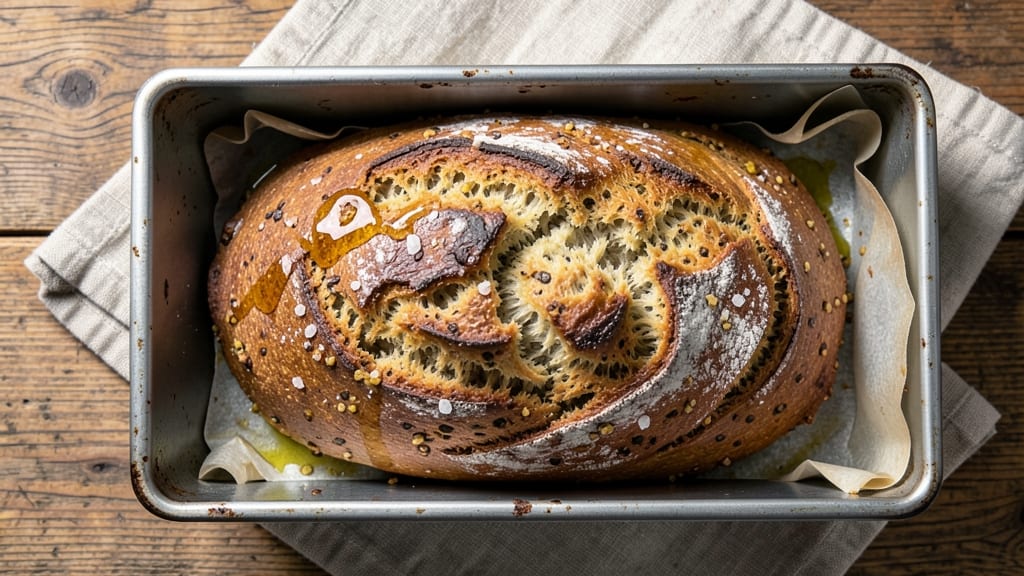
This ancient grain bread machine recipe transforms whole grains into a nutty, crusty loaf with an open crumb structure that rivals artisanal bakeries. The secret lies in combining einkorn, spelt, or farro with traditional flour—each grain adds depth while the bread machine handles the laborious kneading for you.
No more waiting for dough to rise overnight; just load, set, and walk away while it works its magic.
The beauty of this method is its foolproof simplicity. Your bread machine does all the heavy lifting—mixing, kneading, and baking—while you focus on selecting the perfect grain blend. The result?
A loaf with a crispy golden crust and a tender, airy interior that’s packed with nutty flavor from the ancient grains. Perfect for sandwiches, toast, or serving alongside soups.
What sets this recipe apart is the textural contrast: the crust stays crisp even after cooling, while the interior remains soft and slightly chewy. The open crumb structure creates pockets that trap moisture, keeping slices fresh for days.
Whether you’re a beginner or an experienced baker, this recipe delivers restaurant-quality results with minimal effort.
For extra flavor, consider adding seeds like sunflower or flax, or a sprinkle of rosemary before baking. The bread machine’s precision ensures consistent results every time—no more guessing or failed loaves. Ready to bake a loaf that tastes like it came from a specialty bakery? Let’s get started.
Ingredients for ancient grain bread recipe for bread machine
Four ancient grains, one bread machine, and a loaf that rivals artisanal bakeries' open crumb perfection.
| Ingredient | Amount | Notes |
|---|---|---|
| Einkorn Flour 🌾 | 1 cup | Whole grain, finely milled for texture |
| Spelt Flour 🌾 | 1 cup | Whole grain, nutty flavor profile |
| All-Purpose Flour 🌾 | 1 ½ cups | Standard white flour for structure |
| Farro 🌾 | ½ cup | Whole grain, adds chewiness |
| Active Dry Yeast 🍞 | 2 ¼ tsp | Instant yeast preferred for speed |
| Granulated Sugar 🍚 | 1 tbsp | Feeds yeast for fermentation |
| Unsalted Butter 🧈 | ¼ cup | Cold, cubed for flavor development |
| Large Egg 🥚 | 1 whole | Room temperature for even mixing |
| Warm Water 💧 | 1 ¼ cups | 110°F (43°C) for yeast activation |
| Diamond Crystal Kosher Salt 🧂 | 1 ½ tsp | Fine grain for even distribution |
| Sunflower Seeds 🥜 | ¼ cup | Toasted for enhanced crunch |
| Flaxseeds 🌱 | ⅛ cup | Ground for omega-3 richness |
| Fresh Rosemary 🌿 | 1 tbsp | Finely chopped for herbal aroma |
| Olive Oil 🫒 | 1 tbsp | Extra-virgin for bread machine spray |
The grain blend is where the magic happens. Bob's Red Mill carries excellent whole-grain flours, but any reputable organic brand works—just ensure they're finely milled for proper texture. Einkorn and spelt are the flavor stars here, so don't substitute with modern wheat unless you're chasing a lighter loaf. For farro, look for the pearled variety at Whole Foods or health food sections; it adds that signature chew. The yeast should be fresh—test by dropping a pinch in warm water; if it bubbles within 5 minutes, it's active. Store your grains in airtight containers to preserve their nutty oils, which degrade when exposed to light.
No einkorn? Substitute with additional spelt or whole wheat, but expect slightly less open crumb structure. For the seeds, pumpkin seeds work beautifully if sunflower isn't available, though they'll have a different toasted flavor profile. The butter can be swapped for vegetable shortening if you're avoiding dairy, though texture will be slightly denser. Rosemary can be omitted entirely or replaced with dried thyme at one-third the amount. For the water, if you don't have a thermometer, let tap water sit for 10 minutes after boiling to reach the ideal temperature—it should feel warm to the touch but not hot. The olive oil spray is non-negotiable; bread machine pans need that non-stick barrier for easy removal.
This dough keeps remarkably well. Portion it into two 1-pound loaves for optimal baking in most machines—check your manual for pan size limits. Store unused portions in the fridge for up to 3 days, or freeze the dough balls for 3 months wrapped tightly in plastic. The baked loaves stay fresh for 5-7 days when wrapped in a cotton towel inside a paper bag. For reheating, wrap slices in foil and warm at 350°F for 5-7 minutes. The crust's crispness peaks within the first hour after baking, so slice immediately if you're impatient—though the interior stays tender for hours. Toasting slices restores that perfect crunch.
Why You'll Love This Recipe
- Bread Machine Magic: I swear, the machine does all the heavy lifting—just toss in the einkorn and spelt blend, add the farro for texture, and let it knead itself. No standing around, no flour everywhere.
- Nutty, Toasty Crunch: That farro adds a satisfying bite, while the einkorn’s mild sweetness balances the chew. Honestly, it’s the kind of bread that makes you slow down and savor every slice.
- Weeknight Workhorse: Toss it in the freezer for toast in the morning or pack it for lunch—it’s sturdy enough to handle sandwiches but still soft enough to tear. My go-to for busy days.
- Budget-Friendly Staple: Spelt and einkorn are pricier than all-purpose, but a little goes a long way, and the farro stretches the dough beautifully. Leftovers? They disappear faster than I can say “second breakfast.”
Step-by-step instructions for ancient grain bread machine recipe
This method transforms simple ingredients into a loaf with nutty depth and open crumb structure.
Prepare the Bread Machine Pan and Mix Ingredients
First, lightly spray the bread machine pan with the 1 tablespoon olive oil to prevent sticking. The oil should coat the bottom and sides evenly—this ensures easy removal later. In a large mixing bowl, combine the 1 cup einkorn flour, 1 cup spelt flour, 1.5 cups all-purpose flour, and 0.5 cup farro. Sift these together to eliminate any lumps and aerate the mixture.
Next, create a well in the center and add the 2.25 teaspoons active dry yeast, 1 tablespoon granulated sugar, and 1.5 teaspoons diamond crystal kosher salt. The sugar feeds the yeast while the salt balances flavor. Whisk these dry ingredients into the flour mixture until evenly distributed. This step is crucial for even fermentation throughout the bread.
Add Wet Ingredients and Mix to a Dough
In a separate bowl, whisk together the 1 whole large egg and 1.25 cups warm water (about 110°F) until fully combined. The warm water activates the yeast immediately, so work quickly. Gradually pour this liquid mixture into the dry ingredients while stirring with a wooden spoon or dough whisk.
Once combined, add the 0.25 cup unsalted butter, cut into small cubes. Mix until the butter is fully incorporated and the dough begins to come together. The mixture should be shaggy but cohesive. If the dough feels too dry, add 1 tablespoon warm water at a time until it forms a soft, pliable ball that cleans the sides of the bowl.
Incorporate Seeds and Herbs for Texture and Flavor
In a small bowl, toast the 0.25 cup sunflower seeds and 0.125 cup flaxseeds in a dry skillet over medium heat for 3-4 minutes, stirring constantly, until fragrant and lightly golden. This enhances their nutty flavors and crunch. Let them cool completely before adding to the dough.
Finely chop the 1 tablespoon fresh rosemary and add it to the toasted seeds. Gently fold these into the dough by hand, being careful not to overwork it. The seeds and herbs should be evenly distributed throughout. This step ensures every bite delivers the intended texture and aroma profile.
Load Dough into the Bread Machine
Transfer the dough to the prepared bread machine pan, shaping it into a loose ball. The dough should fill about ⅔ of the pan's capacity, leaving room for expansion. Wipe any excess dough from the sides to prevent sticking. Select the "Basic White Bread" setting on your machine and start the cycle.
During the first 20 minutes, the machine will knead the dough automatically. You'll hear it mixing vigorously—this develops gluten for structure. The dough should nearly double in size by the end of the kneading phase. If it doesn't, check that your yeast is fresh and your water temperature is correct.
Pro Tips For Making Ancient Grain Bread Recipe For Bread Machine
- Pre-soak the Farro: I learned this the hard way—skipping the soak means your bread machine will fight to digest those whole farro grains, leading to a dense, gummy mess. Toss the farro in warm water (about 1:2 ratio) for at least 2 hours before adding it to the mix—your bread will rise properly and stay light.
- Use Lukewarm Water: Ancient grains and yeast are divas—too hot, and the yeast croaks; too cold, and the dough takes forever. Fill your bread machine’s water reservoir with water that’s warm enough to float a thermometer at 95°F (35°C). If it’s a guess, it should feel like a warm bath, not a sauna.
- Skip the Extra Yeast: This recipe already has enough yeast to handle the dense flours, but I used to double it “just in case.” That’s how you end up with a bitter, overproofed loaf. Trust the recipe—your bread machine’s kneading cycle will activate the yeast perfectly without extra help.
- Grease the Pan Well: Einkorn and spelt flour are sticky little devils, and they’ll cling to your bread pan like glue if you’re not careful. Use a pastry brush with a tiny bit of neutral oil (like avocado or grapeseed) to coat the pan after the dough rises—this guarantees easy release without sticking to the bottom.
Wine and beer pairings for these flavors
Crisp White Wine
For this nutty, crusty loaf, I reach for a dry Italian white wine like Vermentino or Pinot Grigio from Alto Adige. The crisp acidity cuts through the rich grain flavors while complementing the rosemary and toasted seeds.
Serve slightly chilled to enhance its refreshing quality—about 50°F. A 2019 Tenuta San Guido Vermentino from Tuscany is my go-to for its citrus notes that mirror the bread's herbal complexity. 🍷
Light Lager Pairing
A crisp German pilsner or Belgian witbier balances the bread's heartiness without overpowering it. I love Weihenstephaner Hefeweissbier, a classic hefeweizen, for its subtle banana and clove notes that harmonize with the rosemary.
For a lighter option, Hoegaarden's coriander and orange peel add a refreshing contrast to the nutty grains. Serve at 45-50°F to preserve its effervescence. 🍺
Rosemary-Infused Gin
For a sophisticated twist, mix a rosemary-infused gin cocktail with the bread. I blend 2 oz Hendrick's Gin, ½ oz honey syrup, and a splash of tonic water, garnished with a rosemary sprig.
The herbal notes echo the bread's rosemary while the gin's botanicals enhance the seeds' crunch. Serve over ice for a refreshing contrast to the warm loaf. 🌿
Seasonal Beer Options
In autumn, a dark ale like Guinness or Samuel Smith's Nut Brown Ale pairs beautifully with the bread's deep, nutty flavors. The maltiness complements the farro and einkorn, while the slight bitterness balances the richness.
For summer, switch to a Belgian saison—its peppery notes and dry finish make it a perfect match for the bread's open crumb structure. 🍻
Non-Alcoholic Sparkling Water
For a refreshing non-alcoholic option, try sparkling mineral water with a squeeze of lemon. The bubbles cleanse the palate between bites, while the citrus brightens the bread's nutty depth.
I like San Pellegrino Aranciata for its orange flavor, which adds a subtle sweetness that contrasts nicely with the rosemary. Serve well-chilled for the best experience. 💧
Nutrition facts
Frequently asked questions
Can I substitute any of the ancient grains in this recipe?
Yes! If you can't find einkorn or farro, try whole wheat berries or barley malt for texture. For a lighter loaf, replace up to ½ cup of spelt with white whole wheat flour, but expect slightly less nutty flavor. The key is maintaining a 2:3 ratio of ancient grains to all-purpose flour for that signature open crumb.
Why does my bread machine dough sometimes fail to rise properly?
Most common causes are yeast that's expired or water that's too hot/cold. Test your yeast by dissolving ½ tsp in ¼ cup warm water—it should bubble in 5 minutes. Water should be 110°F (43°C) (like a warm bath). Also check your machine's pan isn't overfilled—dough needs 25-30% expansion room to rise properly.
How do I get that perfect crispy crust without burning the top?
Spray the dough with 1 tsp water before the final 10 minutes of baking to create steam. For even browning, place a metal bowl of water in the oven during the last 15 minutes. The crust will crisp as it cools—never slice immediately! Let it rest 30 minutes before cutting for that artisanal texture.
Can I make this recipe without a bread machine?
Mix all ingredients by hand, then knead for 10 minutes by hand or 5 minutes with a stand mixer. Let rise 1.5 hours (double the machine time), then shape and bake at 375°F (190°C) for 30-35 minutes with a baking sheet of water underneath for steam. The texture will be slightly denser but still delicious.
What's the best way to store leftover bread?
Wrap cooled loaves in a cotton towel and place in a paper bag at room temperature for 3 days. For longer storage, freeze slices on a tray, then transfer to a bag for 3 months. To reheat, wrap slices in foil and warm at 350°F (175°C) for 5 minutes. The crust stays crispy when properly stored!