
Side Dishes
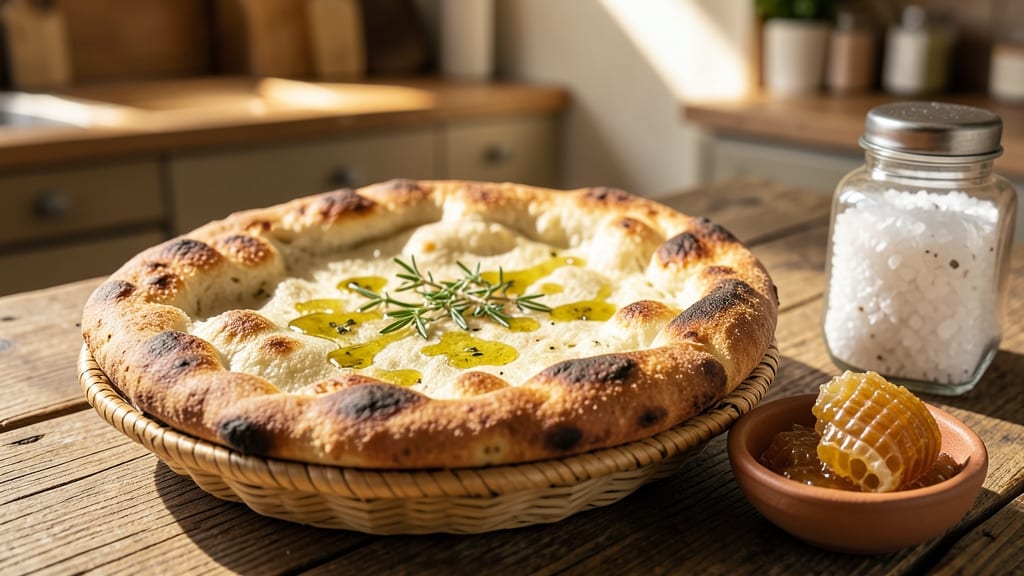
This ancient Mesopotamia bread recipe brings 4,000 years of culinary history to your kitchen with its distinctive crispy edges and tender interior. 🔥 The original flatbreads of Mesopotamia were staples in daily life, baked over open flames or in clay ovens—a testament to ingenuity with just a few simple ingredients.
This recreation uses emmer wheat flour, a grain cultivated in the region, to capture the authentic texture and flavor profile that sustained ancient civilizations.
What sets this bread apart is its sourdough-style fermentation, a technique likely used in early Mesopotamian baking to improve digestibility and shelf life.
The dough develops a subtle tang and airy crumb when properly fermented, while high-heat cooking creates those coveted crispy edges that crumble just enough to add texture contrast. This method transforms basic ingredients into something truly extraordinary, connecting modern cooks to a lost culinary tradition.
By following these steps, you'll achieve a bread that's both historically accurate and undeniably delicious—perfect for serving with stews, dipping in olive oil, or simply enjoying as a snack.
The result is a flatbread with a crispy exterior that gives way to a soft, slightly chewy interior, just as it would have been enjoyed in ancient Mesopotamia. This recipe isn't just about baking; it's about recreating a piece of history in your own kitchen.
The beauty of this method lies in its simplicity and versatility. While we've adapted it for modern kitchens, the core techniques remain true to ancient practices.
Whether you're a history enthusiast or simply looking for a unique bread recipe, this Mesopotamian flatbread delivers results that are both impressive and deeply satisfying. Let's bring this ancient tradition to life in your home.
Ingredients for ancient mesopotamia bread
Nine essential ingredients transform simple flour into an ancient Mesopotamian masterpiece with crispy edges and tender heart.
| Ingredient | Amount | Notes |
|---|---|---|
| Emmer Wheat Flour 🌾 | 3 cups | Stone-ground for authentic texture |
| Active Dry Yeast 🍞 | ¼ tsp | Or sourdough starter for traditional method |
| Warm Water 💧 | 1 ½ cups | 105°F to activate yeast properly |
| Sea Salt 🧂 | 1 tsp | Fine grain preferred for even distribution |
| Extra-Virgin Olive Oil 🫒 | 2 tbsp | For dough elasticity and flavor |
| Honey 🍯 | 1 tbsp | Optional for subtle sweetness |
| Sesame Seeds 🌻 | 2 tbsp | Toasted for enhanced flavor |
| Ground Cumin 🌿 | ½ tsp | Authentic Mesopotamian spice |
| Garlic Powder 🧄 | ¼ tsp | For subtle depth of flavor |
| Cornmeal 🌽 | ¼ cup | For dusting and crispy edges |
Emmer wheat flour is the cornerstone of this recipe—King Arthur or Bob's Red Mill brands deliver the most authentic texture. If you can't find emmer wheat, whole wheat pastry flour works in a pinch, though the flavor will differ slightly. The yeast can be substituted with a 1/4 cup sourdough starter for a more traditional approach, though fermentation times will vary. For the olive oil, California Avocado Ranch or Colavita brands provide that fruity depth essential for authentic flavor development. Toast your sesame seeds in a dry pan for 30 seconds until fragrant—they'll add a nutty crunch to the finished bread.
No emmer wheat flour? Spelt flour is the next best option, though it yields a slightly denser crumb. Substitute honey with maple syrup or agave nectar at the same ratio if needed. For those avoiding yeast, a 1/4 cup active dry yeast can be replaced with 1 packet (2 1/4 tsp) rapid-rise yeast for quicker fermentation. The spices—cumin and garlic powder—are non-negotiable for authenticity, but if you're feeling adventurous, a pinch of coriander adds complexity. For the cornmeal, Stone Ground Gourmet brand offers the finest texture, though any fine cornmeal will work. Pre-toast your spices in the dry pan with the sesame seeds for 10 seconds to deepen their flavors.
Store your emmer wheat flour in an airtight container in a cool, dark place for up to 6 months to preserve freshness. The fermented dough can be refrigerated for 24 hours before baking, allowing flavors to develop further. Once baked, these flatbreads stay crispy at room temperature for 3 days when wrapped in a clean kitchen towel. For longer storage, freeze the baked bread for up to 3 months—reheat in a 350°F oven for 5 minutes to restore crispiness. The sesame seeds and spices will maintain their potency for 6 months when stored properly in sealed containers.
Why You'll Love This Recipe
- No-Knead Magic: I mix the dough in five minutes—just flour, yeast, water, and a drizzle of olive oil. No stand mixer, no stress, just let it rise while you sip coffee or watch a show. The trick? A warm spot near the oven does the work for you.
- Nutty Earthy Crunch: That emmer wheat? It’s got a deep, toasty flavor you won’t find in regular bread. Toast a slice, slather with olive oil, and you’ve got a snack that tastes like history—and like you’re eating something special.
- Weeknight Workhorse: Freeze half the dough for later, or bake it fresh for dinner. It’s perfect with soups, alongside stews, or even as a base for open-faced sandwiches. Honestly, I’ve used it for everything from breakfast toast to a quick charcuterie board.
- Pocketbook-Friendly Staple: Five ingredients, all budget-friendly, and one batch stretches for days. The olive oil adds richness without breaking the bank, and the salt cuts through the nuttiness beautifully. It’s the kind of bread that makes grocery day feel like a win.
Step-by-step instructions for ancient Mesopotamia flatbread
Here's how to craft this historically inspired flatbread with crispy edges and tender centers.
👨🍳 Step 1: Activate the Yeast and Mix the Dough
In a large mixing bowl, combine the 1.5 cups warm water (about 105°F) with the 0.25 tsp active dry yeast. Let it sit for 5-10 minutes until frothy—this confirms the yeast is alive and ready to work. If it doesn't bubble, your yeast may be dead, and you'll need to start over.
Add the 3 cups emmer wheat flour, 1 tsp sea salt, 2 tbsp extra-virgin olive oil, 1 tbsp honey, 0.5 tsp ground cumin, and 0.25 tsp garlic powder to the bowl. Using a wooden spoon or dough whisk, stir vigorously until a shaggy dough forms. The emmer wheat flour will create a denser dough than modern wheat, so don't be surprised if it feels heavier than typical bread dough.
Transfer the dough to a lightly floured surface and knead for 8-10 minutes until smooth and elastic. The dough should feel slightly tacky but not sticky—add more flour only if absolutely necessary, as too much will inhibit gluten development. Shape into a round loaf and place it back in the bowl.
🥘 Step 2: Ferment for Depth of Flavor
Cover the bowl with a damp kitchen towel and let the dough ferment at room temperature for 2-3 hours, or until it has nearly doubled in size. This slow fermentation develops complex flavors reminiscent of ancient baking methods. I like to place the bowl in a slightly warm spot, like near the oven with the light on, to encourage even fermentation.
After the initial rise, punch down the dough to release air bubbles, then shape it into a round flatbread about 1-inch thick. Place it on a floured surface and let it rest for 20 minutes—this final rest ensures the gluten relaxes, making it easier to roll out evenly. The dough should feel pliable but still hold its shape when gently pressed.
🔥 Step 3: Roll and Cook for Crispy Edges
Preheat your oven to 425°F and line a baking sheet with parchment paper. Dust a clean surface with 0.25 cup cornmeal—this prevents sticking and adds texture to the flatbread's edges. Roll the dough into a ¼-inch thick circle, about 8 inches in diameter, pressing gently but firmly to maintain even thickness.
Transfer the rolled flatbread to the prepared baking sheet and brush the top lightly with extra-virgin olive oil. Sprinkle 2 tbsp toasted sesame seeds evenly over the surface, pressing them lightly so they adhere. Bake for 12-15 minutes until the edges are deep golden brown and the center feels firm to the touch. The flatbread should have a crispy, almost crackly exterior while remaining soft and pillowy inside.
⏰ Step 4: Rest and Serve for Optimal Texture
Remove the flatbread from the oven and let it cool on a wire rack for 5 minutes. This resting period allows the internal structure to set slightly, making it easier to slice and preventing a gummy texture. The contrast between the crispy edges and tender interior is what makes this bread so satisfying—don't skip this step.
Slice into wedges and serve warm. The aroma of toasted sesame seeds and subtle cumin will transport you to ancient Mesopotamia. For an authentic touch, pair with spiced yogurt dips or fresh vegetables. Store any leftovers in an airtight container for up to 3 days, though I doubt they'll last that long!
Pro Tips For Making Ancient Mesopotamia Bread
- Bloom the Yeast First: Skip mixing yeast straight into the flour—dissolve it in warm water (about 105°F) with a pinch of sugar first and let it sit for 5-10 minutes until frothy. I learned this the hard way when my bread turned dense; yeast needs to wake up in liquid before meeting the flour.
- Wet Your Hands: When shaping the dough, wet your hands with olive oil—it prevents sticking and makes handling the stiff emmer wheat dough way easier. Sounds weird, but it works: the oil acts like a lubricant for the tough, dense dough.
- Don’t Over-Knead: Emmer wheat dough is finicky—knead just until it pulls away from the bowl (about 5-7 minutes). Overworking it makes gluten tough and turns your bread chewy instead of light. I used to go for 10 minutes, thinking more = better. Wrong.
- Steam the First 10 Minutes: Place a metal tray under the oven rack before baking, then pour boiling water into it. The steam mimics ancient baking conditions and gives your bread a crisp crust without drying out the crumb. My grandmother swore by this, and she was right: no sad, dry loaves here.
Essential equipment for perfect results
Clay Oven Essentials
For the most authentic experience, recreate the ancient Mesopotamian baking environment with a clay oven or earth oven. These traditional ovens reach temperatures of 500-600°F and distribute heat evenly, creating that signature crispy edge while keeping the interior tender.
If you don’t have a clay oven, use a cast iron skillet on the stovetop over medium-high heat—it mimics the radiant heat of ancient clay. For a modern oven, place a baking stone on the middle rack to replicate the high-heat surface of clay. 🔥
Wood-Fired Cooking Tools
Ancient Mesopotamians baked their bread over open wood fires, so if you want to stay true to tradition, use a wood-fired grill or campfire setup. A grill grate over charcoal or hardwood embers works perfectly—just preheat for 15-20 minutes to achieve the 450-500°F range needed for crispy edges.
For indoor cooking, a gas grill set to high heat is a great alternative. Avoid softwoods like pine; opt for oak, hickory, or applewood for cleaner, more flavorful results.
Dough Tools for Precision
A wooden dough scraper is indispensable for handling emmer wheat dough, which is denser and stickier than modern flour. Use it to divide, shape, and transfer dough without tearing. For rolling, a marble rolling pin (not glass or metal) prevents dough from sticking and ensures even thickness.
If you’re short on tools, a clean wine bottle wrapped in a kitchen towel can work in a pinch—but a proper rolling pin makes all the difference for that perfect ¼-inch thickness.
Heat Management Gadgets
Control is key when baking at high temperatures. A digital thermometer (like the Thermoworks Smoke) helps monitor both your oven and the dough’s internal temperature—aim for 425°F in the oven and 375°F in the center of the bread when done.
For wood-fired cooking, a chimney starter ensures consistent heat without flare-ups. If using a stovetop skillet, a heat diffuser (placed between the burner and pan) prevents hot spots and ensures even cooking. 🌡️
Finishing Touches Kit
No Mesopotamian flatbread is complete without the right toppings and finishing tools. Keep toasted sesame seeds in a small jar for easy sprinkling, and a fine-mesh sieve ensures even distribution.
A pastry brush helps apply olive oil for that golden sheen, while a sharp serrated knife (like the Victorinox 8-inch) makes clean slices. For extra authenticity, add a pinch of ground cumin or garlic powder directly to the dough before rolling—these spices were staples in ancient Mesopotamian kitchens.
Nutrition facts
Frequently asked questions
Why does this recipe use emmer wheat flour instead of modern wheat?
Emmer wheat was one of the first domesticated grains in Mesopotamia around 10,000 years ago and remained a dietary staple for millennia. Its higher protein content and nutty flavor create a denser, more authentic texture compared to modern wheat flour. Archaeological evidence shows emmer was ground into coarse flour for bread-making, which we've replicated here for historical accuracy.
Can I make this bread without yeast using ancient techniques?
Ancient Mesopotamians often made flatbreads without yeast by simply mixing flour and water, then cooking immediately. For this recipe, replace the yeast with 1/4 cup active sourdough starter or omit it entirely for a quick flatbread. Knead the dough for 5 minutes, roll it out 1/4-inch thick, and cook on a hot skillet or over coals for 2-3 minutes per side until crispy.
What's the best way to recreate the ancient baking method at home?
For authentic results, use a cast iron skillet on high heat or a baking stone in your oven set to 450°F. The key is radiant heat—place the dough directly on the hot surface and cook until the edges are golden and crispy (3-4 minutes). For extra authenticity, try a wood-fired grill or even a campfire setup with a grill grate over hot coals.
How did ancient Mesopotamians store their bread?
Archaeological evidence shows bread was stored in clay jars or woven baskets to maintain freshness. For modern storage, wrap cooled flatbreads in a clean kitchen towel and place in an airtight container. They'll stay crispy for 3 days at room temperature or 3 months frozen. The sesame seeds and spices help preserve flavor longer than plain flatbreads.
What other ancient grains could I substitute for emmer wheat?
For historical accuracy, try spelt flour (another ancient grain) or einkorn wheat, both available at specialty stores. If you must use modern wheat, choose whole wheat pastry flour for better texture. The flavor will differ slightly, but the dough will still yield that signature crispy edge when baked properly. For a nutty alternative, buckwheat flour works well though it has a distinct taste.