Side Dishes
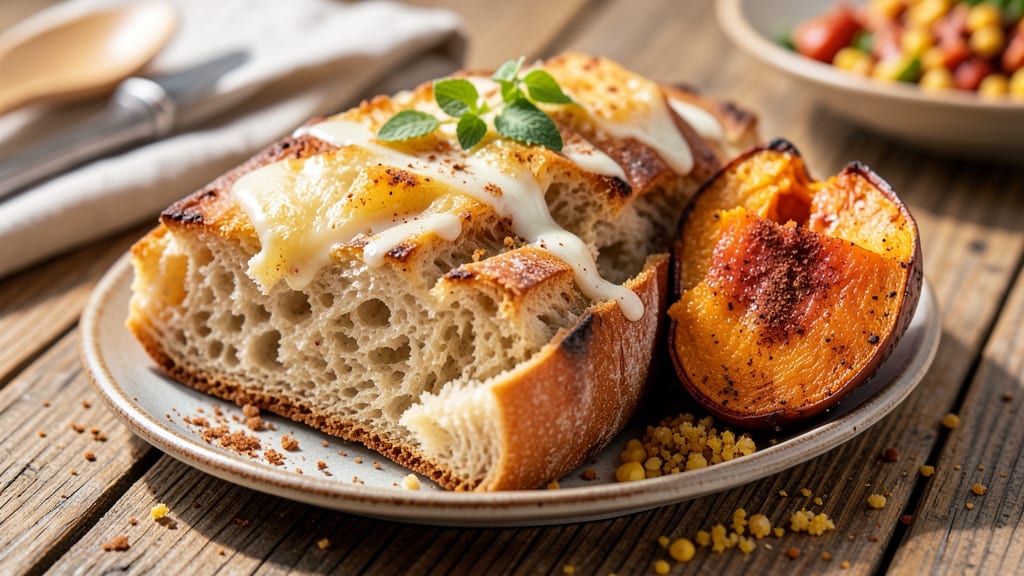
This Antigua bread recipe brings the warm, earthy flavors of the Caribbean right to your kitchen table—where every bite of sweet potato and cornmeal crust delivers a taste of island tradition. 🌟 The secret lies in the perfect balance of tender crumb and crispy exterior, achieved through a simple yet transformative baking technique that transforms humble ingredients into something extraordinary.
What makes this recipe truly special is its versatility—whether you're serving it alongside a hearty stew, pairing it with grilled meats, or enjoying it on its own as a satisfying snack.
The sweet potato adds natural sweetness and moisture, while the cornmeal gives it a rustic texture that's both comforting and unique. No fancy equipment is needed, just a cast-iron skillet or baking dish to create that signature crust.
By the time it emerges from the oven, you'll have a loaf that's golden on the outside and tender within, with a subtle sweetness that lingers on your palate.
The aroma alone will transport you to the shores of Antigua, where this bread is a staple in homes and restaurants alike. It's the kind of dish that turns a simple meal into something memorable.
Best of all, this bread keeps beautifully for days, making it perfect for meal prep or sharing with neighbors. Whether you're new to Caribbean cuisine or looking to expand your baking repertoire, this recipe delivers restaurant-quality results with minimal effort. Let's get started!
Ingredients for antigua bread
Sweet potatoes and cornmeal create this Caribbean-inspired bread with a crispy crust and tender heart.
| Ingredient | Amount | Notes |
|---|---|---|
| Orange Sweet Potatoes 🍠 | 2 ½ lbs | Peeled, cubed into 1-inch pieces |
| Yellow Cornmeal 🌽 | 2 cups | Fine grind preferred |
| All-Purpose Flour 🌾 | 1 cup | For structure and binding |
| Baking Powder 🍞 | 1 ½ tsp | Aluminum-free for best results |
| Salt 🧂 | 1 tsp | Diamond Crystal preferred |
| Ground Cinnamon 🌿 | 1 tsp | Warm, earthy variety |
| Unsalted Butter 🧈 | ½ cup | Cold, cubed for texture |
| Large Eggs 🥚 | 2 whole | Room temperature for blending |
| Milk 🥛 | ½ cup | Whole for richness |
| Honey 🍯 | ¼ cup | Local, raw preferred |
| Vanilla Extract 🌸 | 1 tsp | Pure vanilla for aroma |
| Coconut Oil 🥥 | 2 tbsp | For greasing pan |
The sweet potatoes are the star—look for vibrant orange ones at the grocery store, not the paler varieties. Trader Joe's and Whole Foods carry the best quality, but any well-stocked supermarket works. If you can't find orange sweet potatoes, regular sweet potatoes will work, though they'll be slightly less moist. The cornmeal should be fine grind—Bob's Red Mill is my go-to, but check the baking aisle. Pro tip: Toast your cornmeal in a dry pan for 2 minutes before mixing to deepen the flavor (trust me on this).
No honey? Maple syrup works perfectly—just use the same amount. Short on milk? Coconut milk or almond milk add a subtle sweetness, though whole milk gives the best texture. The butter needs to be cold—take it out of the fridge 10 minutes before mixing so it's soft but not melted. For extra richness, swap half the milk for heavy cream. And if you're feeling fancy, add a pinch of nutmeg to the dry ingredients for that authentic Caribbean touch.
This bread keeps beautifully for 4-5 days wrapped in foil at room temperature, or 3 months frozen in slices. For best results, reheat in a 350°F oven for 5-10 minutes until golden and crisp. I like to slice it fresh from the oven and serve with butter melting on top—absolute heaven. The crust gets crispier the longer it sits, so make extra if you can. Portion into individual slices for easy grab-and-go meals all week.
Why You'll Love This Recipe
- No-Fuss Mixing: I swear by this dough—just mash those sweet potatoes, toss in the cornmeal, and fold. No stand mixer, no kneading, just a bowl and a spoon. The baking powder does all the work while I’m still wiping flour off my hands.
- Sweet & Earthy Magic: That orange sweet potato adds a natural caramel sweetness, while the cornmeal gives it a nutty crunch. It’s like a hug in bread form—warm, slightly dense, and impossible to resist. (Yes, even when you’re not hungry.)
- Weeknight Workhorse: Slice it fresh for breakfast, toast it for lunch, or pack it for school lunches. It reheats beautifully, so I make a big batch on Sundays and forget about it. My kids’ favorite? The crispy edges when toasted with butter.
- Budget Stretch: Sweet potatoes and cornmeal are cheap staples, and this recipe makes a loaf big enough to feed four. I’ve made it for potlucks, picnics, and lazy Sundays—never once regretting the leftovers. (They rarely last past day two.)
Step-by-step instructions for sweet potato and cornmeal bread
This bread delivers a perfect balance of sweet, crusty exterior and moist, spiced interior—let's make it together!
🔥 Step 1: Roast the Sweet Potatoes Until Tender
Preheat your oven to 400°F and line a baking sheet with parchment paper. Spread the 2.5 lbs orange sweet potatoes (cubed into 1-inch pieces) in a single layer on the sheet. Drizzle lightly with 2 tbsp coconut oil and toss to coat evenly.
Roast for 25-30 minutes until the edges are golden brown and the cubes are tender when pierced with a fork. You want them soft enough to mash easily but not falling apart. The warm, caramelized flavor from roasting will infuse the entire bread.
Real talk: If you see any pieces browning too quickly, flip them halfway through. The goal is even cooking—no burnt edges or undercooked centers. Let them cool for 10 minutes before transferring to a food processor.
👨🍳 Step 2: Create the Sweet Potato Base
While the potatoes cool, whisk together the 2 cups yellow cornmeal, 1 cup all-purpose flour, 1.5 tsp baking powder, 1 tsp salt, and 1 tsp ground cinnamon in a large mixing bowl. Set aside—this dry mix is the backbone of our bread's texture.
In the food processor, combine the cooled sweet potatoes with the 0.5 cup unsalted butter (cold, cubed), 0.25 cup honey, 2 whole large eggs, 0.5 cup milk, and 1 tsp vanilla extract. Pulse until completely smooth, scraping down the sides as needed. You're aiming for a thick, velvety purée that's almost like a sweet potato batter.
Here's the thing—don't rush this blending. The butter needs to incorporate fully for that perfect tender crumb. If it looks too thick, add 1 tablespoon milk at a time until it reaches a smooth, spreadable consistency.
🥘 Step 3: Combine Wet and Dry Ingredients
With the food processor running, gradually add the dry ingredients from the bowl to the sweet potato mixture. Pulse until just combined—you should still see some cornmeal flecks, but everything should be evenly distributed. Overmixing develops gluten and makes the bread dense.
Transfer the batter to the mixing bowl and stir gently with a spatula. The batter will be thick and sticky, almost like a dense cookie dough. Don't be tempted to add more flour—this is what gives our bread its signature moist texture. Let the batter rest for 10 minutes at room temperature while you prepare your baking vessel.
I know it seems weird, but trust me—this resting period allows the cornmeal to fully hydrate and the flavors to meld. The batter will look like too much, but that's exactly what we want for that perfect pull-apart texture.
🔥 Step 4: Bake to Golden Perfection
Preheat your oven to 375°F. Generously grease a 9x5-inch loaf pan with additional coconut oil (about 1 tbsp) or line it with parchment paper. Pour the batter into the prepared pan and smooth the top with a spatula. The batter will be thick, so don't worry if it doesn't fill the pan completely.
Bake for 50-55 minutes until the top is deep golden brown and a toothpick inserted in the center comes out clean. The edges should pull away from the pan slightly, and you'll smell that wonderful sweet, spiced aroma wafting from your oven.
Don't open the oven door during baking—this bread needs steady, even heat to develop its signature crust. If the top browns too quickly, tent loosely with aluminum foil for the last 10 minutes of baking.
⏰ Step 5: Cool and Slice for Maximum Enjoyment
Remove the bread from the oven and let it cool in the pan for 10 minutes. Then transfer to a wire rack to cool completely. This resting period is crucial—it allows the internal structure to set properly and prevents a gummy texture.
Here's where it gets fun: once completely cooled, slice the bread into ½-inch thick pieces. The exterior will be beautifully crusty while the interior remains wonderfully moist with those sweet potato threads running throughout. Serve warm with butter or jam for the ultimate comforting experience.
Pro tip: If you're making this ahead, the bread actually improves overnight as the flavors continue to develop. Store wrapped at room temperature for up to 3 days or freeze slices for up to 3 months—perfect for quick breakfasts!
Pro Tips For Making Antigua Bread
- STEAM THE SWEET POTATOES: I learned this the hard way—boiling whole orange sweet potatoes first makes peeling them a breeze, but steaming them for 10 minutes softens the skin enough that you can just rub off the peel with your fingers. No knife, no mess, and the texture stays perfect for the bread.
- SIFT THE CORNMEAL: Skip the sifting? Your bread will be dense. Yellow cornmeal has a tendency to clump, and those lumps show up as weird textures in the final product. Give it a quick sift with the flour—just a few seconds—so the crumb stays light and even.
- DON’T OVERMIX THE DOUGH: I used to punch and fold this batter like I was making pancakes, and the bread turned out tough. Mix just until the dry ingredients disappear—about 10 strokes with a wooden spoon—and stop. Overworking it develops the gluten, and this bread relies on that tender, slightly crumbly texture.
- BAKE UNTIL THE EDGES CRISP: The recipe might say "golden brown," but don’t pull it out until the edges are actually crisp. I used to check at 35 minutes and end up with a gummy center. Let it ride another 5-7 minutes—yes, even if the top looks done—so the crust snaps and the inside stays moist.
Make-ahead tips for this antigua bread
Prep Ahead Strategy
Start by roasting the sweet potatoes 24 hours in advance—they keep perfectly in an airtight container at room temperature. This head start saves you time on baking day and deepens their flavor. Store them in a sealed container with parchment paper to prevent sticking. 🍠
Batter Prep Shortcut
Mix the dry ingredients (cornmeal, flour, baking powder, salt, and cinnamon) in advance and store in a sealed container for up to 5 days. Keep the wet ingredients (eggs, milk, honey, butter) separate until ready to use. This 10-minute prep before baking ensures everything comes together quickly.
Overnight Baking Plan
For a hands-off approach, prepare the batter the night before and refrigerate it overnight. The cold temperature enhances the cornmeal's texture, resulting in a denser, more flavorful loaf.
Simply pop it in the oven the next morning for 55-60 minutes—no extra steps needed. This method works best when using whole milk for optimal moisture retention.
Freezer-Friendly Slices
Slice the fully cooled bread into ½-inch thick pieces and freeze them on a baking sheet for 1 hour to prevent sticking. Transfer to a quart-sized freezer bag with parchment paper between layers.
Reheat individual slices in a 350°F oven for 5-7 minutes until golden and crisp. These make perfect grab-and-go breakfasts all week!
Batch Baking Tips
Double the recipe and bake two loaves simultaneously in 9x5-inch pans—just increase the baking time by 5-10 minutes. Store both loaves wrapped in foil at room temperature for up to 5 days.
For even easier sharing, wrap individual slices in parchment paper before freezing. This approach ensures you always have fresh bread on hand without extra effort. 💫
Nutrition facts
Frequently asked questions
Can I substitute regular sweet potatoes for orange ones?
Yes, you can use regular sweet potatoes, but they'll be slightly less moist and vibrant in color. Orange sweet potatoes have more natural sweetness and moisture due to their higher beta-carotene content. If using regular sweet potatoes, reduce the honey by 1 tablespoon to balance the sweetness. The texture will still be delicious, just a bit denser.
Why is my bread dense instead of tender?
Overmixing the batter develops too much gluten, making the bread dense. Stop mixing as soon as the dry ingredients are just combined—you should still see cornmeal flecks. Also, ensure your butter is cold but not frozen when mixing. If the batter seems too thick, add 1 tablespoon milk at a time instead of extra flour.
What's the best way to reheat stale slices?
For crispy perfection, reheat slices in a 350°F oven for 5-7 minutes on a baking sheet. For a quicker method, wrap the slice in foil and microwave for 10-15 seconds—just be careful not to overdo it. The oven method gives you that authentic crusty texture you love about this bread.
Can I make this bread gluten-free?
Replace the 1 cup all-purpose flour with a 1:1 gluten-free baking flour blend (like Bob's Red Mill or King Arthur). You may need to add ½ tsp xanthan gum to help bind the texture. Keep the cornmeal as-is—it's naturally gluten-free and adds that wonderful Caribbean texture.
How do I store this bread to keep it fresh longer?
Wrap the cooled loaf tightly in aluminum foil and store at room temperature for up to 5 days. For longer storage, slice and freeze individual portions on a tray for 1 hour before transferring to a freezer bag. The crust stays crispy when reheated properly—just 5 minutes at 350°F brings it back to life!