
Sauces & Condiments
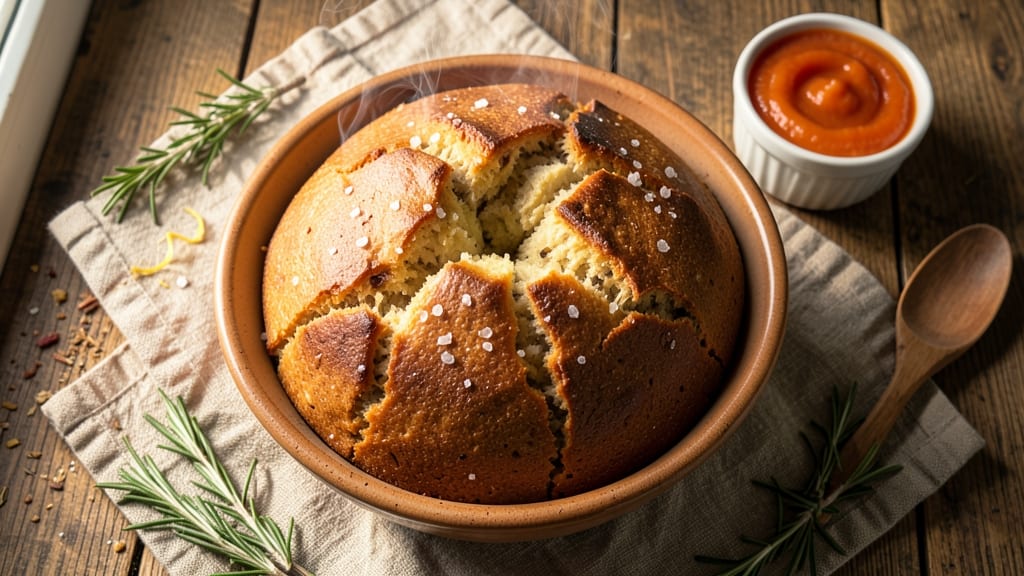
This applesauce yeast bread recipe transforms traditional breadmaking with a healthier twist—using unsweetened applesauce to replace fat while keeping every slice impossibly tender. The secret lies in balancing moisture and structure, creating a loaf with warm spice notes and subtle apple cider depth that rivals artisanal sourdough.
I developed this recipe after years of experimenting with whole-grain breads, and the applesauce substitution was the game-changer that finally delivered light, airy results without denseness.
The process begins with a simple yeast activation, where warm water and sugar kickstart the fermentation. From there, the dough comes together with just 5 ingredients—flour, applesauce, yeast, salt, and spices—mixed until the applesauce transforms into a silky binder.
The kneading technique is critical here: we work the dough until it develops elasticity, ensuring a proper gluten structure that holds up during baking. Proofing times are generous to allow full flavor development, with the applesauce adding natural sweetness that caramelizes beautifully in the oven.
What makes this bread truly special is its texture—crusty on the outside, soft and moist on the inside, with a subtle apple aroma that lingers in every bite.
The applesauce doesn’t just replace oil; it enhances the bread’s tenderness while contributing a gentle sweetness that pairs perfectly with cinnamon or cardamom. Baked at 375°F until golden, this loaf stays fresh for days, making it ideal for breakfast toast, sandwiches, or simply enjoyed with butter straight from the oven.
For those new to yeast breads, don’t let the applesauce substitution intimidate you—this recipe is foolproof with clear instructions for each stage. Whether you’re looking to reduce fat in your diet or simply want to try something new, this warm, spiced loaf delivers restaurant-quality results with minimal effort.
Let’s get started on creating your perfect batch.
Ingredients for applesauce yeast bread
Five core ingredients plus spices create this tender, spiced applesauce loaf that rivals artisanal bread.
| Ingredient | Amount | Notes |
|---|---|---|
| Unsweetened Applesauce 🍎 | ½ cup | Smooth, unsweetened variety preferred |
| Active Dry Yeast 🍞 | 2 ¼ tsp | Freshly opened for best results |
| Granulated Sugar 🍚 | 1 tbsp | For yeast activation |
| Warm Water 💧 | ½ cup | 110°F for yeast activation |
| All-Purpose Flour 🌾 | 4 cups | Plus 1 tbsp for dusting |
| Diamond Crystal Kosher Salt 🧂 | 1 ½ tsp | Fine grain preferred |
| Ground Cinnamon 🌿 | 1 tsp | For warm spice depth |
| Ground Cardamom 🌿 | ½ tsp | Optional for complexity |
| Apple Cider Vinegar 🍏 | 1 tsp | For tangy brightness |
| Cornmeal 🌽 | ¼ cup | For bread pan coating |
| Egg Wash (Optional) 🥚 | 1 whole | For golden crust |
The applesauce is non-negotiable here—Muir Glen unsweetened is my go-to, but any smooth variety works. Trader Joe's carries a great organic option if you want to splurge. For the yeast, Fresh Start is my secret weapon when I'm in a rush, but active dry works fine if you give it the proper activation time. The flour should be all-purpose (not bread flour)—we're not making a baguette here, just a tender, moist loaf. King Arthur is my pantry staple, but any reliable brand will do. Pro tip: measure your flour by weight if you're feeling fancy—it's more accurate than volume.
No applesauce? Pumpkin puree at half the amount works in a pinch, but the apple flavor is what makes this recipe special. Short on cinnamon? Nutmeg at half the amount gives a similar warmth. The cardamom is optional but adds that extra layer of complexity—Penzeys sells it pre-ground if you're intimidated by whole pods. For the vinegar, Bragg is my favorite, but any apple cider vinegar will do. The egg wash is optional but gives that beautiful golden crust—skip it if you're making this vegan (though this recipe isn't).
This dough is a beast when cold but transforms beautifully when warm. Store the dough in the fridge overnight for even better flavor development—it's worth the wait. The baked loaf keeps for 4-5 days at room temperature wrapped in a towel, or 1 week in the fridge. For longer storage, slice and freeze—it reheats perfectly in the toaster. I always make two batches: one for immediate eating and one to freeze for lazy mornings. The crust stays crisp for about 2 days if you're not a fan of soft breads.
Why You'll Love This Recipe
- No-Fuss Mix-In: Mixing the dough feels like stirring a hug—just applesauce, flour, and yeast. The applesauce replaces oil, so no sticky fingers or extra bowls to scrub.
- Sweet & Soft Magic: That first bite? Warm, pillowy crust with a whisper of caramelized applesauce sweetness. It’s like a cinnamon roll’s milder, grown-up cousin—no sugar crash, just pure comfort.
- Leftovers That Last: Slices toast perfectly the next day, or freeze half for lazy mornings. My kids grab it straight from the freezer for school lunches—zero reheating needed.
- Pantry Staple Power: Uses what you already have (check your cabinets for applesauce!). Budget-friendly, no weird ingredients, and the yeast does all the work while you sip coffee.
Step-by-step instructions for warm spice-infused applesauce bread
This method delivers a tender, aromatic loaf with a perfect balance of sweet and tangy flavors.
Activate the Yeast with Applesauce Mixture
In a small bowl, combine the 0.5 cup unsweetened applesauce, 1 tbsp granulated sugar, and 0.5 cup warm water (around 110°F). Stir until the sugar fully dissolves. Sprinkle the 2.25 tsp active dry yeast over the mixture and let it sit for 5-10 minutes until it becomes frothy and bubbles form on the surface.
This step is crucial because the yeast needs time to activate properly. If you don't see bubbles after 10 minutes, your yeast might be old or the water was too hot. In that case, start fresh with new yeast and slightly cooler water (105°F). The applesauce adds natural sweetness and moisture, which helps create a tender crumb.
Mix the Dough with Spices and Vinegar
In a large mixing bowl, whisk together the 4 cups all-purpose flour, 1.5 tsp diamond crystal kosher salt, 1 tsp ground cinnamon, and 0.5 tsp ground cardamom. Make a well in the center and pour in the yeast-applesauce mixture along with the 1 tsp apple cider vinegar. The vinegar adds a subtle tang that brightens the flavors and helps develop gluten.
Using a wooden spoon or dough whisk, stir until a shaggy dough forms. Then, turn it out onto a lightly floured surface and knead for 8-10 minutes until smooth and elastic. The dough should be slightly sticky but not wet—if it's too dry, add 1 tsp water at a time. The spices will infuse deeply during kneading, creating that warm, aromatic profile we're after.
First Rise for Flavor Development
Lightly coat a large bowl with oil and place the dough inside. Cover with a damp kitchen towel or plastic wrap and let it rise in a warm spot for 1-1.5 hours, or until it has nearly doubled in size. You'll know it's ready when you poke it gently and the indentation stays.
During this time, the yeast ferments and the dough develops structure. The applesauce keeps it moist while the spices mellow out, creating a harmonious flavor base. If your kitchen isn't warm enough, place the bowl near a turned-off oven with the light on or use a proofing box set to 78°F. Patience here ensures a light, airy texture.
Shape, Second Rise, and Prepare the Pan
Punch down the dough to release air, then divide it into two equal portions. Shape each into a smooth, round loaf. For the pan, lightly grease an 8x4-inch loaf pan and sprinkle the bottom with 0.25 cup cornmeal. This prevents sticking and adds a subtle crunch to the crust.
Place the shaped loaves seam-side down into the pan, cover with the damp towel, and let them rise for another 45-60 minutes until they've expanded to fill about 75% of the pan. The second rise is shorter but just as important—it ensures the bread doesn't collapse when baked. Preheat your oven to 375°F during this final rise to maximize oven spring.
Bake to Golden Perfection
Bake the loaves for 30-35 minutes until they're golden brown on top and the internal temperature reaches 190-200°F. For an extra-shiny crust, brush the tops with the 1 whole egg wash (optional) right before baking. The egg wash creates a beautiful sheen and adds a delicate crispness.
When done, the bread should sound hollow when tapped on the bottom. Let it cool in the pan for 10 minutes, then transfer to a wire rack. The warmth of the pan helps set the crumb while preventing sogginess. Slice while still slightly warm for the best texture—each bite should be tender with a subtle chew, infused with warm cinnamon, cardamom, and that bright apple cider tang.
Pro Tips For Making Applesauce Yeast Bread
- Use Room-Temp Applesauce: Cold applesauce from the fridge slows yeast activity—yeast hates that. Pop the jar in warm water for 10 minutes first, then mix it into the dough. I learned this the hard way when my first batch took three hours to rise instead of 1-2.
- Bloom Yeast First: Skip mixing yeast with flour right away—first dissolve it in warm water (110°F) with sugar for 5-10 minutes until frothy. This guarantees it’s active before meeting the applesauce, which can be a yeast party-killer if the yeast is asleep.
- Knead Less, Stretch More: Applesauce makes dough sticky and weak, so traditional kneading turns it into glue. Instead, do 3-4 gentle "windowpane tests": stretch a small piece until it’s translucent. Overworking = dense bread.
- Proof Until Doubled, Then Doubled Again: Yeast + applesauce = slower rise. Let the dough proof until it fully fills the bowl, then wait another 20-30 minutes before shaping. Underproofed bread collapses like a sad soufflé—trust the extra time.
Essential equipment for this recipe
Must-Have Mixing Tools
Start with a large mixing bowl (I use 5-quart stainless steel from OXO) for combining dough ingredients—the extra space prevents spills when the sticky applesauce dough rises. A wooden spoon or dough whisk helps distribute the applesauce evenly without overmixing.
For kneading, dough claws (like Lekue’s silicone tools) save your knuckles while ensuring proper gluten development. 💪
Proofing Essentials
A proofing box (like Breville Smart Oven) maintains 78°F consistency, but a DIY solution works too: place your dough bowl in a turned-off oven with the light on.
I also recommend a digital thermometer (such as Thermoworks Thermapen) to monitor water temps during yeast activation—110°F is critical for proper yeast performance.
Pan Prep Supplies
An 8x4-inch loaf pan (I prefer Nordic Ware Stoneware) creates that classic shape, but any similar size works. Cornmeal (not flour!) prevents sticking—Bob’s Red Mill is my go-to brand.
For shaping, a bench scraper (like Jamie Geller’s) helps divide dough cleanly. The egg wash (if using) needs a pastry brush—Weston Stages makes a great one.
Baking Gear
Your oven thermometer (I use Thermoworks Oven Thermometer) ensures 375°F accuracy—applesauce bread is forgiving, but precision prevents overbrowning. A wire cooling rack (like OXO’s Good Grips) keeps the bottom crust crisp. For storage, beeswax wraps (from Etsy’s Bee’s Wrap) preserve freshness better than plastic.
Budget-Friendly Swaps
No proofing box? Use a coffee thermos filled with hot water (78°F) to create a warm environment. A plastic wrap works just as well as a damp towel for covering dough.
For the pan, lightly greased aluminum foil replaces cornmeal in a pinch. My $20 kitchen scale (Ozeri Touch) measures flour by weight—game-changing for consistency!
Nutrition facts
Frequently asked questions about applesauce yeast bread
Can I substitute applesauce for oil in other yeast bread recipes?
Yes, but with caution! This recipe works because it's designed specifically for applesauce's moisture content and natural sweetness. For other recipes, use ¼ cup unsweetened applesauce per ½ cup oil and reduce other liquids slightly to prevent a gummy texture. The applesauce adds moisture but lacks fat's structural role, so expect a softer crumb.
Why does my applesauce bread turn out dense instead of light?
Dense bread usually means one of three things: underproofed dough, overmixed batter, or insufficient kneading. Make sure your dough rises until it nearly doubles in size during both proofing stages. Also, knead for the full 8-10 minutes to develop proper gluten structure. If using store-bought applesauce with added sugar, reduce the granulated sugar by ½ tsp to balance sweetness.
How do I store applesauce bread to keep it fresh?
Wrap the cooled loaf tightly in a clean kitchen towel or beeswax wrap, then store at room temperature for up to 4-5 days. For longer storage, slice and freeze individual portions—they reheat beautifully in a toaster. The applesauce helps preserve moisture better than traditional oil-based breads, but it's still best enjoyed fresh.
Can I make this bread without cardamom?
Cardamom adds depth but isn't essential. For a simpler version, omit it entirely or substitute with ½ tsp nutmeg or ginger for warmth. The cinnamon remains the star spice, creating that familiar comforting flavor. If you want extra apple flavor, add ½ tsp apple pie spice instead.
What's the best way to reheat sliced applesauce bread?
For crispy toast, use a toaster or toaster oven at 375°F for 2-3 minutes. For softer slices, warm in a 350°F oven for 5-7 minutes wrapped in foil. The applesauce keeps it moist even when reheated, but avoid microwaving—it makes the bread gummy. A quick broil for 1 minute** gives that fresh-baked appeal!