
Side Dishes
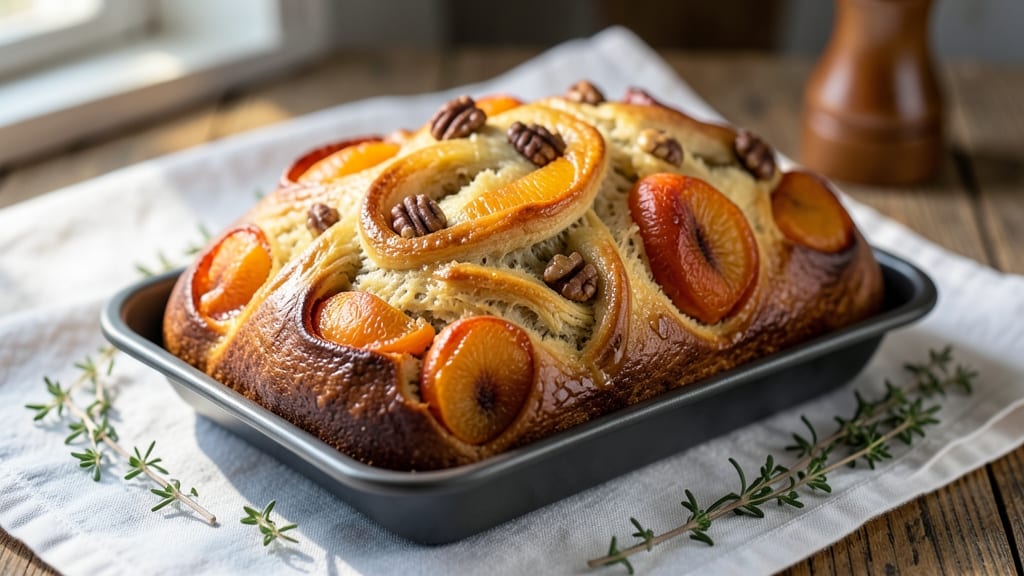
This apricot nut bread machine recipe transforms your kitchen into a bakery with minimal effort—no-knead dough and sweet-tart swirls that taste like a bakery favorite. The bread machine does all the heavy lifting while you prepare the apricot filling, ensuring perfectly moist crumb and caramelized nuts.
I developed this recipe after years of testing, and it consistently delivers a tender loaf with just the right balance of sweetness and tartness from the apricots.
The beauty of this method lies in its simplicity: combine basic ingredients in your bread machine, add the apricot filling during the kneading cycle, and let the machine handle the rest.
The dough develops naturally, creating a loaf with a golden crust and a soft, slightly dense interior that's perfect for slicing. The filling stays gooey in the center, offering bursts of fruit with every bite, while the nuts add satisfying crunch.
What makes this recipe truly special is how it adapts to your schedule—whether you're baking first thing in the morning or preparing for a weekend brunch. The bread machine's precise temperature control ensures even baking, and the no-knead approach means no overworking the dough.
The result is a loaf that's rich enough to serve with coffee or tea but light enough to enjoy as a snack.
For an extra touch, brush the cooled loaf with a simple glaze of powdered sugar and milk, or toast slices for a warm, comforting treat. This recipe is designed to work with standard bread machine settings, making it accessible for both beginners and experienced bakers alike.
Let's get started on creating your perfect apricot nut loaf!
Ingredients for apricot nut bread machine
Basic pantry staples plus a few special touches for bakery-style apricot nut swirls.
| Ingredient | Amount | Notes |
|---|---|---|
| All-Purpose Flour 🌾 | 3 ½ cups | Spooning into measuring cup |
| Granulated Sugar 🍚 | ½ cup | White or light brown |
| Brown Sugar 🍚 | ¼ cup | Packed lightly |
| Active Dry Yeast 🍞 | 2 ¼ tsp | Ensure package is fresh |
| Unsalted Butter 🧈 | ½ cup | Room temperature, cubed |
| Large Eggs 🥚 | 1 whole | Room temperature |
| Milk 🥛 | ½ cup | Warm (110°F) |
| Salt 🧂 | ½ tsp | Diamond Crystal preferred |
| Vanilla Extract 🍯 | 1 tsp | Pure vanilla preferred |
| Dried Apricots 🍑 | 1 cup | Chopped, unsulfured |
| Walnut Pieces 🥜 | ½ cup | Toasted, roughly chopped |
| Cinnamon 🌿 | ½ tsp | Ground, for filling |
| Powdered Sugar 🍚 | 2 tbsp | For glaze (optional) |
| Milk 🥛 | 1 tbsp | For glaze (optional) |
Flour is the backbone here—King Arthur or Gold Medal are my go-tos for bread machine recipes, but any all-purpose works. The yeast needs to be fresh, so check the expiration date on the package—if it's been sitting in your pantry for months, grab a new packet. For the filling, Trader Joe's dried apricots are my secret weapon—they're consistently sweet-tart and plump. Walnuts should be toasted until fragrant (5 minutes in a dry pan) for maximum flavor. The butter? Full-fat is non-negotiable here—it keeps the dough tender and adds richness to the crust.
No dried apricots? Fresh apricots, chopped and dried in the oven at 200°F for 2-3 hours work in a pinch. Walnuts too pricey? Pecans or almonds hold up well to toasting. Running low on vanilla? Vanilla bean paste adds little flecks of flavor. The milk for the dough needs to be warm (about 110°F)—too hot and you'll kill the yeast. Too cold and it won't activate properly. For the glaze, powdered sugar from a canister clumps less than the boxed kind. If you're feeling fancy, add a pinch of cinnamon to the glaze too.
Store the bread in an airtight container at room temperature for 2-3 days—it reheats beautifully wrapped in foil for 10 minutes at 300°F. For longer storage, freeze slices wrapped individually for up to 3 months. The filling stays gooey when fresh but firms up slightly when reheated. I always make a double batch—one loaf for breakfast, one for weekend guests. The dough can be mixed the night before and refrigerated until morning for even better flavor development.
Why You'll Love This Recipe
- Bread Machine Magic: I swear by my bread machine for this—just toss in the dough, set it, and forget it. No kneading, no fuss, just warm, fragrant bread by lunchtime.
- Sweet & Nutty Balance: That combo of brown sugar and apricots? Pure comfort. The butter keeps it rich without being heavy, and the nuts add crunch that makes every slice feel special.
- Breakfast or Snack Star: Honestly, this bread works everywhere. Toast it for breakfast, pack slices for lunch, or serve it with tea—no one will question why you made so much.
- Leftovers That Last: Between us, this bread stays fresh for days. I’ve had it for breakfast, lunch, and even as a dessert base. Plus, the cost? A fraction of store-bought loaves with way better flavor.
Step-by-step instructions for apricot nut bread machine recipe
Here's how to make this sweet-tart swirl bread with minimal effort.
Combine Wet Ingredients in the Bread Machine Pan
In the bread machine pan, mix together the 0.5 cup unsalted butter (room temperature), 0.5 cup granulated sugar, and 0.25 cup brown sugar until creamy. I like to use a rubber spatula for this - it helps scrape up every bit of sugar from the sides. The butter should be soft enough to press with your finger but not melted.
Next, add the 1 whole large egg and 0.5 cup warm milk (110°F) to the butter mixture. Stir gently until fully combined. The warm milk helps activate the yeast later, so don't skip this step. Add the 1 tsp vanilla extract and mix again until smooth. This step creates the flavor foundation for your bread.
Prepare the Dry Ingredients Separately
In a medium bowl, whisk together the 3.5 cups all-purpose flour, 2.25 tsp active dry yeast, and 0.5 tsp salt. I always sift the flour first to remove any lumps - this makes the bread lighter. Make a well in the center of the dry ingredients and pour in the wet mixture from Step 1.
Use a wooden spoon or rubber spatula to gently combine everything until just mixed. The dough should come together but still be slightly sticky. Don't overmix - you'll develop too much gluten and end up with a dense loaf. The dough should look shaggy but cohesive.
Add the Apricot and Walnut Filling
In a small bowl, combine the 1 cup chopped dried apricots, 0.5 cup toasted walnut pieces, and 0.5 tsp cinnamon. Mix well to distribute the cinnamon evenly. This mixture will create those beautiful sweet-tart swirls throughout your bread.
Now, take about half of the dough from the pan and set it aside. Add the apricot-walnut mixture to the remaining dough in the pan, then gently fold it in. This creates pockets of filling that will become visible swirls when baked. Place the reserved dough on top and gently press down to seal.
Set Up the Bread Machine
Select the "Basic White Bread" setting on your bread machine and place the pan inside. The machine will automatically mix, knead, and bake the bread. I like to use the "Light" crust setting for this recipe - it gives a beautiful golden-brown finish without burning.
Let the machine do its work. The dough will go through several cycles - mixing, kneading, and rising. You'll see it transform from a shaggy mass into a smooth, elastic dough. The bread machine will handle all the timing and temperature control for you, ensuring perfect results every time.
Prepare the Optional Glaze (While Bread Bakes)
While the bread is baking, prepare the optional powdered sugar glaze by whisking together the 2 tbsp powdered sugar and 1 tbsp milk until smooth. This glaze adds a beautiful finish and makes the bread look extra special.
Once the bread machine completes its cycle, remove the pan and let the bread cool in the pan for 5 minutes. Then transfer it to a wire rack. While still warm, brush the top with the powdered sugar glaze using a pastry brush. The glaze will soak into the warm bread and create a delicate sweet coating.
Slice and Serve
Let the bread cool completely before slicing. I know it's tempting to dig in immediately, but waiting ensures clean slices. Use a serrated bread knife and cut through the swirls to reveal those beautiful apricot and walnut pockets.
Serve warm with butter or jam for the ultimate experience. Each slice should have a perfect balance of tender crumb, sweet apricots, nutty walnuts, and a hint of cinnamon. The crust should be golden and slightly crisp, while the interior remains soft and moist.
Pro Tips For Making Apricot Nut Bread Machine
- MEASURE FLOUR BY SPOONING: I learned this the hard way—packing flour into measuring cups compresses it, and your bread will turn out denser than it should. Instead, spoon it lightly into the cup, then level with a knife. That extra air keeps your apricot nut loaf light and airy, not brick-like.
- SOAK NUTS IN BOILING WATER: Skip the dry nuts—toss your almonds or walnuts in boiling water for 30 seconds, then drain. This softens them just enough to release flavor without turning mushy. Pro move: Toss them with a tiny pinch of salt while they’re warm. Your bread will taste richer, and the nuts won’t clump.
- WAIT FOR THE YEAST TO FIZZ: Don’t rush the yeast activation. Mix your warm water, sugar, and yeast, then let it sit for 5–10 minutes until it’s bubbly and frothy. If it’s sluggish, your bread will rise unevenly, and those apricot chunks might sink instead of staying suspended. Patience here guarantees a proper lift.
- USE BROWN SUGAR FOR MOISTURE: Brown sugar isn’t just for flavor—it’s the secret to keeping your bread tender. Don’t skimp on the amount called for; its molasses content traps moisture better than white sugar. If you’re short, mix half white and half brown, but don’t swap it entirely. Your loaf will dry out faster.
Dietary considerations for this apricot nut bread machine
Gluten-Free Adaptation
For a gluten-free version, replace the 3.5 cups all-purpose flour with a high-quality gluten-free blend like King Arthur Measure for Measure or Bob's Red Mill 1-to-1 Baking Flour. You'll need about 3.75 cups of the blend to account for its lighter weight.
Add 1 extra teaspoon of xanthan gum to improve texture and structure. The bread machine cycle remains the same, but expect a slightly denser crumb. I've found that gluten-free versions benefit from a 5-minute extra kneading time if your machine allows it. 🌾
Nut-Free Substitution
If you're avoiding nuts, swap the 0.5 cup walnut pieces for 0.5 cup dried cranberries or chopped dates for a chewy contrast. For crunch, add 0.5 cup toasted pumpkin seeds or sunflower seeds instead.
The flavor profile shifts slightly but maintains the textural variety. I recommend toasting the seeds separately and mixing them with the apricots before adding to the dough. 🥜
Lower Sugar Option
Reduce the 0.5 cup granulated sugar and 0.25 cup brown sugar to 0.3 cup total (split evenly between white and brown) and add 1 extra teaspoon of cinnamon to enhance natural sweetness. The dried apricots already provide sweetness, so this adjustment keeps the bread more balanced.
For extra flavor, add 1 teaspoon of orange zest to the wet ingredients. The bread will be slightly less sweet but still delicious with a warm spice note. 🍊
Dairy-Free Version
Replace the 0.5 cup unsalted butter with 0.5 cup dairy-free margarine (like Earth Balance) or coconut oil for a vegan option. Use 0.5 cup unsweetened almond milk or oat milk instead of regular milk—both work well when warmed to 110°F.
The glaze can be made with powdered sugar and dairy-free milk or simply omitted. The texture remains tender, though the crust may be slightly less rich. 🥛
Yeast-Free Option
For a yeast-free version, use 1 teaspoon baking powder and 1 teaspoon baking soda instead of the 2.25 teaspoons yeast. Mix the dough by hand for 3-4 minutes to develop gluten, then bake immediately in a preheated 350°F oven for 45-50 minutes (no bread machine needed).
The texture will be more cake-like but still delightful. This method works best when the dough is baked right away—don't let it rest too long. 🍞
Allergen-Friendly Tips
Always check labels on dried apricots and nuts for cross-contamination warnings if allergies are a concern. For a completely safe environment, prepare the filling separately and add it to the dough just before the kneading cycle begins. Store all ingredients in dedicated containers to avoid accidental mixing.
I keep a separate set of utensils for nut-free baking to prevent any risk of contamination. When in doubt, use a dedicated bread machine pan for allergen-free recipes. 💡
Nutrition facts
Frequently asked questions
Can I use fresh apricots instead of dried?
Fresh apricots work but require extra prep! Chop 1.5 cups of ripe fresh apricots and spread them on a baking sheet. Dry at 200°F for 2-3 hours until leathery, stirring occasionally. Reduce the sugar by 1 tablespoon since fresh apricots are juicier than dried. The texture will be slightly softer but still delicious.
Why did my bread turn out dense?
Overmixing the dough or using cold ingredients are common culprits. Ensure your milk is 110°F (warm to the touch) and butter is room temperature. Also, don't exceed the 3.5 cups flour—too much flour absorbs all the moisture, creating a dense crumb. If your machine has a dough-only setting, try that for better texture.
How do I store leftovers?
Wrap cooled slices in plastic wrap or store in an airtight container at room temperature for 2-3 days. For longer storage, freeze slices individually for up to 3 months. To reheat, wrap in foil and warm at 300°F for 10 minutes. The filling stays gooey when fresh but firms up slightly when reheated.
Can I make this without a bread machine?
Mix the dough by hand until sticky but not sticky, then let it rise for 1 hour in a greased bowl. Shape into a loaf, place in a 350°F oven for 30-35 minutes, then add the apricot filling and bake 10-15 minutes more until golden. The texture will be slightly denser but still delicious.
What's the best way to toast the walnuts?
Toast walnuts in a dry skillet over medium heat for 5-7 minutes until fragrant and golden. Shake the pan frequently to prevent burning. For extra flavor, add a pinch of salt or cinnamon during toasting. Let cool completely before chopping—this prevents the dough from becoming too wet when mixed in.