
Side Dishes
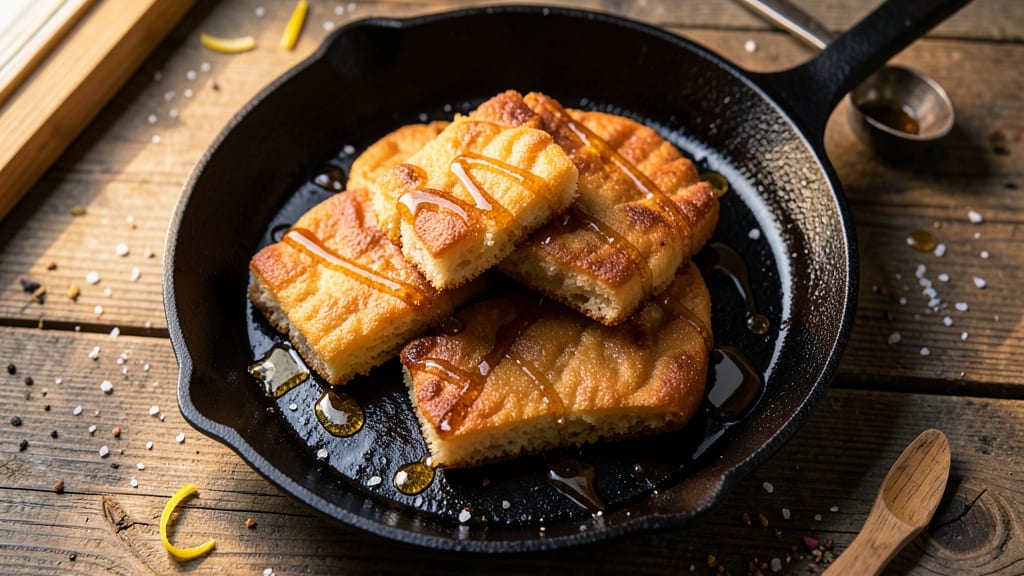
Arizona fry bread delivers that perfect balance of crispy edges and pillowy centers—just like the Navajo tradition intended. The secret lies in using lard for frying, which creates an unmatched golden crust while keeping the inside tender. This recipe honors cultural roots while being simple enough for weeknight meals.
The dough comes together with just four ingredients: flour, water, salt, and a pinch of baking powder for that signature lift. After shaping into rounds, frying in hot lard transforms them into golden, slightly puffed delights.
The key is maintaining oil temperature—too cool, and they absorb grease; too hot, and they brown too quickly.
What you'll end up with is a crispy, slightly puffed bread that's perfect for serving with honey, jam, or savory toppings like refried beans and cheese. The aroma alone will bring back memories of family gatherings, while the texture delivers that satisfying contrast of crunchy exterior and soft interior.
Whether you're making it for a special occasion or a casual meal, this fry bread is a versatile staple that pairs beautifully with both sweet and savory dishes. Let's get started on creating this cultural classic in your own kitchen.
Ingredients for arizona fry bread
Four simple ingredients plus the golden secret of lard for that perfect Navajo-style fry bread.
| Ingredient | Amount | Notes |
|---|---|---|
| All-Purpose Flour 🌾 | 2 cups | Sifted for light texture |
| Water 💧 | ¾ cup | Room temperature preferred |
| Salt 🧂 | 1 tsp | Kosher or sea salt |
| Baking Powder 🍞 | 1 tsp | Ensures proper rise |
| Lard 🧈 | 2 cups | Leaf lard preferred (not vegetable oil) |
| Honey 🍯 | ¼ cup | For serving (optional) |
| Powdered Sugar 🍚 | ¼ cup | For dusting (optional) |
Lard is non-negotiable here—it's what gives fry bread that signature crispy-yet-tender texture. Leaf lard (the kind used for baking) melts smoothly and has a cleaner flavor than regular pork lard. Most grocery stores sell it near the baking supplies, or grab it from Costco if you're making a big batch. If you can't find leaf lard, shortening works in a pinch, but it won't be quite the same. The flour should be all-purpose, not self-rising—adding baking powder handles the leavening. Sift it first for that light, airy dough. For the water, room temperature is ideal, but tap water works fine if that's what you've got.
No lard? Vegetable shortening or ghee can stand in, though neither will give you that authentic taste. Short on baking powder? Baking soda plus cream of tartar makes a 1:1 substitute. The dough should be just slightly sticky—add a splash more water if it's too dry, but don't overdo it or the bread will be dense. For shaping, roll into about 4-inch rounds, keeping them roughly the same size so they cook evenly. The key is frying in batches—don't overcrowd the pan, or the temperature will drop and your bread will turn greasy instead of crispy.
Fry bread reheats beautifully—just pop it in a 350°F oven for 5-10 minutes until crispy again. Store leftovers in an airtight container at room temperature for 2 days, or freeze for up to 3 months between layers of parchment. The best part? These freeze perfectly, so you can make a big batch and pull them out whenever you're craving that sweet, savory comfort. Serve warm with honey, jam, or your favorite toppings—just don't skip the dusting of powdered sugar if you're feeling fancy.
Why You'll Love This Recipe
- Here’s what sold me: that golden, shatteringly crisp edge with a pillowy center—like a hug from the stove. The lard keeps it rich without needing butter or oil, and the baking powder gives it just enough lift to feel special.
- Five-Ingredient Miracle: I swear by this—just flour, water, salt, baking powder, and lard. That’s it. No fancy pantry raids, no last-minute grocery runs. The dough comes together faster than I can set the skillet on medium heat.
- Crispy-Creamy Magic: Here’s what sold me: that golden, shatteringly crisp edge with a pillowy center—like a hug from the stove. The lard keeps it rich without needing butter or oil, and the baking powder gives it just enough lift to feel special.
- Breakfast to Dessert: Honestly, I make this for everything. Scrambled eggs on top for breakfast, honey and cinnamon for a quick dessert, or even stuffed with beans and cheese for a hearty lunch. My kids grab them straight out of the pan like they’re nachos.
Step-by-step instructions for Arizona fry bread
Here's how to make that iconic, golden-crispy fry bread with a light, airy center.
Mix the Dough with Lard for Maximum Flavor
In a large mixing bowl, combine the 2 cups all-purpose flour, 1 teaspoon salt, and 1 teaspoon baking powder. Sift the flour mixture to create a light, airy base for your fry bread. Make a well in the center and add the 2 cups lard. Using a wooden spoon or your hands, gradually incorporate the lard into the flour mixture until you have a coarse, crumbly texture.
This is where the magic happens—using lard instead of oil gives that authentic, rich flavor and crispy texture. Once the mixture resembles coarse sand, slowly pour in the ¾ cup room-temperature water while stirring with a wooden spoon. Mix until the dough begins to come together but still feels slightly dry and shaggy. Don't overmix; you want to maintain a rustic, uneven texture that creates those beautiful air pockets when fried.
Knead and Shape the Dough for Perfect Rise
Turn the dough out onto a lightly floured surface and knead it gently for about 1-2 minutes until it forms a smooth, cohesive ball. The dough should be soft but not sticky—if it's too sticky, add a little more flour, 1 tablespoon at a time, until it comes together nicely. Divide the dough into 4 equal portions (about ½ cup each) and roll each portion into a ball.
Here's the thing—don't overwork the dough or it'll become tough. You want to keep it loose and airy. Let the dough balls rest at room temperature for 10-15 minutes while you heat your oil. This resting period helps the gluten relax, ensuring your fry bread turns out light and fluffy rather than dense.
Fry to Golden Perfection in Hot Oil
Heat 2-3 inches of vegetable oil in a deep skillet or Dutch oven over medium-high heat until it reaches 350°F. You'll know it's ready when a small piece of dough sizzles vigorously when dropped in. Working with one dough ball at a time, gently flatten it into a ½-inch thick circle (about 6 inches in diameter).
Carefully place the flattened dough into the hot oil and fry for 2-3 minutes per side until it turns a beautiful golden brown color. The edges should be crispy while the center remains slightly soft—this is what gives fry bread its perfect texture. Use a slotted spoon to flip the bread carefully, letting any excess oil drip off before returning it to the oil. Keep the fried bread on a paper towel-lined plate to drain excess oil as you fry the remaining dough balls.
Serve Warm with Classic Toppings
While still warm, brush the fried bread with a little honey or dust it lightly with powdered sugar for that sweet, traditional finish. The bread should be crispy on the outside with a soft, pillowy interior. Serve immediately—fry bread is best enjoyed fresh out of the oil when it's at its crispiest.
This is where you can get creative! Traditional toppings include honey, powdered sugar, or even a smear of butter. For a savory twist, try adding a sprinkle of salt or serving with refried beans and melted cheese. The key is keeping it warm until you're ready to serve—once it cools, that perfect crispiness starts to fade.
Pro Tips For Making Arizona Fry Bread
- Use Cold Lard: I learned this the hard way—warm or melted lard makes the dough greasy and hard to handle. Keep that block of lard straight from the fridge until you’re ready to cut it into cubes, and your dough will stay workable and light.
- Fry in Batches: Crowding the pan is how you end up with soggy, unevenly cooked bread. Use a 10-inch skillet and fry no more than 2-3 rounds at a time, turning once when the bottom is golden and crisp. Your future self will thank you.
- Mix Just Until Combined: Overworking the dough kills the baking powder’s lift. Stir the dry ingredients into the wet just until a shaggy dough forms—no need to knead or smooth it out. Rough edges mean better texture.
- Salt the Water: Skipping this step means bland bread, especially if you’re using unsalted lard. Dissolve the salt directly into the water before mixing—it dissolves the flour better and seasons the dough evenly. No excuses.
Regional styles of this arizona fry bread
Navajo Tradition
The roots of Arizona fry bread run deep in Navajo culture, originally created during the Long Walk of the Navajo in the 1860s. When forced onto reservations, the Navajo people adapted simple ingredients—flour, water, salt, and fat—to create a nourishing, portable food.
The lard was essential, as it was readily available and provided energy for long journeys. Today, it remains a symbol of resilience and cultural pride, often served at gatherings like the Navajo Nation Fair or Thanksgiving celebrations. 🏜️
New Mexico Style
In New Mexico, fry bread takes on a slightly different character, often served with honey or powdered sugar as a sweet treat. The Santa Fe-style version sometimes includes a sprinkle of cinnamon or a drizzle of chocolate sauce.
I remember my first time trying it at a local green chile breakfast—the contrast of sweet and savory was incredible. The key here is keeping the bread hot and crispy, so it doesn’t lose its texture when topped.
Texas Twist
Crossing into Texas, fry bread becomes a breakfast staple, often paired with refried beans, scrambled eggs, and sausage for a hearty meal. The Big Bend region even has a version called "Sonoran fry bread", which is thicker and sometimes brushed with butter before serving.
In Texas, it’s not uncommon to see it as a side dish at barbecue joints, where it soaks up smoky flavors beautifully. The Texas approach leans more toward savory applications, making it a versatile addition to any meal.
Modern Adaptations
Today, fry bread has evolved into a gourmet staple, with chefs putting their own spin on it. Some modern twists include stuffed fry bread (filled with cheese, jelly, or even chicken and waffles fusion), or gluten-free versions using almond flour.
I’ve even seen vegan fry bread made with coconut oil instead of lard. The beauty of this dish is its adaptability—whether you stick to tradition or experiment, the crispy, golden exterior and soft interior remain the stars. 🌟
Southwestern Fusion
In the Southwestern United States, fry bread is often incorporated into breakfast burritos or served alongside posole and tortilla soup. The Arizona-inspired version might include toppings like pico de gallo, avocado, or queso fresco.
This fusion highlights how fry bread bridges both sweet and savory traditions, making it a beloved dish at brunch spots and food festivals across the region. The key is balancing the richness of the bread with lighter, fresh toppings.
Cultural Celebrations
Fry bread isn’t just food—it’s a centerpiece at cultural events. During Powwows, it’s often served with powdered sugar and berries, while Navajo ceremonies might include it as an offering.
In Arizona, it’s a must-have at farmers' markets and food trucks, where vendors serve it with maple syrup or cinnamon sugar. The dish carries generational stories, making every bite a connection to history. 💛
Nutrition facts
Frequently asked questions
Why does traditional fry bread use lard instead of vegetable oil?
Lard creates that signature crispy-yet-tender texture and rich flavor that's central to Navajo tradition. It has a higher smoke point than butter and creates a golden crust while keeping the inside soft. For a lighter version, you can use vegetable shortening, though it won't have the same authentic taste.
Can I make fry bread without baking powder?
Yes, but it won't rise as well. Replace 1 teaspoon baking powder with ½ teaspoon baking soda plus ½ teaspoon cream of tartar for the same leavening effect. The bread will still be delicious but may be slightly denser. For extra lift, let the dough rest 20 minutes before frying.
How do I keep my fry bread from getting greasy?
Maintain oil at 350°F and fry in small batches—overcrowding drops the temperature and makes bread soggy. Use a slotted spoon to drain excess oil between flips, and keep fried bread on paper towels. For extra crispiness, fry just until golden (about 2-3 minutes per side).
What's the best way to reheat leftover fry bread?
Pop it in a 350°F oven for 5-10 minutes until crispy again. For microwave reheating, wrap in a damp paper towel and heat for 10-15 seconds—this adds moisture without making it soggy. Never reheat in the fridge, as it loses crispiness when cold.