
Breakfast & Brunch
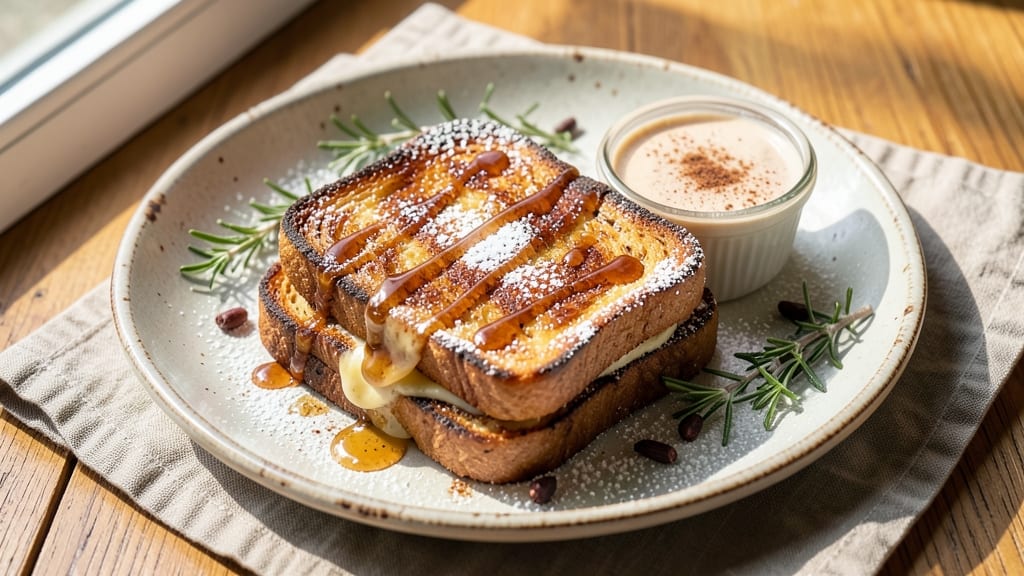
Artisan bread French toast transforms stale loaves into a masterpiece of crispy-golden crunch and velvety custard—this isn’t your basic diner version. The secret lies in the bread’s airy, chewy crumb that soaks up the custard while developing a caramelized crust that shatters with every bite. I’ve perfected this technique after years of testing, and the results are restaurant-quality without the fuss.
This recipe starts with a simple yet transformative custard—eggs, cream, and a touch of vanilla—infused with warm spices like cinnamon and nutmeg for depth.
The key is cutting the artisan bread into ½-inch thick slices and toasting them lightly before dipping, which ensures they hold their shape while absorbing just enough custard to create that perfect custard-to-bread ratio.
Pan-frying in butter until golden-brown delivers that coveted crunch, while baking offers a hands-off alternative for crispy edges.
What sets this apart is the texture contrast: a shatteringly crisp exterior gives way to a custardy interior that’s rich yet not overly sweet. The artisan bread’s character—whether sourdough, brioche, or a rustic whole grain—adds layers of flavor that store-bought bread simply can’t match.
Serve with maple syrup, fresh berries, or a dusting of powdered sugar for a dish that feels indulgent yet balanced.
Perfect for brunch, weekend breakfasts, or even a decadent dessert, this French toast is versatile enough to adapt to any occasion. The method is foolproof, and the results are undeniably impressive—ideal for impressing guests or treating yourself to a luxurious morning. Let’s get started on creating this showstopper.
Ingredients for artisan bread french toast
Transform stale artisan bread into restaurant-quality French toast with these premium ingredients.
| Ingredient | Amount | Notes |
|---|---|---|
| Artisan Bread Loaf 🍞 | 1 whole | Stale or lightly toasted, crust removed |
| Large Eggs 🥚 | 4 whole | Room temperature, separated |
| Heavy Cream 🥛 | 1 cup | Full-fat for richness |
| Vanilla Extract 🌿 | 1 tsp | Pure, high-quality vanilla |
| Granulated Sugar 🍚 | ¼ cup | Adjust to taste |
| Ground Cinnamon 🌶️ | 1 tsp | Freshly ground preferred |
| Ground Nutmeg 🌶️ | ¼ tsp | Freshly grated for depth |
| Unsalted Butter 🧈 | 4 tbsp | European-style preferred |
| Pure Maple Syrup 🍁 | ¼ cup | Grade A or B for flavor |
| Diamond Crystal Kosher Salt 🧂 | ½ tsp | Fine grain preferred |
| Fresh Berries 🍓 | 1 cup | For garnish, optional |
| Powdered Sugar 🍚 | 2 tbsp | For dusting, optional |
The bread is non-negotiable—artisan loaves with a chewy crumb and open crumb structure deliver the best texture. Breads like sourdough or brioche work best, and I recommend grabbing from a local bakery or specialty store like Whole Foods or Breads Bakery. If using stale bread, revive it by toasting lightly before slicing. For the custard, European-style butter adds a richer flavor, while Grade A maple syrup ensures authentic sweetness without overpowering the dish. Freshly ground spices make all the difference—pre-ground spices lose potency quickly.
No heavy cream? Full-fat coconut milk works in a pinch, though texture will differ slightly. Substitute vanilla extract with vanilla bean paste for extra depth, or use almond extract at half the amount. For a less sweet version, reduce sugar to 2 tablespoons and add 1 teaspoon lemon zest. The berries can be swapped for fresh figs or sliced bananas, depending on seasonality. If you prefer a baked version, use 1/2 cup extra egg whites for a lighter texture, but pan-frying yields that coveted crispy crust.
Store leftover custard mixture in an airtight container in the fridge for up to 3 days. Bread slices can be prepped ahead and kept in the freezer for 1 month, but toast lightly before dipping to restore texture. For best results, assemble and cook immediately. The French toast reheats beautifully—simply pan-fry or bake until golden. Portion maple syrup into small jars for easy serving, and keep powdered sugar in a shaker for quick dusting. This dish is best served fresh but reheats well for a quick breakfast.
Why You'll Love This Recipe
- No Stale Bread Wasted: I swear by this trick—toss that slightly dried-out artisan loaf into the mix. The crust gets extra crispy while the inside stays pillowy, and suddenly you’ve saved money and made something better than store-bought.
- Creamy Vanilla Edge: That heavy cream and vanilla aren’t just flavor—they’re the secret to a custardy bite that makes regular French toast feel boring. Honestly, the first time I skipped the vanilla, I missed it badly.
- Breakfast or Dessert: Serve it with lemon and berries for a brunch star, or drizzle maple and cinnamon for a midnight craving. My kids ask for it after dinner more than any other dish—(yes, even on a Tuesday night).
- Leftovers? Better Than Fresh: The best part? The second day is even better. The toast firms up just enough for perfect crispiness when reheated, and the sugar caramelizes into little pockets of sweetness. I make a double batch on Sundays—no regrets.
Step-by-step instructions for artisan bread French toast
Transform stale artisan bread into a decadent, crispy-edged masterpiece with this foolproof technique.
Prepare the Custard Mixture
In a large mixing bowl, whisk together the 4 whole Large Eggs and 1 cup Heavy Cream until completely combined. Add the 1 tsp Vanilla Extract, 0.25 cup Granulated Sugar, 1 tsp Ground Cinnamon, 0.25 tsp Ground Nutmeg, and 0.5 tsp Diamond Crystal Kosher Salt. Whisk vigorously for 2-3 minutes until the mixture is smooth, pale yellow, and slightly thickened. This step ensures maximum flavor infusion and proper custard formation.
The mixture should coat the back of a spoon smoothly—this indicates proper thickening. If it's too thin, let it sit for 5 minutes while you prepare the bread. For extra richness, I like to let the custard rest for 10 minutes before dipping, allowing the eggs to slightly thicken further.
Cut and Soak the Artisan Bread
Using a serrated knife, cut the 1 whole Artisan Bread Loaf into ½-inch thick slices—the uniform thickness ensures even cooking. Arrange the slices in a single layer on a plate and brush both sides lightly with the 4 tbsp Unsalted Butter, melting slightly if needed. This butter layer creates that signature golden crust.
Quickly dip each slice into the custard mixture, allowing excess to drip off. Work efficiently—don't let the bread soak too long or it will become soggy. For optimal texture, I dip each slice just before cooking, ensuring maximum crispiness. The bread should be thoroughly coated but not drenched.
Cook to Perfect Crispy-Golden Perfection
Heat a large skillet over medium heat and melt 2 tbsp Unsalted Butter until foaming. Add the dipped bread slices and cook for 2-3 minutes per side until deep golden brown with crispy edges. The key is patience—don't rush the cooking or the exterior won't develop that satisfying crunch.
During cooking, you'll notice the edges start to brown first—that's your signal to flip. The interior should remain soft and custardy, with just a slight set. For extra flavor, I like to add 1 tbsp Pure Maple Syrup to the pan during the last minute of cooking, basting the toast with the syrup for added richness.
Assemble and Serve Warm
Transfer the cooked French toast to a serving platter and drizzle generously with the remaining 0.15 cup Pure Maple Syrup (reserving some for garnish). While still warm, sprinkle with 2 tbsp Powdered Sugar and top with 1 cup Fresh Berries. The contrast of warm, crispy toast with cool berries creates an irresistible texture combination.
Serve immediately while the exterior remains crisp and the interior stays silky. Each piece should hold its shape well enough to stack neatly, with that perfect balance of crunchy exterior and custardy interior. The berries add a fresh, vibrant contrast that cuts through the richness beautifully.
Pro Tips For Making Artisan Bread French Toast
- Soak Slices Evenly: Artisan bread’s crust and crumb don’t absorb liquid the same way—so flip slices halfway through soaking. I learned this the hard way when my first batch turned into soggy crust and dry centers. Let them sit crust-side down first, then flip and soak another 2-3 minutes.
- Whisk Until Thick: Your egg-cream mix should coat the back of a spoon like thin custard. I used to rush this, but a properly emulsified batter clings to the bread instead of pooling in the pan. Whisk vigorously for 30 seconds—no lazy circles here.
- Skip the Overcrowded Pan: Two slices at a time is the magic number. I once stuffed four in there and ended up with steamed, greasy messes instead of golden-brown toast. Give each slice room to sizzle—your patience will pay off with crisp edges.
- Toast Before Dipping: Run your artisan loaf under a broiler for 2-3 minutes until the crust darkens slightly. This seals the bread’s moisture and prevents it from turning into a sponge. (Yes, even if you’re impatient like me—trust the process.)
Best sauces and condiments for this artisan bread french toast
Classic Maple Glaze
Start with the timeless pairing: pure Grade A maple syrup warmed in a small saucepan over low heat for 2-3 minutes until it just begins to simmer. I like to add ½ teaspoon vanilla bean paste and ¼ teaspoon ground cinnamon to deepen the flavor.
Drizzle generously over the finished French toast while still warm—the syrup will caramelize slightly, creating a glossy finish that enhances the crispy edges. 🍁
Brown Butter Sauce
For a rich, nutty twist, melt 4 tablespoons unsalted butter in a skillet over medium-high heat until it turns golden brown and releases its signature aroma. Immediately pour the brown butter over the French toast, letting it pool around the edges.
The toast will absorb the butter's flavor while maintaining its crispiness. Finish with a pinch of flaky sea salt to balance the richness.
Spiced Honey Drizzle
Combine ¼ cup raw honey with 1 teaspoon lemon juice, ½ teaspoon ground cardamom, and ¼ teaspoon cayenne pepper in a small bowl. Warm gently in the microwave for 10-15 seconds to blend the flavors.
Drizzle over the French toast and garnish with toasted pecans for crunch. This sauce adds a bright, slightly spicy contrast that cuts through the custard's richness.
Lemon-Cream Cheese Glaze
Whip 2 ounces softened cream cheese with 1 tablespoon powdered sugar and 1 teaspoon lemon zest until smooth. Thin with 1 teaspoon heavy cream if needed. Spread a thin layer on the French toast before serving, then top with sliced strawberries.
The tangy-sweet glaze adds a sophisticated touch that elevates the dish to brunch-worthy status. ✨
Chocolate-Hazelnut Spread
For a decadent dessert-like finish, spread 1 tablespoon Nutella or homemade chocolate-hazelnut spread on warm French toast. Top with chopped hazelnuts and a drizzle of melted dark chocolate. This pairing transforms breakfast into a luxurious treat—perfect for weekend indulgences. The nutty, sweet flavors complement the custard beautifully.
Balsamic Reduction
Reduce ¼ cup balsamic vinegar in a small saucepan over medium heat until it thickens to a syrupy consistency (about 5 minutes). Drizzle over the French toast and sprinkle with crumbled goat cheese and fresh blackberries.
The tangy-sweet reduction adds a sophisticated contrast that balances the richness of the custard. 💫
Nutrition facts
Frequently asked questions
Can I use any type of artisan bread for this recipe?
While most artisan breads work well, sourdough or brioche are ideal because their textures hold up best to the custard. Avoid overly dense breads like rye or whole grain with tight crumbs—they'll absorb too much custard and become soggy. If using a crusty baguette, score the slices to help the custard penetrate evenly.
Why is my French toast turning out too dry or too soggy?
Too dry? Your bread slices were likely too thick (½-inch is perfect) or cooked at high heat instead of medium. Too soggy? Either the bread soaked too long in custard or the custard was too thin. For best results, dip slices just before cooking and use a custard that coats the back of a spoon smoothly.
Can I make this ahead of time?
Prep the custard mixture up to 3 days ahead and store it in an airtight container in the fridge. For the bread, slice it ½-inch thick and store in a sealed bag at room temp for 24 hours or freeze for 1 month. Toast lightly before dipping to restore texture. Cook fresh for maximum crispiness.
What's the secret to getting that perfect crispy crust?
The magic happens with butter and medium heat. Brush each slice with melted butter before dipping, then cook in a hot (but not smoking) skillet until edges are deep golden brown. A well-seasoned cast-iron pan helps too—it retains heat better than nonstick. Don't skip the butter layer, even if using a nonstick pan!
How do I make this recipe vegan?
Replace eggs with ¼ cup aquafaba (chickpea brine) whipped to stiff peaks, plus 1 tbsp cornstarch to thicken. Use full-fat coconut milk instead of heavy cream and vegan butter for brushing. For binding, add 1 tbsp ground flaxseed mixed with 3 tbsp water to the custard. Texture will be slightly different but still delicious!