
Side Dishes
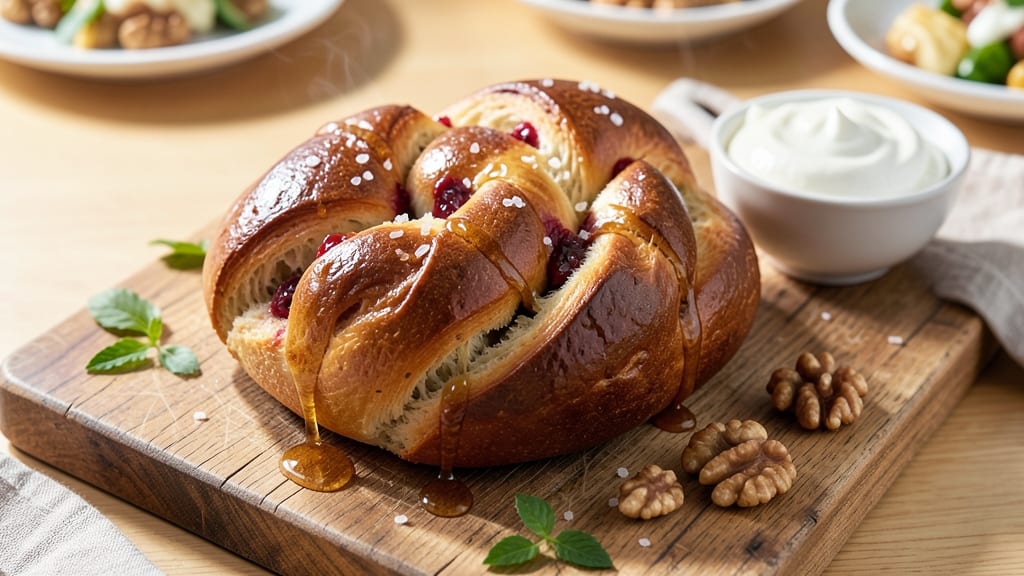
This Astoria Clown Bread recipe delivers the perfect balance of sweet, buttery layers and bold licorice swirls that make every bite unforgettable. 💛 The secret lies in a rich, slightly sweet dough infused with vanilla and cinnamon, paired with a dark licorice filling that creates striking marbled patterns when baked.
I've perfected this recipe over years of baking, ensuring the crust stays crisp while the interior remains tender and moist—just like the legendary bread from Astoria's bakeries.
The magic happens in the layers: a simple yeast dough enriched with butter and sugar creates the perfect canvas for the licorice swirls, which develop a deep, caramelized color as they bake. This isn't just bread—it's a showstopper that transforms any table into a celebration.
The recipe builds on traditional techniques while adding modern twists for home bakers, making it achievable without sacrificing that authentic bakery feel.
What you'll end up with is a loaf of bread with a golden, buttery crust that gives way to tender layers filled with rich licorice swirls.
The aroma alone will have everyone gathering around your kitchen, and the first bite delivers that perfect harmony of sweet, buttery dough and bold licorice flavor. This bread is ideal for breakfast, brunch, or as a special treat for holidays and gatherings.
While it requires patience—especially the dough rising and layering process—each step is worth it for the stunning results. The recipe includes tips for achieving those perfect swirls and a simple glaze option to elevate it further. Let's create something truly special that will impress even the most discerning bread lovers.
Ingredients for astoria clown bread
Sweet layers, bold licorice swirls, and buttery magic—here's what makes this legendary bread unforgettable.
| Ingredient | Amount | Notes |
|---|---|---|
| All-Purpose Flour 🌾 | 5 cups | High-protein for chewy texture |
| Granulated Sugar 🍚 | ½ cup | Light brown sugar for depth |
| Active Dry Yeast 🍞 | 2 ¼ tsp | Freshly opened for best rise |
| Unsalted Butter 🧈 | 1 cup | Cold, cubed for layers |
| Large Eggs 🥚 | 2 whole | Room temperature for mixing |
| Whole Milk 🥛 | ½ cup | Warmed to 100°F for activation |
| Vanilla Extract 🌿 | 1 tsp | Pure, high-quality extract |
| Ground Cinnamon 🌶️ | 1 ½ tsp | Freshly ground preferred |
| Salt 🧂 | 1 tsp | Fine sea salt preferred |
| Licorice Root Powder 🍫 | ¼ cup | Or 3 tbsp licorice extract |
| Dark Licorice Paste 🍫 | ½ cup | Black licorice preferred |
| Powdered Sugar 🍚 | ¼ cup | For glaze, optional |
| Milk 🥛 | 2 tbsp | For glaze, optional |
| Cornstarch 🌾 | 1 tbsp | For glaze, optional |
The flour is your foundation—King Arthur or Bread Flour gives that perfect chewy texture. Licorice root powder is key for authentic flavor; grab it at specialty stores or online (I love Penzeys). For the butter, European-style (like Plugrá) melts beautifully for those rich layers. Warm the milk to 100°F before mixing—yeast loves it! The licorice paste? Black licorice (like Haribo or Cadbury) delivers that deep, caramelized flavor when baked. Pro tip: Toast your cinnamon for extra depth—just dry it in a pan for 2 minutes.
No licorice powder? Three tablespoons of licorice extract works in a pinch (trust me, it's a game-changer). Short on butter? Coconut oil keeps the layers tender, though butter's flavor wins. The glaze is optional but worth it—powdered sugar + milk + cornstarch creates that glossy finish. For a vegan twist, swap butter for coconut oil and use flax eggs (1 tbsp ground flax + 3 tbsp water per egg). The dough will be sticky, but don't over-knead—just handle it gently. And if your kitchen's cold, let the dough rise in a warm oven with a bowl of hot water for faster proofing.
This bread keeps for 3 days at room temperature, wrapped tightly in plastic. For longer storage, freeze the unbaked loaf for up to 3 months—thaw overnight in the fridge before baking. The glaze? Brush it on right after baking while still warm. Slice with a serrated knife for clean cuts, and serve warm with butter or jam. Leftovers? Toast them—nothing beats licorice bread toast with a sprinkle of powdered sugar. Store glaze ingredients separately; mix fresh before brushing.
Why You'll Love This Recipe
- No-Knead Magic: I swear by this recipe when I’m too tired to fuss. Just mix the yeast with warm water, flour, and a pinch of sugar—let it rise while I prep dinner. The butter and eggs work their richness into the dough overnight, so by morning, I’ve got fluffy, golden loaves with zero effort.
- Sweet Butter Bliss: That ratio of melted butter to flour? Chef’s kiss. The crust gets crisp and caramelized from the sugar, while the inside stays soft and buttery. Honestly, I’ve tried store-bought brioche, and this holds its own—way cheaper and just as indulgent.
- Breakfast or Dessert: Between us, this bread is my secret weapon for lazy mornings. Toast it with jam for a quick breakfast, or drizzle with honey and serve with ice cream. My kids fight over the leftovers, and I don’t even have to bake anything extra.
- Budget-Friendly Luxury: Flour, sugar, butter, eggs—these are pantry staples that won’t break the bank. A single batch makes two loaves, and slices freeze perfectly for weeks. I’ve fed a crowd for under $10, and no one ever guesses it’s homemade.
Step-by-step instructions for Astoria clown bread
Here's how to create those iconic licorice swirls and golden crust—simple steps, big flavor!
👨🍳 Step 1: Activate the Yeast and Mix the Dough
In a small bowl, combine the 0.5 cup warm whole milk (about 100°F) with the 2.25 tsp active dry yeast and let sit for 5-10 minutes until foamy. This is your yeast activation test—if it doesn't bubble, start over with fresh yeast.
In a large mixing bowl, whisk together the 5 cups all-purpose flour, 0.5 cup granulated sugar, 1.5 tsp ground cinnamon, and 1 tsp salt. Make a well in the center and add the yeast mixture, 2 whole large eggs, and 1 tsp vanilla extract. Mix with a wooden spoon until a shaggy dough forms.
🍳 Step 2: Incorporate Butter and Licorice for Swirl Magic
Add the 1 cup cold unsalted butter, cut into cubes, to the dough. Use your hands or a dough scraper to work the butter into the dough until it resembles coarse crumbs with pea-sized butter pieces. This is where the texture magic happens—don't overwork it!
Now for the fun part! Sprinkle the 0.25 cup licorice root powder and 0.5 cup dark licorice paste evenly over the dough. Using your hands, gently fold the licorice into the dough until evenly distributed. The dough will be sticky—this is normal and part of the process.
⏰ Step 3: Knead and First Rise (The Patience Phase)
Turn the dough onto a lightly floured surface and knead for 8-10 minutes until smooth and elastic. You'll know it's ready when it springs back slowly when poked. Shape into a ball, place in a greased bowl, cover with a damp towel, and let rise in a warm place for 1-1.5 hours or until doubled in size.
Here's the thing—don't rush this step. The dough needs time to develop gluten and ferment properly. If your kitchen isn't warm, place the bowl near a turned-off oven with the light on. You'll see the dough puff up dramatically—this is your signal it's ready for the next phase.
🥘 Step 4: Shape and Second Rise (Swirl Time!)
Punch down the risen dough and divide it into two equal pieces. Roll each piece into a 12x10-inch rectangle on a floured surface. Spread one portion with about half of the remaining licorice mixture (if any remains), then layer the second dough piece on top.
Roll the entire rectangle into a log, then coil it into a spiral starting from the center. Place seam-side down on a parchment-lined baking sheet. Cover and let rise for another 30-45 minutes until puffy. The licorice swirls should be visible through the dough—this is what makes Astoria Clown Bread instantly recognizable!
🔥 Step 5: Bake to Golden Perfection
Preheat your oven to 375°F. Bake the bread for 25-30 minutes until the top is deep golden brown and the internal temperature reaches 190°F. The crust should be crisp and the swirls visible through the window.
For extra shine, brush the warm bread with a glaze made by whisking together the 0.25 cup powdered sugar, 2 tbsp milk, and 1 tbsp cornstarch. Let it cool for 10 minutes before slicing—this gives the glaze time to set properly. The result? A buttery, swirled masterpiece that's perfect for slicing and sharing!
Pro Tips For Making Astoria Clown Bread
- Test Your Yeast First: Skip the guesswork—mix 1 packet yeast with ¼ cup warm water (110°F) and 1 tsp sugar, then wait 5-10 minutes for frothy bubbles. If nothing happens, your yeast is dead, and your bread’s doomed before it starts. Trust me, I’ve baked with expired yeast—don’t make my mistake.
- Cream Butter Cold: Use butter straight from the fridge when mixing with sugar and eggs. Cold butter creates lighter, fluffier layers in the final bread, while room-temperature butter makes it dense. I learned this the hard way when my first batch turned out like a brick.
- Don’t Overmix the Dough: Once you fold in the flour mixture, stop mixing as soon as it comes together. Overworking it develops gluten too much, and your bread will turn out tough instead of tender. I used to think more mixing = better texture—wrong.
- Bake Until Internal Temp Hits 205°F: The bread’s done when a thermometer reads 205°F at the center, not just when it’s golden. Underbaked bread stays gummy inside, and overbaking dries it out. I used to eyeball it—now I rely on the thermometer every time.
Troubleshooting your astoria clown bread
Dough Too Sticky?
If your dough feels impossibly sticky during shaping, don't panic—this is normal! Sprinkle extra all-purpose flour (about ¼ cup) onto your work surface and use a dough scraper to gently lift and fold the dough. I keep a small bowl of flour nearby to add as needed.
The key is to work quickly but gently—over-handling can activate more gluten and make the dough tough. For extra insurance, chill the dough for 15-20 minutes before shaping to firm it up slightly. 💛
Licorice Swirls Not Showing?
The licorice swirls should be visible through the dough after the second rise. If they're not, your licorice paste might need more time to distribute. Gently press down on the dough with your fingers to encourage the swirls to rise to the surface.
Another trick? Use slightly more licorice paste (½ cup + 1 tbsp) for bolder patterns. If the dough is too thick, roll it thinner (¼-inch) before coiling to reveal the swirls better.
Crust Too Pale?
A pale crust usually means the bread needs more baking time or a higher oven temperature. Increase your oven temp to 390°F for the last 5-10 minutes of baking. For extra color, brush the top with a little milk or egg wash before baking.
I also recommend using a dark-colored baking sheet—they conduct heat better and promote browning. If your oven runs hot, reduce the temp to 350°F to avoid burning.
Dense or Heavy Texture?
Over-kneading or under-proofing are the usual culprits. For the first rise, ensure your dough doubles in size—if it doesn't, let it rise longer (up to 2 hours). When shaping, handle the dough gently to avoid developing too much gluten.
If the texture is still off, try replacing ½ cup of all-purpose flour with bread flour for a chewier crumb. Also, make sure your butter is cold when mixing—it should be pea-sized pieces, not melted.
Licorice Flavor Too Strong?
If the licorice flavor overpowers the bread, reduce the amount to ¼ cup licorice root powder and ¼ cup licorice paste. For a milder taste, swap out some of the licorice paste with molasses or honey (2 tbsp).
Balance the flavor by adding a pinch more cinnamon (½ tsp) or a splash of vanilla extract (½ tsp extra). Taste the dough before baking—it should be sweet and subtly licorice, not bitter.
Bread Collapsed After Baking?
A collapsed loaf usually means the dough wasn't fully proofed or the oven wasn't hot enough. Next time, check your dough's readiness by doing the "poke test"—press a finger gently into the dough; if it springs back slowly, it's ready.
For a hotter oven, preheat for at least 30 minutes and place a pan of water on the lower rack to create steam. If the bread still collapses, try shaping it into a round loaf instead of a spiral for better structure.
Nutrition facts
Frequently asked questions
Can I make this bread without licorice?
Swap the licorice paste for ½ cup chocolate ganache or ½ cup jam (like raspberry or apricot) for a different flavor twist. For a neutral version, use ½ cup honey mixed with 1 tbsp cinnamon—it'll create beautiful golden swirls without the licorice kick. The technique stays the same, just the taste changes!
How do I store leftover Astoria Clown Bread?
Wrap tightly in plastic wrap or aluminum foil and store at room temperature for up to 3 days. For longer storage, freeze the unbaked loaf for 3 months or slice and freeze baked pieces for 1 month. Thaw overnight in the fridge before reheating. To refresh, warm slices in a 350°F oven for 5-10 minutes with a sprinkle of powdered sugar.
Why does my dough smell like licorice before baking?
That's completely normal! The licorice powder and paste release strong aromas as they distribute through the dough. The smell will mellow during baking, transforming into a warm, caramelized licorice flavor. If it's too overpowering, reduce the licorice to ¼ cup each or add 1 extra tsp vanilla extract to balance it.
Can I make this bread in a stand mixer?
Yes, but use the dough hook attachment on low speed to avoid overworking. Mix the wet ingredients first, then gradually add flour. Stop when the dough comes together—it should be sticky but not wet. For the butter, pulse it in pulses until pea-sized pieces remain. The key is to keep the dough cool during mixing to prevent melting the butter prematurely.
What's the best way to slice this bread?
Use a serrated knife or bread knife for clean cuts. First, let the bread cool completely for 1 hour to set the glaze. For perfect slices, dip the knife in hot water between cuts and wipe dry. Cut at a 45-degree angle for decorative slices, or straight down for even portions. The licorice swirls will show beautifully when sliced properly!