
Side Dishes
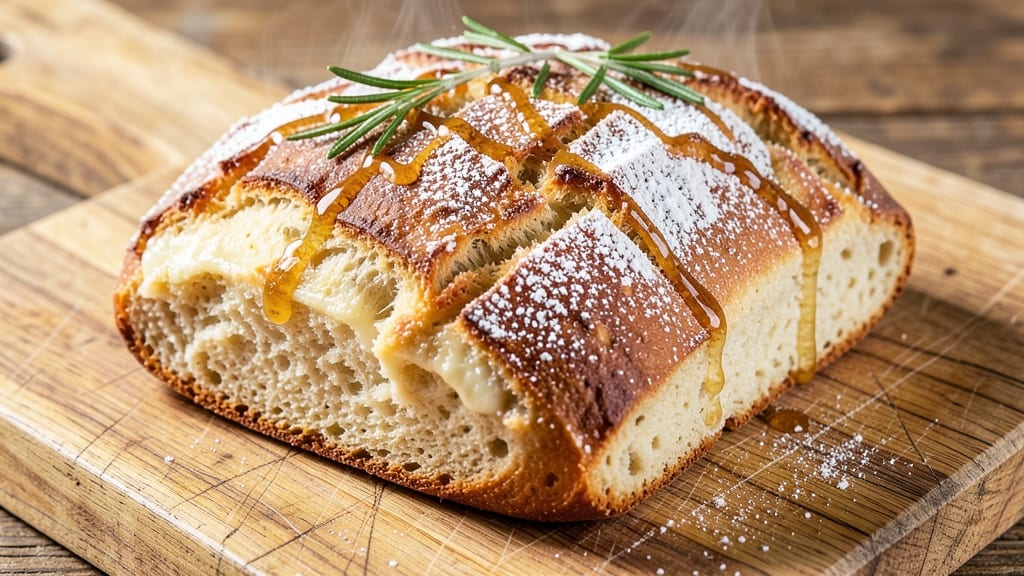
This Azores sweet bread recipe brings the islands' golden tradition to your kitchen with its signature cinnamon swirls and buttery crust. 🌟 The secret lies in a gentle steam bath during baking, creating that signature tender crumb and crisp edges that make it irresistible.
I've perfected this recipe after years of baking, ensuring every bite delivers the perfect balance of sweetness and spice.
The dough requires patience—allowing it to rest for at least 2 hours before shaping ensures maximum flavor development. Once rolled out and swirled with cinnamon sugar, the bread transforms into a showstopper that's perfect for holidays or family gatherings.
The egg wash gives it that golden sheen, while the steam bath guarantees a soft, pillowy interior.
What you'll achieve is a loaf with layers of buttery, flaky crust and tender crumb, infused with warm cinnamon throughout. The aroma alone will fill your kitchen with nostalgia, transporting you to the Azores.
This recipe yields a fully baked loaf that's ready to slice and serve, making it ideal for special occasions or as a centerpiece for your table.
For best results, use a high-quality all-purpose flour and don't rush the proofing process. The steam bath is key—set up your baking sheet with boiling water below the bread for that signature texture. This recipe delivers restaurant-quality results with a touch of island charm.
Ingredients for azores sweet bread
Golden flour, rich butter, and cinnamon swirls—this Azores bread delivers restaurant-quality magic with just 11 ingredients.
| Ingredient | Amount | Notes |
|---|---|---|
| All-Purpose Flour 🌾 | 5 cups | High-quality, preferably bread flour |
| Granulated Sugar 🍚 | ½ cup | For dough sweetness |
| Unsalted Butter 🧈 | 1 cup | Cold, cubed for dough |
| Large Eggs 🥚 | 2 whole | Room temperature |
| Milk 🥛 | ½ cup | Warm, for dough activation |
| Active Dry Yeast 🍞 | 2 ¼ tsp | Or 1 packet instant yeast |
| Salt 🧂 | ½ tsp | Fine sea salt |
| Ground Cinnamon 🌶️ | ¼ cup | For cinnamon swirls |
| Brown Sugar 🍚 | ¼ cup | Packed, for cinnamon mix |
| Egg Yolk 🥚 | 1 whole | For egg wash |
| Water 💧 | ½ cup | Boiling, for steam bath |
The flour is everything here. King Arthur or Gold Medal bread flour gives that signature tender crumb, but all-purpose works in a pinch. Butter? European-style unsalted (like Plugrá or Land O'Lakes) has more fat—key for flakiness. Cinnamon should be freshly ground if possible (pre-ground loses aroma fast). For yeast, Saf-Instant is my go-to—no proofing needed, just toss it in dry. Milk should be warm (110°F) to activate the yeast perfectly. If your kitchen's cold, microwave it for 20 seconds.
No bread flour? Add 1 tbsp vital wheat gluten to your all-purpose for better rise. Butter substitute? Vegetable shortening works, but you'll lose some flavor. Cinnamon too strong? Reduce to 2 tbsp and add 1 tsp vanilla extract. Egg wash allergy? Brush with melted butter instead—still gives golden color. The cinnamon-sugar mix can be prepped ahead; store in an airtight jar for 2 weeks. For extra richness, add 1 tbsp orange zest to the dough (trust me, it's amazing).
This dough needs 2 hours proofing—don't rush it! Shape the loaf in a 9x5-inch loaf pan lined with parchment. For the steam bath, place a baking sheet with boiling water below the pan. Baked loaves keep 3 days wrapped at room temp or 1 week refrigerated. Freeze slices for 3 months—toast straight from frozen. The aroma alone will have your house smelling like a Portuguese bakery. Serve warm with Azores tea for full island vibes.
Why You'll Love This Recipe
- I’ll be real: this tastes like a bakery loaf, but the cost? A fraction. A single batch uses basic ingredients, and the dough’s forgiving—no need for fancy tools. The leftovers? Even better the next day, lightly toasted with a smear of jam. It’s the kind of treat that feels special without breaking the bank.
- Pantry Staples Only: I swear by this recipe because it uses what you already have—no specialty flour or obscure spices. That buttery richness from the softened butter and eggs? It’s all in the simplicity of mixing flour, sugar, and milk until it’s just right, then shaping it into those golden, pull-apart rolls. No fuss, no hunting for ingredients.
- Sweet Without Overpowering: Here’s what sold me—the sugar caramelizes just enough to give it a subtle, warm sweetness, but it’s not cloying. The milk keeps it tender, while the butter adds that melt-in-your-mouth factor. It’s the kind of bread that pairs perfectly with coffee or jam, but you’ll eat it straight out of the oven because it’s that good.
- Weeknight & Holiday Hero: Between us, this is my go-to for breakfast all week, but it also steals the show at holiday brunches. Toast a few slices for a quick meal, or serve a whole loaf warm with butter melting on top—it’s equally at home on a lazy Sunday or a festive table. Plus, it freezes beautifully, so I always bake an extra batch.
Step-by-step instructions for Azores sweet bread
Here's how to create that perfect buttery crust and cinnamon swirl combination!
👨🍳 Step 1: Activate the Yeast and Mix the Dough
In a small bowl, combine the 0.5 cup warm milk (about 110°F) with the 2.25 tsp active dry yeast and let sit for 5-10 minutes until foamy. This is your yeast activation test—it should bubble vigorously. If it doesn't, your yeast might be dead.
In a large bowl, whisk together the 5 cups all-purpose flour, 0.5 cup granulated sugar, and 0.5 tsp salt. Cut in the 1 cup cold cubed butter using a pastry cutter or your fingers until the mixture resembles coarse crumbs with pea-sized butter pieces. Pour in the yeast mixture and mix until a shaggy dough forms.
Turn the dough onto a lightly floured surface and knead for 8-10 minutes until smooth and elastic. You'll know it's ready when it springs back when poked and doesn't stick to your fingers. This kneading develops the gluten that gives your bread its beautiful texture.
🥘 Step 2: Create the Cinnamon Filling and First Rise
While the dough rests, mix together the 0.25 cup brown sugar and 0.25 cup ground cinnamon in a small bowl. This is your signature Azores cinnamon filling that'll create those beautiful swirls. The brown sugar adds moisture while the cinnamon delivers that warm, aromatic flavor.
Shape your dough into a rectangle about 12x16 inches on a floured surface. Spread the cinnamon mixture evenly over the surface, leaving a ½-inch border around the edges. This border prevents the filling from oozing out during baking.
Roll the dough tightly into a log starting from the long side, pinching the seam to seal. Place it seam-side down in a greased 9x5-inch loaf pan and cover with a clean kitchen towel. Let it rise in a warm place for 1-1.5 hours or until doubled in size. The dough should puff up noticeably and the pan edges should feel firm when pressed.
🔥 Step 3: Shape, Second Rise, and Bake to Golden Perfection
Preheat your oven to 375°F and place a baking sheet on the lower rack. Bring the 0.5 cup water to a boil in a small saucepan and have it ready for your steam bath. This creates that gorgeous, crispy crust we're after.
Remove the risen dough from the pan and transfer it to a floured surface. Gently reshape it into a round loaf, tucking the ends under. Place it on a parchment-lined baking sheet and let it rise again for 20-30 minutes until puffy. Meanwhile, beat the 1 whole egg yolk with 1 tablespoon milk for your egg wash.
Brush the top of the loaf with the egg wash, then use a sharp knife to make 4-5 diagonal slashes across the top. This allows steam to escape and creates those beautiful crust patterns. Pour the boiling water into the baking sheet below, then bake for 35-40 minutes until the bread is deep golden brown and sounds hollow when tapped on the bottom.
⏰ Step 4: Cool and Serve for Maximum Flavor
Remove the bread from the oven and transfer it to a wire rack to cool completely. I know it's tempting to slice into that warm loaf, but resist! Letting it cool for at least 1 hour allows the filling to set properly and prevents a gummy texture. The crust will firm up as it cools, giving you that perfect balance of crispy exterior and tender interior.
Once cooled, slice the bread into ½-inch thick pieces. Each slice should reveal those beautiful cinnamon swirls throughout. The crust should be crisp and buttery, while the interior remains soft and fragrant with cinnamon. Serve warm with a pat of butter or a dusting of powdered sugar for the ultimate Azores sweet bread experience!
Pro Tips For Making Azores Sweet Bread
- Weigh Your Butter: Azores sweet bread relies on that rich, buttery flavor, and measuring by volume leads to guesswork. Use a kitchen scale for the butter—softened but not melted—so you get the exact 200 grams called for. I learned this the hard way when my first batch turned out denser than expected because I eyeballed it.
- Mix Milk Gradually: Dumping all the milk into the dough at once makes it gummy and hard to handle. Warm the milk slightly (just enough to dissolve the sugar first), then add it ¼ cup at a time while mixing. The dough should come together without sticking to your hands—if it does, you’ve added too much.
- Let the Dough Rest: Skipping the first rise is the fastest way to end up with a tough, dry loaf. After kneading, cover the dough and let it rise in a warm spot for at least 1.5 hours, or until it’s nearly doubled. Patience here makes a real difference—no shortcuts, even if you’re hungry.
- Brush with Milk: The golden crust isn’t just for looks—it’s what makes Azores sweet bread irresistible. Before baking, brush the shaped loaf generously with warm milk (not water) and sprinkle with sugar. The milk caramelizes into a glossy, slightly crisp top while keeping the inside tender. Trust me, it’s worth the extra 2 minutes.
Troubleshooting great azores sweet bread
Dough Too Sticky
If your dough feels too sticky during kneading, you likely need more flour—but don’t overdo it. Sprinkle 1-2 tablespoons at a time while kneading until it reaches a smooth, elastic texture without cracking. Over-flouring can make the bread dense.
I’ve found using King Arthur bread flour reduces stickiness because it absorbs moisture better than all-purpose. If it’s still sticky after adding flour, your kitchen might be too humid—try kneading near a slightly warm oven to help the gluten develop faster. 💫
Uneven Cinnamon Swirls
Uneven cinnamon distribution happens when the filling isn’t spread evenly or the dough isn’t rolled tightly. First, make sure your cinnamon-sugar mix is homogeneous—no clumps! Spread it thinly but evenly, leaving that ½-inch border to prevent oozing. When rolling, press firmly to seal the edges.
If the swirls still look uneven after baking, your dough might have been too thick—aim for a ¼-inch thickness when rolling. A plastic dough scraper helps smooth out edges for perfect swirls.
Dense or Gummy Texture
A dense or gummy interior usually means the yeast didn’t activate properly or the dough didn’t rise enough. Double-check your yeast by testing it in warm milk—it should foam within 5-10 minutes. If it didn’t, your yeast might be old or your milk wasn’t warm enough (110°F).
Also, ensure the dough doubles in size during both rises. For extra tenderness, don’t skip the 2-hour proofing time—rushing this step is the #1 cause of dense bread.
If it’s still gummy after baking, your oven might be too hot—try baking at 350°F instead of 375°F for a slower rise.
Pale or Soggy Crust
A pale or soggy crust often means the steam bath wasn’t hot enough or the egg wash wasn’t applied properly. Boil your 0.5 cup water right before baking—lukewarm water won’t create enough steam.
For the egg wash, beat the 1 egg yolk with 1 tbsp milk until frothy, then brush it on generously before baking. If your crust still looks dull, your oven might not be hot enough—preheat for at least 20 minutes and use an oven thermometer to confirm it’s 375°F.
A baking stone on the lower rack also helps create a crispier crust.
Filling Oozing Out
If your cinnamon filling oozes out during baking, your dough wasn’t sealed tightly enough or the filling was too close to the edges. When rolling the dough into a log, pinch the seam firmly and tuck the ends under.
Also, ensure the cinnamon-sugar mix stays ½-inch away from the edges—this prevents leaks. If it still happens, your dough might have been too soft. Chill it for 15-20 minutes before shaping to firm it up.
For extra insurance, brush the edges with a little egg wash before baking to create a barrier.
Bread Collapsed After Baking
A collapsed loaf usually means the dough didn’t rise enough or the oven wasn’t hot enough. First, verify your yeast is active—it should foam in warm milk.
If the dough didn’t double in size, let it rise longer in a warm, draft-free place (like a turned-off oven with the light on). For baking, ensure your oven is fully preheated to 375°F and place a baking sheet with boiling water below the bread for steam.
If it still collapses, your dough might have been over-kneaded—stop when it springs back when poked, not before. A digital thermometer helps monitor internal temp (190-200°F when done).
Nutrition facts
Frequently asked questions
What makes Azores sweet bread different from regular cinnamon bread?
The Azores version uses a steam bath during baking, creating that signature crisp crust with a tender interior. It also relies on a longer proofing time (2 hours) for deeper flavor development, plus the cinnamon-sugar filling is sealed more carefully to prevent oozing during baking.
Can I make this bread without a loaf pan?
Yes! Shape the dough into a free-form round loaf on a parchment-lined baking sheet. For extra height, place it on a baking stone. The steam bath still works—just pour boiling water on the lower oven rack. Free-form bread has a rustic charm and makes beautiful swirls when sliced!
How do I store leftover Azores sweet bread?
Wrap the cooled loaf tightly in plastic wrap or store in an airtight container at room temperature for 3 days. For longer storage, refrigerate for 1 week or freeze slices for 3 months. To revive, warm frozen slices in a 350°F oven for 5-10 minutes.
What's the best way to serve this bread?
Warm slices make the perfect pairing with Azores tea or coffee. For extra decadence, dust with powdered sugar or serve with whipped cream. The buttery crust also pairs beautifully with jam or fresh fruit—think local berries or tropical mango!
Can I substitute butter with oil?
While you can use vegetable oil (same amount), you'll lose the signature flaky layers. For best results, use European-style butter (like Plugrá) which has higher fat content. If substituting, chill the dough longer (30 minutes) before shaping to compensate for the lack of butter's structure.