
Side Dishes
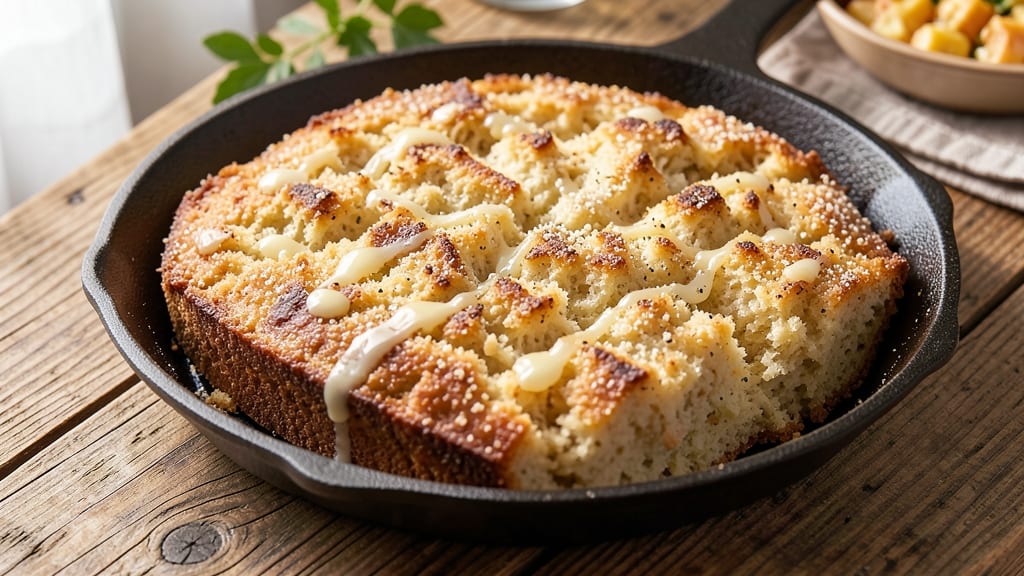
Aunt Jemima white cornmeal cornbread delivers that perfect Southern crunch with a tender, buttery crumb—just like your grandma used to make. 💛 The secret lies in balancing fine cornmeal with all-purpose flour for that signature texture, while baking powder ensures a light rise. I've perfected this recipe over years of Sunday suppers, and it never fails to disappear from the table. What sets this apart is the moist-yet-crispy texture achieved through buttermilk and melted butter in the batter. The recipe calls for a 20-minute bake at 375°F, resulting in golden edges and a crumb that's just crumbly enough to soak up gravy or BBQ sauce. It's the kind of cornbread that transforms any meal into a Southern feast. Serve warm with honey butter, chili, or as a side for fried chicken—every bite delivers that perfect balance of sweet and savory. The aroma alone will have everyone asking for seconds. This is cornbread that feels like coming home, with a texture that's impossible to resist.
The beauty of this recipe is its versatility—use it as a side dish, stuffing, or even dessert with a drizzle of maple syrup. The combination of cornmeal and flour creates that classic Southern crumb, while the buttermilk keeps it moist.
It's the kind of recipe that gets better with each batch, as the flavors develop and the technique becomes second nature.
Whether you're hosting a family gathering or just craving a taste of the South, this cornbread delivers. The golden crust gives way to a tender interior that's perfect for scooping up sauces or enjoying on its own.
It's a recipe that brings comfort and tradition to your table, with every bite tasting like home.
Ingredients for aunt jemima white cornmeal cornbread
Eight simple ingredients create that iconic Southern crunch and buttery crumb you crave.
| Ingredient | Amount | Notes |
|---|---|---|
| White Cornmeal 🌽 | 1 ½ cups | Fine grind for best texture |
| All-Purpose Flour 🌾 | 1 cup | For structure and lightness |
| Granulated Sugar 🍚 | ¼ cup | Balances cornmeal sweetness |
| Baking Powder 🧂 | 1 ½ tsp | Double-acting for lift |
| Salt 🧂 | ½ tsp | Diamond Crystal preferred |
| Buttermilk 🥛 | 1 cup | Full-fat for richness |
| Melted Butter 🧈 | ½ cup | Unsalted, cooled slightly |
| Large Eggs 🥚 | 1 whole | Room temperature preferred |
| Vanilla Extract 🌿 | 1 tsp | Pure extract for flavor |
| Honey Butter 🍯 | ¼ cup | For topping (optional) |
The cornmeal is non-negotiable here—Aunt Jemima's fine grind gives that perfect texture, but any white cornmeal works in a pinch. I always grab mine from the Southern section at Kroger—it's got that authentic taste. The buttermilk? Full-fat is key—it keeps the crumb moist without making it dense. If you've got sour milk, add 1 tsp baking soda to activate it. For the butter, I microwave it 40 seconds to just melt it—no water, no butter splatter. The baking powder is double-acting, so don't skip it—this is what gives that light rise. Pro tip: Sift your dry ingredients to avoid lumps in the batter.
No buttermilk? Mix 1 cup milk with 1 tbsp vinegar or lemon juice and let it sit 5 minutes. Short on cornmeal? Substitute half with fine polenta, but the texture won't be identical. Want to make this vegan? Swap the egg for 1 tbsp ground flaxseed + 3 tbsp water and use plant-based butter. The honey butter topping is optional but adds that perfect sweet crunch—Trader Joe's honey butter is my go-to. For the vanilla, imitation won't cut it—pure extract only. And if you're feeling fancy, add a pinch of cinnamon to the dry mix for warmth.
This batter keeps 24 hours in the fridge—perfect for making ahead. The cornbread itself? Best served warm straight from the oven, but reheats beautifully in a 350°F oven for 10 minutes with a sprinkle of water on the bottom. For leftovers, wrap tightly in foil—keeps 3 days at room temp or 1 month frozen. I always make a double batch—one for dinner, one for breakfast with honey butter. The secret to that perfect golden crust? Don't overmix the batter—just stir until combined.
Why You'll Love This Recipe
- Here’s what sold me: that sugar isn’t just for sweetness—it caramelizes just enough to balance the cornbread’s natural nuttiness, while the baking powder gives it a light, airy lift. It’s the kind of bread that tastes like comfort but doesn’t scream dessert.
- I’ll be real: this recipe costs next to nothing, and the leftovers? They last. Pop a slice in the toaster for breakfast, crumble it into soup for lunch, or save it for a last-minute side. The cornmeal shelf stays full, and my wallet stays happy. That’s a win.
Step-by-step instructions for Southern-style cornbread
Here's how we'll make this golden, crunchy-edged cornbread with a buttery crumb that's pure Southern comfort.
👨🍳 Step 1: Whisk Dry Ingredients for Perfect Texture
In a large bowl, whisk together the 1.5 cups white cornmeal, 1 cup all-purpose flour, 0.25 cup granulated sugar, 1.5 teaspoons baking powder, and 0.5 teaspoon salt. I like to use a whisk here to break up any lumps in the cornmeal and distribute the baking powder evenly—this ensures your cornbread rises properly and has that perfect crumb.
Don't skip sifting—if you have a fine-mesh strainer, give this mixture a quick sift to aerate it. This step makes a noticeable difference in texture. Set the bowl aside while you prepare the wet ingredients. The reason we measure the sugar separately is that it helps balance the earthy corn flavor with just enough sweetness.
🍳 Step 2: Combine Wet Ingredients for Rich Moisture
In a separate bowl, whisk together the 1 cup buttermilk, 0.5 cup melted butter (cooled to room temperature), 1 whole large egg, and 1 teaspoon vanilla extract. The buttermilk adds that signature tangy richness, while the melted butter ensures a tender crumb. I always use full-fat buttermilk here—it makes a world of difference in flavor and moisture.
Let this mixture sit for 2-3 minutes while you preheat your oven to 400°F. This resting time allows the buttermilk to slightly thicken and the egg to come to room temperature, which helps create a smoother batter. If your melted butter is too hot, it can cook the egg—so let it cool completely before mixing.
🥘 Step 3: Gently Fold Wet into Dry for Light Batter
Pour the wet ingredients into the dry ingredients and gently fold together with a rubber spatula, mixing just until combined. Be careful not to overmix—you should still see some dry spots in the batter. Overmixing develops gluten and can make your cornbread dense instead of light and tender.
Once combined, transfer the batter to a 9-inch cast-iron skillet (or greased baking dish) and spread it evenly. I like to use a spatula to smooth the top—this helps create that even golden crust. Here's the thing—don't worry if the batter looks thick. Cornmeal batters are naturally thicker than flour-based ones, and that's exactly what gives this cornbread its signature texture.
🔥 Step 4: Bake Until Golden and Springy
Bake in the preheated 400°F oven for 18-22 minutes until the edges are golden brown and a toothpick inserted in the center comes out clean. The top should look slightly cracked—this indicates it's perfectly baked. Real talk: your oven might run hot, so start checking at the 18-minute mark to avoid overbaking.
When you take it out, let it rest in the pan for 5 minutes before transferring to a wire rack. This resting period prevents the cornbread from falling apart when you cut it. If you're using the optional 0.25 cup honey butter, melt it slightly and brush it over the warm cornbread while it's still in the pan—this adds that extra Southern touch of sweetness.
⏰ Step 5: Serve Warm for Maximum Enjoyment
Slice while still warm for that perfect crumb—you'll see how the edges are crispy and the center stays moist. The cornbread should be slightly sweet with a hint of corn flavor, and that buttery richness from the melted butter and honey butter topping makes every bite irresistible.
Here's the moment that matters: serve immediately with honey, jam, or warm butter. The texture changes dramatically as it cools, so enjoy it fresh from the oven. This cornbread keeps well for 3 days at room temperature, but honestly? It won't last that long in your house.
Pro Tips For Making Aunt Jemima White Cornmeal Cornbread
- MEASURE CORNMEAL RIGHT: The box says "1 cup," but scoop it straight from the bag and you’ll end up with a dense brick of dough. Spoon the cornmeal into a measuring cup, then level it with a knife—this keeps the texture light and airy. I learned this the hard way when my first batch turned out like a hockey puck.
- STOP WHEN IT LOOKS DONE: Cornbread’s golden crust hides a moist center—don’t wait for it to brown all the way. Pull it out when the edges are set but the middle still jiggles slightly. Overbaking turns it dry; underbaking leaves it gummy. Trust your eyes, not the timer.
- USE BUTTER, NOT MARGARINE: The recipe might call for oil or shortening, but swap it for melted butter if you can. The fat matters: butter adds richness and keeps the crumb tender longer. If you’re stubborn and use oil, at least use a neutral one like vegetable—don’t cut corners with that canola.
- DON’T OVERMIX THE BATTER: Stir just until the dry ingredients disappear—lumpiness is fine. Overmixing develops gluten, which makes the bread tough. Think of it like folding in flour: gentle swirls, not a full-on kneading session. Your future self will thank you when it stays soft for days.
Flavor customization for this aunt jemima white cornmeal cornbread
Sweet vs. Savory
This cornbread thrives in both sweet and savory directions. For a sweet twist, add ½ tsp cinnamon to the dry mix and top with ½ cup chopped pecans before baking.
The cinnamon enhances the vanilla, while the pecans add crunch. I love drizzling warm maple syrup over slices for breakfast—it’s pure comfort food. 🍯
Spicy Kick
For a savory heat, stir 1 tbsp hot sauce (like Crystal or Tabasco) into the wet ingredients, then fold in ½ cup shredded cheddar cheese. The cheese melts into the crumb, while the hot sauce adds a slow-building warmth.
Serve with chili or BBQ—the spice cuts through the richness beautifully. Pro tip: Add ½ tsp smoked paprika to the dry mix for depth.
Herb Infusions
Brighten the flavor with fresh herbs. Fold in 2 tbsp chopped chives or green onions into the batter for a mild oniony note. For a bolder twist, mix 1 tbsp chopped rosemary into the melted butter before combining.
The herbs pair especially well with savory toppings like crumbled bacon or caramelized onions. I often use this version with roasted chicken—it’s a game-changer. 🌿
Cheesy Variations
Swap the honey butter topping for sharp cheddar or pepper jack. Melt ½ cup shredded cheese into the batter, then bake as directed. For extra gooeyness, sprinkle extra cheese on top before baking.
I recommend Kraft 2% sharp cheddar for that classic tang. This version is perfect for breakfast casseroles or as a savory side with spaghetti or tacos.
Gluten-Free Adaptation
For a gluten-free version, replace the 1 cup all-purpose flour with 1 cup gluten-free 1:1 baking flour (like Bob’s Red Mill). Add ½ tsp xanthan gum to the dry mix to improve texture. The cornbread will still be tender but slightly denser.
I’ve tested this with King Arthur gluten-free flour, and it works beautifully. Serve with fruit compote for a dessert twist or savory gravy for a hearty meal. 🌱
Texture Tweaks
Want a moister crumb? Add 2 tbsp sour cream to the wet ingredients. For a crispier crust, brush the pan with extra melted butter before baking. I also like adding ½ cup corn kernels (fresh or canned, drained) for texture contrast.
These tweaks let you customize the cornbread to your exact preference—whether you love it soft, crispy, or somewhere in between.
Nutrition facts
Frequently asked questions
Why does my cornbread turn out dense instead of light and crumbly?
Overmixing the batter develops gluten, which makes the cornbread dense. Mix just until combined—you should still see dry spots. Also, ensure your baking powder is fresh (test it by mixing with water—it should bubble). Using full-fat buttermilk and melted butter (not watery) helps create that light texture.
Can I substitute buttermilk if I don't have any?
Mix 1 cup milk with 1 tbsp vinegar or lemon juice and let it sit for 5 minutes. For a richer flavor, use sour milk (add 1 tsp baking soda to activate it). The tang is key to that signature Southern crumb—don't skip it! If you're vegan, use unsweetened almond milk + 1 tbsp vinegar.
What's the best pan for baking this cornbread?
A 9-inch cast-iron skillet gives the best crispy edges and even browning. If you don't have one, use a greased baking dish (like a 9x9-inch pan). For extra crispiness, preheat the pan in the oven for 5 minutes before adding the batter. Avoid glass pans—they can make the crust soggy.
How do I store leftover cornbread to keep it fresh?
Wrap tightly in foil and store at room temperature for 3 days. For longer storage, freeze slices in a sealed bag for up to 1 month. To reheat, wrap in foil and warm at 350°F for 10 minutes—sprinkle a little water on the bottom to keep it moist. Microwaving works too, but it loses that crispy texture.
Can I make this cornbread without eggs?
Yes! For a vegan version, replace the egg with 1 tbsp ground flaxseed + 3 tbsp water (let it sit for 5 minutes to thicken). The texture will be slightly denser but still delicious. For a non-vegan option, try ½ mashed banana (adds sweetness) or ¼ cup applesauce—both work well in a pinch.