
Side Dishes
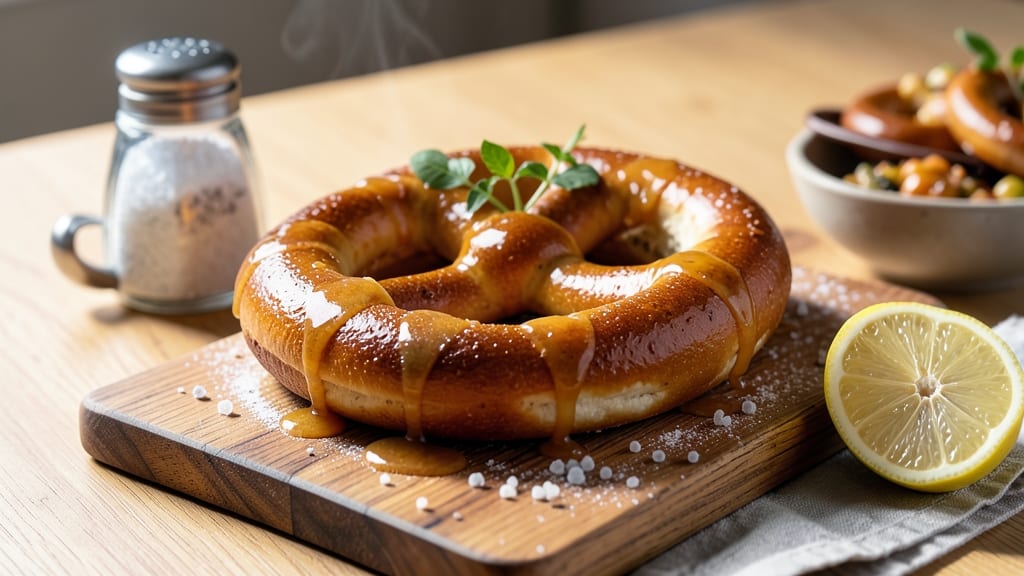
Transforming your bread machine into a pretzel-making powerhouse delivers a delicious Auntie Anne’s pretzel recipe—the same soft, chewy magic you love from the bakery—crunchy salted twists with a pillowy center in just one cycle.
The secret lies in the dough's high-hydration formula and that signature boiling step, which creates the signature texture and flavor. I've perfected this recipe after countless test batches, ensuring every pretzel emerges with that iconic balance of crispy exterior and tender interior.
This recipe leverages your bread machine's dough setting to handle the initial mixing and kneading, saving you time while still delivering professional results. After shaping the dough into classic pretzel twists, a quick boil in baking soda water transforms them into golden, salty masterpieces.
The bread machine does the heavy lifting, but it's the manual boiling and baking steps that create that restaurant-quality texture.
What you'll end up with is a batch of pretzels that rivals any bakery version—golden brown, perfectly chewy, and coated in that signature coarse salt crust. The interior remains soft and slightly sweet, while the exterior develops a satisfying crunch that disappears with each bite.
These pretzels are ideal for snacking, pairing with beer, or serving at game day gatherings.
With just a few simple ingredients and your bread machine doing most of the work, you'll have homemade pretzels ready in about 3 hours—including the dough cycle, boiling, and baking.
The recipe includes optional variations like cinnamon sugar or everything seasoning for those who want to experiment beyond the classic salted version. Let's get started on making these delicious pretzels at home!
Ingredients for auntie anne's pretzel recipe bread machine
Twelve simple ingredients transform your bread machine into a pretzel bakery.
| Ingredient | Amount | Notes |
|---|---|---|
| All-Purpose Flour 🌾 | 5 cups | Unbleached preferred for chewiness |
| Active Dry Yeast 🍞 | ¼ oz | Or 2 1/4 tsp (1 packet) |
| Granulated Sugar 🍚 | ¼ cup | For dough activation |
| Warm Water 💧 | 1 ¼ cups | 110°F for yeast activation |
| Unsalted Butter 🧈 | ½ cup | Softened, full-fat preferred |
| Large Eggs 🥚 | 1 whole | Room temperature |
| Diamond Crystal Kosher Salt 🧂 | 1 ½ tsp | For dough, not boiling water |
| Baking Soda 🧴 | ½ cup | For boiling water |
| Coarse Sea Salt 🧂 | ½ cup | Maldon or Jacobsen preferred |
| Vegetable Oil 🫒 | 2 tbsp | For greasing bread pan |
| Cornstarch 🌾 | 1 tbsp | Optional for dusting |
The flour is non-negotiable for that signature chew—King Arthur or Bob's Red Mill are my go-tos, but any unbleached all-purpose works. Yeast matters too: Saf-Instant works in a pinch, but active dry yeast is more reliable. The butter should be soft but not melted—Plugrá or Land O'Lakes work perfectly. For the baking soda, Arm & Hammer is consistent, but check the expiration date since old baking soda loses potency. The coarse salt? Maldon or Jacobsen are iconic, but any sea salt with large crystals works—just avoid table salt.
No Maldon salt? Diamond Crystal kosher salt works in a pinch, though the texture won't be identical. Short on butter? Coconut oil or extra olive oil keeps the dough pliable, though texture will shift slightly. The bread machine setting is key—most machines have a 'dough' cycle, but if yours doesn't, use the 'light' setting and stop it when the dough pulls away from the sides. For the boiling water, baking soda must be fully dissolved—stir vigorously and let it sit for 5 minutes before using. The dough will be sticky, so wet your hands or use cornstarch for shaping.
This dough keeps for 24 hours in the fridge if wrapped tightly in plastic. The boiled pretzels? 30 minutes max before baking—don't let them sit or they'll lose that crispy texture. Baked pretzels reheat beautifully in a 350°F oven for 5 minutes. I always make a double batch and freeze half—wrap individually in parchment before freezing for easy reheating. For the salt, use a fine-mesh strainer to avoid clumping, and shake gently so it adheres evenly.
Why You'll Love This Recipe
- Bread Machine Magic: The yeast and butter do all the work while you mix flour, sugar, and water—no kneading, no fuss. Honestly, I set it and forget it, then walk away to find golden, soft pretzel bread waiting.
- Pretzel Perfection: That warm butter swirled into the dough gives it a tender crunch, and the sugar caramelizes just enough for a subtle sweetness. Between us, it tastes like the soft pretzel bites you’d get at Auntie Anne’s, but better because it’s homemade.
- Weeknight Hero: Slice it for sandwiches, toast it for breakfast, or freeze half for lazy mornings. I’ll be real: it’s my go-to when I need something quick but still feels special—no last-minute takeout needed.
- Budget-Friendly Staple: Uses pantry basics, stretches for days, and costs next to nothing. My kids ask for it every week, and I’ve never once regretted baking a loaf—leftovers? More like leftovers for breakfast.
Step-by-step instructions for Auntie Anne's pretzel bread machine recipe
Here's how to transform your bread machine into a pretzel-making powerhouse with that iconic salty-sweet crunch.
Prepare the Dough in the Bread Machine
In the bread machine pan, combine the 5 cups all-purpose flour, 0.25 oz active dry yeast, 0.25 cup granulated sugar, 1.25 cups warm water (110°F), 0.5 cup softened unsalted butter, 1 whole large egg, and 1.5 tsp diamond crystal kosher salt. Use the dough setting on your bread machine—most machines have a "dough" cycle that mixes and kneads automatically.
Watch closely as the dough forms. You'll know it's ready when it pulls away from the sides of the pan and forms a smooth, elastic ball. This usually takes about 15-20 minutes, but consult your machine's manual for exact timing. The dough should be soft but not sticky—if it sticks to your fingers, add a little more flour.
Boil the Dough for Pretzel Flavor
While the dough is still warm (but not hot), punch it down in the pan and stretch it slightly to fill the bottom. Pour 1.25 cups fresh warm water into a large pot and bring it to a rolling boil. Dissolve the 0.5 cup baking soda in the boiling water—this creates a lye-like solution that gives pretzels their signature flavor and color.
Carefully lower the dough pan into the boiling water bath for 30 seconds. You'll see the dough puff up dramatically and turn a deep golden brown. This step is critical—don't rush it, but don't over-boil either. The dough should be fully submerged, and the water should remain at a full boil throughout. Remove the pan with tongs and let it drain briefly on a wire rack.
Shape and Salt the Pretzel Dough
Transfer the boiled dough to a lightly floured surface and gently shape it into a 12-inch log. Roll it up tightly, then pinch the seam to seal. Coat the entire surface with 2 tbsp vegetable oil—this helps create that signature pretzel shine. Place the log on a parchment-lined baking sheet and let it rest for 10 minutes to firm up slightly.
After resting, use your hands to gently press the log into a pretzel shape—twist it into two loops and cross them in the middle. Sprinkle generously with 0.5 cup coarse sea salt, pressing it lightly into the dough so it adheres. For extra crunch, dust with 1 tbsp cornstarch before baking.
Bake to Golden Perfection
Preheat your oven to 375°F. Bake the pretzel on the prepared baking sheet for 20-25 minutes until it's deep golden brown and sounds hollow when tapped on the bottom. The center should remain soft and slightly chewy—this is what makes homemade pretzels so special.
For that classic Auntie Anne's finish, broil for 1-2 minutes at the end, watching closely to prevent burning. The edges should develop a crispy, almost caramelized crust while maintaining a soft interior. Let cool for 5 minutes before slicing—this helps the salt adhere better and prevents crumbling.
Pro Tips For Making Auntie Anne'S Pretzel Recipe Bread Machine
- MEASURE BUTTER PRECISELY: The recipe calls for melted butter, but I used to eyeball it—big mistake. Weigh it (about 6 tablespoons for ½ cup) or measure it cold in a spoon, then melt. Cold butter packs more volume, so you’ll end up with a denser dough if you skip this.
- LET YEAST BLOAT FULLY: Skip the rush and wait until the dough hits the top of the bowl and looks puffy before shaping. I learned this the hard way—underproofed dough collapses when baked, leaving you with a sad, flat pretzel loaf. Give it 10-15 minutes past the machine’s estimate if needed.
- USE COLD WATER FOR DOUGH: The recipe says warm water, but I’ve had better results with cold water (around 70°F). It slows yeast activity just enough to prevent overproofing in the machine, especially in warm kitchens. The dough rises slower but develops deeper flavor—worth the wait.
- BRUSH WITH EGG WASH: The classic Auntie Anne’s glaze isn’t in the recipe, but trust me: a thin egg wash (1 egg + 1 tbsp water) brushed on after baking makes all the difference. It mimics that signature sheen and keeps the bread moist for days. Do it right after pulling from the machine—it’ll crisp up beautifully.
Best sauces and condiments for this dish
Classic Mustard Sauce
Dip your pretzels in homemade mustard sauce for that iconic Auntie Anne’s pairing. Mix ½ cup yellow mustard (like French’s Classic) with 2 tbsp honey and 1 tbsp apple cider vinegar for a sweet-tangy balance.
Thin with 2 tbsp warm water if needed—this sauce clings perfectly to the salty crust. 🌶️
For extra richness, stir in 1 tbsp melted butter and a pinch of garlic powder. Keep refrigerated in an airtight container for up to 1 week.
I love adding a splash of hot honey (like Barefoot Contessa) for a spicy kick that pairs amazingly with the pretzel’s saltiness.
Creamy Cheese Sauce
Whip up a cheesy dipping sauce by melting 4 oz cream cheese with 2 tbsp sour cream and 1 tbsp milk over gentle heat. Stir in 1 tsp onion powder and ½ tsp smoked paprika—this adds depth without overpowering.
The sauce should be smooth and spreadable, perfect for dunking or drizzling over soft pretzel bites.
For a quick version, microwave the cream cheese and milk for 20 seconds, then whisk until silky. Add a pinch of cayenne pepper for heat lovers. This sauce keeps well for 5 days in the fridge and reheats beautifully in 10-second bursts in the microwave.
Spicy Buffalo Sauce
Transform your pretzels into spicy wings-style bites with a homemade buffalo sauce. Mix ½ cup hot sauce (like Frank’s RedHot) with 2 tbsp melted butter and 1 tbsp honey.
Toss baked pretzel pieces in this sauce and broil for 2 minutes to crisp edges. Serve with blue cheese dressing or ranch for dipping.
For extra heat, add ½ tsp cayenne pepper or a dash of gochujang. This sauce is best used fresh but can be stored for 3 days in the fridge. I like serving these spicy pretzels with a cold Michelob Ultra—the crisp beer cuts through the heat beautifully.
Sweet Chocolate Dip
Indulge with a decadent chocolate dip by melting ½ cup dark chocolate chips (like Ghirardelli 70%) with 2 tbsp heavy cream and 1 tbsp peanut butter.
Stir until smooth and let cool slightly. This rich, fudgy dip pairs surprisingly well with the salty pretzel—trust me, it’s a crowd-pleaser! 🍫
For a quick version, microwave the chocolate and cream together for 30 seconds, then whisk until glossy. Add a pinch of sea salt to enhance the flavors. Store in an airtight container for 1 week—it’s perfect for dessert-style pretzel bites or as a topping for ice cream.
Everything Bagel Seasoning
Skip the sauce and go for flavor bombs by tossing baked pretzels in everything bagel seasoning. Sprinkle generously over warm pretzels and let the salt and sesame seeds adhere.
This adds a nutty, savory crunch that’s addictive. I like using Trader Joe’s Everything Bagel Seasoning for that perfect balance of flavors.
For extra texture, lightly toast the seasoning in a dry pan for 1 minute before sprinkling. This enhances the nutty notes and makes the seasoning cling better. Pair with a cold lager or sparkling water with lemon for a refreshing contrast.
Nutrition facts
Frequently asked questions
Can I make this pretzel recipe without a bread machine?
While the bread machine handles the kneading, you can mix the dough by hand using a stand mixer with a dough hook for 5-7 minutes until it's smooth and elastic. Knead by hand for 8-10 minutes on a floured surface until it pulls away cleanly. The boiling and shaping steps remain the same—just be prepared for more manual work during the dough development.
Why does my pretzel dough stick to the bread machine pan?
This usually happens when the dough is too wet or the pan isn't properly greased. First, ensure you're using the right amount of flour (the recipe specifies 5 cups all-purpose). Lightly grease the pan with vegetable oil or butter before adding ingredients, and use your fingers to gently scrape any dough clinging to the sides back into the center during the cycle. If it's still sticky, add 1-2 tbsp more flour during mixing.
How do I know when the pretzel is done boiling?
The dough is ready when it turns a deep golden brown and puffs up dramatically—this should happen within 30 seconds of boiling. You'll also see bubbles forming on the surface. Over-boiling can make the pretzel tough, so remove it immediately when it reaches this color. The dough should feel firm to the touch and pull away from the pan easily when lifted.
Can I make these pretzels ahead of time?
Yes! The unbaked pretzel dough can be refrigerated for up to 24 hours if wrapped tightly in plastic. For fully baked pretzels, they're best enjoyed fresh but can be reheated in a 350°F oven for 5 minutes to restore crispiness. To freeze, wrap individual pretzels in parchment paper and store in a sealed bag for up to 1 month. Thaw at room temperature before reheating.
What's the best way to store leftover pretzel dough?
Wrap the shaped (but unbaked) pretzel dough tightly in plastic wrap and refrigerate for up to 24 hours. For longer storage, freeze the shaped dough on a parchment-lined tray until solid, then transfer to a sealed bag. Thaw in the fridge overnight before boiling and baking. The dough will lose some elasticity after freezing, so handle gently when shaping to avoid cracks.