
Side Dishes
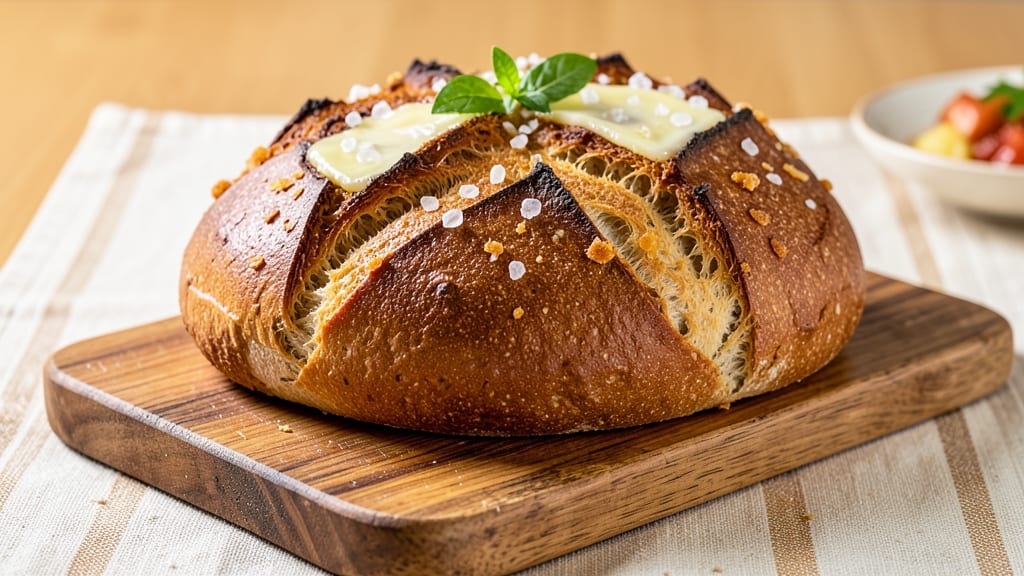
Austrian bread recipe brings the heart of Viennese bakeries to your kitchen with its signature open crumb structure and tangy depth. 💛 Unlike dense sandwich bread, this loaf features an airy interior and crisp golden crust—a hallmark of traditional Austrian baking that transforms everyday meals into special occasions.
The secret lies in a precise blend of high-gluten flour and natural fermentation, allowing the dough to develop maximum flavor and texture. This recipe delivers restaurant-quality results with a straightforward process: kneading, proofing, shaping, and baking at the perfect temperature to achieve that coveted open crumb and caramelized crust.
Once baked, you'll have a loaf that's ideal for serving with butter, cheese, or as the perfect base for sandwiches. The tangy notes from proper fermentation elevate simple pairings, making this bread a standout centerpiece for any table.
Whether you're recreating a classic Viennese experience or adding a touch of European elegance to your kitchen, this recipe delivers professional-quality results with minimal effort. Let's get started on creating your own artisan loaf!
Ingredients for austrian bread
High-gluten flour and precise fermentation create this iconic Viennese-style loaf with signature open crumb and tangy depth.
| Ingredient | Amount | Notes |
|---|---|---|
| High-Gluten Bread Flour 🌾 | 4 cups | King Arthur or Caputo preferred |
| Active Dry Yeast 🍞 | 0.03 oz | 1 packet or 2.5 tsp |
| Granulated Sugar 🍚 | ½ tbsp | For yeast activation |
| Warm Water 💧 | 1 ¼ cups | 105-110°F for activation |
| Unsalted Butter 🧈 | ½ cup | Cold, cubed for dough |
| Diamond Crystal Kosher Salt 🧂 | 1 ½ tsp | Adjust to taste |
| Honey 🍯 | 1 tbsp | For fermentation boost |
| Milk 🥛 | ¼ cup | Warm for dough enrichment |
| Extra-Virgin Olive Oil 🫒 | ½ tbsp | For dough elasticity |
| Instant Potato Flour 🥔 | 1 tbsp | For open crumb structure |
| Cornmeal 🌽 | ½ cup | For dusting and crust |
| Ice Water ❄️ | ¼ cup | For final dough shaping |
The high-gluten flour is non-negotiable here—King Arthur or Caputo are my go-tos, but any bread flour with 13-14% protein works. Bulk bins at Whole Foods often have great options, or check the international aisle at Wegmans. The yeast should be fresh: if it's been sitting in your pantry for months, toss it. For the butter, Plugrá or Land O'Lakes unsalted melt beautifully during baking. The honey adds that subtle tang—Manuka works too—but regular clover honey is fine if that's what you've got. Pro tip: measure your flour by weight if you can—4 cups by weight is more accurate than volume.
No high-gluten flour? Substitute 3.5 cups all-purpose plus 0.5 cup vital wheat gluten, but the texture won't be identical. Ran out of honey? Maple syrup at half the amount works in a pinch. The milk can be any kind—whole, 2%, or even almond milk—but warm it first. For the olive oil, any extra-virgin is fine, but avoid the cheap stuff that tastes like soap. The potato flour is key for that open crumb—Arrowhead brand is widely available. If you can't find it, instant mashed potato flakes work in a bind (use half the amount). The cornmeal should be fine, but if you're feeling fancy, semolina adds extra crunch to the crust.
This dough is a beast—it needs time. After the initial rise, cover with a damp towel and let it proof in a warm spot for 1-2 hours until doubled. For the final shape, use a banneton or bowl lined with a floured towel—no need for fancy equipment, a regular bowl works. Bake at 425°F until the crust is deep golden and sounds hollow when tapped. Store wrapped at room temp for 2 days, or freeze slices for up to 3 months. The bread reheats beautifully—5 minutes at 350°F restores that fresh-baked magic. I always make a double batch—one loaf for the table, one for freezing
Why You'll Love This Recipe
- No-Knead Magic: I swear by this bread—I just mix the high-gluten flour, yeast, sugar, and warm water, let it rest, then fold it once. The dough practically does the work for me while I sip coffee.
- Buttery Crust, Soft Core: That unsalted butter baked into the crust? Chef’s kiss. It’s got this golden crackle that shatters when you tear it, but inside? Still warm, pillowy perfection. Honestly, I’ll take this over store-bought any day.
- Weeknight & Holiday Hero: Between us, this bread is my go-to for everything: toasted with jam for breakfast, slathered with butter for sandwiches, or sliced thick for open-faced meals. And when company comes? It’s the one thing I bake that actually impresses people.
- Budget-Friendly Stretch: A single batch feeds my family for days—leftovers toasted, wrapped in a towel, or even reheated in the oven. Plus, using high-gluten flour and butter makes it feel special without breaking the bank. (Yes, even on a Tuesday night.)
Step-by-step instructions for crusty Austrian bread
Here's how to craft an open-crumb loaf with a crisp exterior and airy interior—just like Vienna's finest bakeries.
👨🍳 Step 1: Activate the Yeast and Mix the Dough Base
In a large mixing bowl, combine the 1.25 cups warm water (tested at 105-110°F—too hot and you'll kill the yeast) with the 0.5 tbsp granulated sugar and 0.03 oz active dry yeast. Let this sit for 5-10 minutes until frothy—you should see bubbles forming on the surface. This tells you your yeast is alive and ready to work.
In a separate bowl, whisk together the 4 cups high-gluten bread flour and 1.5 tsp diamond crystal kosher salt. The high-gluten content is crucial here—it gives that signature open crumb structure we're after. Add the 1 tbsp honey and 0.25 cup warm milk to the yeast mixture, then pour this into the flour mixture. Stir with a wooden spoon until a shaggy dough forms—it'll be sticky, but that's normal.
🍳 Step 2: Incorporate Butter and Olive Oil for Richness
Cut the 0.5 cup cold unsalted butter into small cubes and add them to the dough along with the 0.5 tbsp extra-virgin olive oil. The butter should remain cold at this stage—it'll create pockets of fat that give the bread its tender crumb. Use your hands to work the butter into the dough until it's fully incorporated but still cool to the touch.
Now add the 1 tbsp instant potato flour. This might sound unusual, but it's the secret to that open crumb structure—it creates tiny air pockets that prevent a dense, closed crumb. Knead the dough on a lightly floured surface for about 8-10 minutes, or until it's smooth and elastic. You'll know it's ready when it springs back slowly when poked.
⏰ Step 3: First Rise and Cold Fermentation
Lightly oil a large bowl, place the dough inside, and cover it with a damp kitchen towel. Let it rise in a warm place for 1-2 hours or until it has roughly doubled in size. The dough should feel light and airy when you press it gently with a fingertip.
Here's the trick for that perfect open crumb: after the initial rise, transfer the dough to the refrigerator and let it cold ferment overnight (12-16 hours). This slow fermentation develops deep flavor and allows the gluten to relax, making the dough easier to shape later. The cold also helps control the yeast activity, preventing overproofing.
🥘 Step 4: Shape and Final Rise
Remove the dough from the refrigerator and let it sit at room temperature for 30 minutes to soften slightly. On a lightly floured surface, gently shape the dough into a round loaf. Don't press too hard—you want to maintain those air pockets we worked so hard to create. Place it seam-side up in a lightly greased pullman pan or round baking dish.
Cover the dough and let it rise again for 1-2 hours until it has puffed up significantly and is about 2 inches tall. The dough should feel springy when pressed gently—this is your signal that it's ready for the oven. Preheat your oven to 375°F while the dough rises, using the last 30 minutes to get it ready.
🔥 Step 5: Bake to Golden Perfection
Just before baking, brush the top of the dough with a little water and sprinkle generously with 0.5 cup cornmeal. This creates that beautiful crust we're after. Bake for 35-40 minutes until the bread is deep golden brown and sounds hollow when tapped on the bottom. The internal temperature should reach 190-200°F.
Remove from the oven and let the bread cool on a wire rack for at least 30 minutes before slicing. This resting period is crucial—it allows the steam to escape and the crumb to set properly. When you do slice into it, you should see that beautiful open crumb structure with pockets of air throughout, and the crust should be crisp and shatterable.
Pro Tips For Making Austrian Bread
- Use 110°F Water: DESCRIPTION:
- Knead Until Windowpane: DESCRIPTION:
- Skip the Butter Rush: DESCRIPTION:
- Proof in a Draft-Free Spot: DESCRIPTION:
Serving suggestions for this dish
Classic Butter Spread
Nothing complements this Austrian bread like a generous spread of European-style cultured butter—think Plugrá or Kerrygold. The tangy richness from the fermentation pairs perfectly with the bread's open crumb structure.
For extra flair, mix in 1 tsp honey and a pinch of flaky sea salt right before serving. This combination highlights the bread's natural sweetness while adding a touch of sophistication. 💛
Cheese Pairings
For a hearty meal, serve slices with aged Gouda or Emmental cheese—both melt beautifully and add a nutty depth. I love pairing it with Camembert for a creamy, rich contrast that makes every bite feel indulgent.
If you prefer something lighter, fresh goat cheese with a drizzle of local honey creates a delightful balance of tangy and sweet.
Sweet Toppings
Transform your bread into a dessert with jam or compote. Raspberry or apricot preserves are classic choices, but don't overlook fig jam for a more sophisticated touch. Spread a thick layer on warm slices and top with a sprinkle of powdered sugar for a quick, elegant treat.
This works especially well for breakfast or afternoon tea.
Savory Sandwich Base
Use this bread as a sturdy foundation for Austrian-style sandwiches. Try roast beef with mustard and pickles, or smoked salmon with cream cheese and dill. The open crumb soaks up flavors beautifully without becoming soggy.
For a vegetarian option, layer melted Gruyère, caramelized onions, and roasted mushrooms—it's a crowd-pleaser every time. 🥖
Wine and Beer Pairings
Austrian bread pairs wonderfully with dry Riesling or Grüner Veltliner—both wines complement the bread's tangy notes without overpowering them. For beer lovers, a crisp Pilsner like Stiegl or Oettinger cleanses the palate, while a dark lager adds richness.
Avoid overly sweet or hoppy beers that could clash with the bread's delicate balance.
Presentation Ideas
For a restaurant-worthy presentation, slice the bread diagonally and arrange it on a wooden board with fresh rosemary sprigs for garnish. Serve with olive oil drizzled over the top and a side of whipped garlic butter.
If hosting a gathering, place individual slices in mini loaf pans and bake until golden—perfect for easy grab-and-serve appetizers. 🌟
Nutrition facts
Frequently asked questions
Why does Austrian bread have that signature open crumb?
The open crumb comes from the combination of high-gluten flour and potato flour. The potato flour creates tiny air pockets during baking, while the gluten structure develops during cold fermentation. This gives the bread its signature airy texture with pockets of air throughout. The slow fermentation process also helps achieve this unique crumb.
Can I make this bread without a pullman pan?
Use any round baking dish or even a well-oiled bowl. For a more rustic look, bake on a baking sheet lined with parchment paper. Just be sure to brush the dough with water and sprinkle with cornmeal before baking to create that beautiful crust. The shape will be different but still delicious.
How do I know when the dough is properly kneaded?
The dough is ready when it springs back slowly when poked with your finger. It should feel smooth and elastic, not sticky or gummy. For a more precise test, try the "windowpane" test: stretch a small piece of dough until it's thin enough to see light through it. If it doesn't tear immediately, your dough is properly developed.
What's the best way to store leftover Austrian bread?
Wrap the bread tightly in plastic wrap or place it in an airtight container to keep it fresh for 2-3 days at room temperature. For longer storage, slice the bread and freeze the slices for up to 3 months. To reheat, warm the slices in a 350°F oven for 5 minutes to restore that fresh-baked texture.
Can I substitute all-purpose flour for the high-gluten flour?
You can try, but the texture will be different. For best results, mix 3.5 cups all-purpose flour with 0.5 cup vital wheat gluten. This combination mimics the protein content of high-gluten flour, though the crumb won't be quite as open. The bread will still be delicious but may have a slightly denser texture.