
Side Dishes
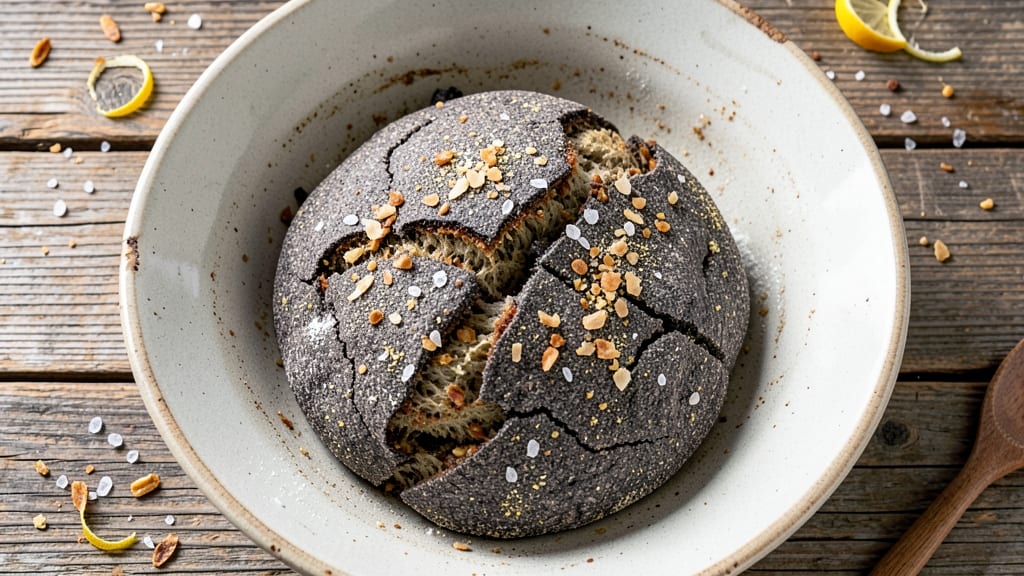
The rich, malty aroma of freshly baked Austrian rye bread fills any kitchen with warmth and tradition. This recipe delivers a dark, hearty crust with a dense, slightly sweet crumb—perfect for pairing with cold cuts or sharp cheeses.
The secret lies in a sourdough starter and precise fermentation, creating that signature depth you can't find in store-bought loaves.
What sets this bread apart is its high hydration and slow fermentation, which develop complex flavors over time. The dough requires patience—24 hours of cold proofing ensures a well-developed gluten structure and that signature tang.
Traditional Austrian techniques like steam baking create the signature crusty exterior while keeping the interior moist and tender.
By the time you pull this loaf from the oven, you'll have a golden-brown crust with a crackly texture that gives way to a dense, slightly sweet crumb.
The aroma alone makes it worth the effort, but the first bite—earthy, malty, with just the right amount of tang—is what keeps bakers coming back for more.
Serve it warm with butter, or let it cool completely for slicing—this bread shines as a centerpiece for charcuterie boards or alongside hearty Austrian dishes. The foolproof method ensures consistent results, even for home bakers.
Let's get started on this classic recipe that brings a taste of Austria to your kitchen.
Ingredients for austrian rye bread
Gather these essentials for a rye loaf with deep malty flavor and signature Austrian crust.
| Ingredient | Amount | Notes |
|---|---|---|
| Active Sourdough Starter 🍞 | ½ cup | 100% hydration, fed and bubbly |
| Dark Rye Flour 🌾 | 3 cups | Pumpernickel or whole grain preferred |
| All-Purpose Flour 🌾 | 1 cup | For structure and lightness |
| Light Brown Sugar 🍚 | ¼ cup | For subtle sweetness and crust |
| Instant Yeast 🍞 | ¼ tsp | For reliable fermentation |
| Malt Powder 🌾 | 1 tbsp | Enhances malty flavor |
| Kosher Salt 🧂 | 1 ½ tsp | Diamond Crystal preferred |
| Cold Water 💧 | 1 ¾ cups | Chilled for precise hydration |
| Honey 🍯 | 1 tbsp | For crust color and sweetness |
| Unsalted Butter 🧈 | 2 tbsp | Cold, cubed for scoring |
| Ice Cubes ❄️ | 1 cup | For steam during baking |
| Cornmeal 🌽 | ½ cup | For dusting parchment |
The sourdough starter is non-negotiable here—it's what gives this bread its signature tang. King Arthur or Boudin Bakery starters are reliable, but your own well-fed starter works too. Look for one that's bubbly and active with a slight tang. For the rye flour, Pumpernickel delivers that classic dark color and robust flavor, but whole grain rye works in a pinch. The malt powder is key for that deep malty aroma—Briess or Bob's Red Mill are solid choices. If you're short on time, you can use 1 extra tbsp of honey to compensate for the malt, but it won't be quite the same.
No malt powder? Extra dark molasses at half the amount adds depth, though it'll be slightly sweeter. Running low on dark rye? Substitute half with whole wheat flour, but expect a slightly lighter crumb. The honey can be swapped for maple syrup, though it'll affect the crust color. For the butter, European-style unsalted (like Plugrá) has higher fat content and melts beautifully for scoring. If you're baking in a dry climate, add 1 extra tbsp of water to the dough—high hydration is crucial for that dense crumb. The ice cubes in the Dutch oven create steam, so if you're short, spray the oven walls with water instead.
This dough needs 24 hours of cold proofing—don't rush it. Shape it into a round boule, cover tightly, and refrigerate. The butter for scoring should be cold but not rock-hard—press it into the dough just before baking. For the Dutch oven, if you don't have one, use a heavy oven-safe pot with a lid. The bread keeps well for 5-7 days wrapped in a cotton towel, but it's best within the first 2 days. Freeze slices for up to 3 months—toast straight from frozen for maximum freshness. The aroma alone makes this worth the effort.
Why You'll Love This Recipe
- Sourdough Shortcut: I keep a starter going anyway—this just uses what’s already there. No extra yeast packets, no waiting for wild fermentation if I’m in a hurry. The dark rye flour does all the heavy lifting for that deep, malty flavor.
- Sweet-Savory Magic: That light brown sugar? It’s not just for looks—it caramelizes just enough to balance the rye’s earthiness. Honestly, the first time I bit into a slice still warm, I forgot it was bread. It’s that good.
- Weeknight Hero: Toss together the dough in the morning, let it rise while you’re at work, and bake it after dinner. It’s my go-to for sandwiches, toast, or even French toast—no one ever guesses it’s made with sourdough starter.
- Budget-Friendly Staple: Dark rye flour is cheaper than buying pre-made rye bread, and the starter lasts forever. I make a big batch, freeze half, and still have fresh bread for days. My wallet and my lunchbox thank me.
Step-by-step instructions for Austrian rye bread
This method delivers a rich, malty loaf with a deep crust—just like Vienna bakeries make.
Mix the Dough for Maximum Flavor Development
In a large mixing bowl, combine the 0.5 cup Active Sourdough Starter, 3 cups Dark Rye Flour, 1 cup All-Purpose Flour, 0.25 cup Light Brown Sugar, 0.25 tsp Instant Yeast, 1 tbsp Malt Powder, and 1.5 tsp Kosher Salt. The rye flour will be dense, so use a wooden spoon or dough whisk to break up any clumps before adding the 1.75 cups Cold Water and 1 tbsp Honey. Mix until just combined—you want a shaggy, sticky dough that clings to the bowl.
Here's the thing—this dough needs time to hydrate fully. Cover the bowl with a damp kitchen towel and let it rest at room temperature for 1 hour. This step allows the gluten to relax and the flavors to meld. You'll notice the dough becomes slightly more cohesive and less sticky as it develops. Don't skip this—it's what gives Austrian rye its signature depth.
Knead and Shape for an Open Crumb
After the initial rest, transfer the dough to a lightly floured surface. I like to use the cornmeal here to prevent sticking—sprinkle a thin layer on the counter. Knead gently for 5-7 minutes until the dough comes together into a smooth, slightly tacky ball. The rye flour makes this dough more resistant than wheat-based doughs, so don't overwork it—just enough to develop structure without activating too much gluten.
Once kneaded, shape the dough into a round boule by pulling the sides toward the center and sealing the seam. Place it seam-side up in a lightly greased bowl, cover with the damp towel again, and let it proof at room temperature for 2-3 hours or until it has visibly expanded by about 50%. The dough should feel springy when pressed gently with a finger—this indicates it's ready for scoring.
Prepare for Baking with Cold Butter and Ice
Preheat your oven to 375°F with a Dutch oven inside for 30 minutes—this ensures even heat distribution. While the oven heats, take the 2 tbsp Unsalted Butter and cut it into small cubes. Place the dough on a piece of parchment paper and gently score the top with a sharp razor blade or lame, making a cross pattern about ¼ inch deep. This creates steam channels for that signature open crumb.
Here's where the magic happens: place the 1 cup Ice Cubes on top of the scored dough. As they melt during baking, they create steam that develops that signature dark, crispy crust and open crumb structure. Transfer the parchment and dough to the preheated Dutch oven, cover with the lid, and bake for 50 minutes. The ice will create a dramatic temperature shift that's crucial for this bread's texture.
Develop the Crust and Finish Baking
After 50 minutes, remove the lid and continue baking for another 15-20 minutes until the crust is deep mahogany brown and sounds hollow when tapped on the bottom. The internal temperature should reach 205°F—this ensures a fully baked crumb. If the top browns too quickly, tent loosely with foil to prevent burning while allowing the crust to develop fully.
Remove from the oven and let the bread cool on a wire rack for at least 1 hour before slicing. This resting period allows the crumb to set and prevents a gummy texture. The bread will continue steaming inside, developing its full malty depth. Once cool, slice with a serrated knife for that perfect balance of dense crumb and crispy crust—each bite should deliver layers of rye flavor with just the right amount of chew.
Pro Tips For Making Austrian Rye Bread
- Hydrate the Rye First: Dark rye flour absorbs water like a sponge—mix it with the starter and warm water before adding dry ingredients. I learned this the hard way after ending up with a dense, gummy loaf; pre-hydrating ensures even distribution and prevents clumping.
- Skip the Yeast Overkill: That extra pinch of instant yeast won’t speed things up—it’ll just make your bread taste bitter. Stick to the recipe’s amount, and if your starter’s sluggish, blame the weather, not the yeast.
- Proof at Room Temp: Cold slows fermentation; let the dough rise in a warm spot (75–80°F) for 2–3 hours. I used to rush it in the fridge, and the flavor suffered—warmth is your friend here, even if your kitchen isn’t.
- Score Deep and Fast: Use a razor blade (not a dull knife) and cut through the crust, not just the surface. A shallow slash won’t steam properly, and your bread will end up dense. Do it right before baking—no second chances.
Creative variations of these flavors
Classic Vienna Style
For a lighter, slightly sweeter take, replace half the dark rye flour with white rye flour and add 1 extra tablespoon of honey. This variation mimics the Vienna bakeries' approach, creating a loaf with a golden crust and a touch more tenderness.
Brush the baked bread with melted butter mixed with 1 teaspoon of cinnamon sugar for a festive finish that pairs beautifully with apple compote or jam. 🍯
Spiced Rum Rye
Infuse your dough with warmth by adding 1 tablespoon of spiced rum (like Captain Morgan Original) to the initial mix. The alcohol enhances fermentation while adding subtle caramel notes. For extra depth, sprinkle ½ teaspoon of ground cardamom into the dough.
This variation shines when served with aged cheddar or smoked salmon—the rum's spice complements the rye's earthiness beautifully. 🍺
Seed-Enhanced Crust
Boost texture and nutrition by mixing 2 tablespoons of toasted pumpkin seeds or sunflower seeds into the dough during the final knead. For a nutty twist, add 1 tablespoon of chopped walnuts.
Press seeds into the scored crust before baking—they'll create a crunchy contrast to the soft interior. This version works especially well with herb spreads or sharp mustards for a charcuterie board. 🌾
Savory Herb Loaf
Transform this bread into a savory masterpiece by omitting the sugar and adding 1 tablespoon of dried rosemary and 1 teaspoon of smoked paprika to the dough. Finish with a garlic butter wash (mix 1 tablespoon softened butter with 1 minced garlic clove) brushed on after baking.
This variation pairs perfectly with grilled meats or roasted vegetables, offering a hearty alternative to sweet rye. 🌿
Gluten-Free Adaptation
For a gluten-free version, replace the all-purpose flour with 1 cup gluten-free 1:1 baking flour (like Bob's Red Mill) and add ½ cup white rice flour for structure. Use 1 extra tablespoon of xanthan gum to mimic gluten's elasticity.
Expect a slightly denser crumb but maintain the same malty depth. This adaptation works well with soft cheeses or hummus for dipping. 🌱
Sweet Cinnamon Swirl
Create a showstopper by rolling out half the dough, spreading 2 tablespoons of cinnamon sugar, and wrapping it into a log before shaping. Score the top with a crosshatch pattern and bake as directed.
The result is a sweet-savory hybrid with pockets of cinnamon-sugar crunch. Serve warm with whipped cream or caramelized onions for a breakfast-worthy treat. 🍯
Nutrition facts
Frequently asked questions
Why does Austrian rye bread need such a long fermentation?
The extended 24-hour cold proof is essential for developing the bread's signature malty depth and complex flavors. This slow fermentation breaks down starches into sugars, creating that signature tang and enhancing the rye's natural sweetness. It also improves gluten development for a better crumb structure. Think of it as letting the flavors "marinate" in the dough!
Can I make this bread without a Dutch oven?
Yes, but you'll need to create steam another way. Place a metal tray on the oven rack below your bread pan, then pour 1 cup boiling water into it when you put the bread in the oven. For 375°F baking, cover the pan with foil for the first 30 minutes to trap steam. The crust won't be quite as dramatic, but the interior will still be excellent.
What's the best way to store Austrian rye bread?
Wrap the cooled loaf in a cotton towel (not plastic) and store at room temperature for up to 5-7 days. For longer storage, slice and freeze individual portions. Toast straight from frozen for maximum freshness. The towel helps maintain moisture while allowing airflow to prevent sogginess.
How can I tell if my sourdough starter is ready?
Your starter should be bubbly and active with a slight tang when fed. It should double in size within 4-6 hours after feeding (mix equal parts starter and water, then feed with flour). For this recipe, use a starter that's 100% hydration—it should resemble thick pancake batter. If it smells strongly alcoholic, feed it 1-2 more times before using.
Why did my bread turn out dense instead of crusty?
This usually happens from either underproofing or insufficient steam during baking. Make sure your dough expands by 50% during proofing and that you're generating plenty of steam (ice cubes or boiling water). Also check your oven temperature—375°F is critical. If the dough was too stiff, try adding 1 extra tbsp of water next time. The high rye content makes this bread naturally dense, but proper technique prevents it from being too heavy.