
Side Dishes
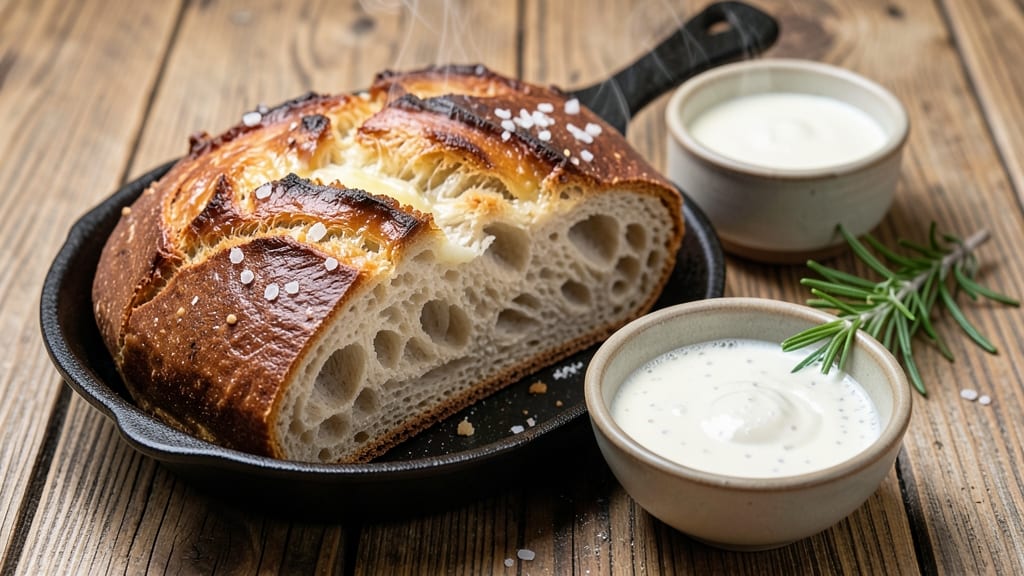
This authentic Irish bread recipe brings the heart of Ireland to your kitchen table with its rustic charm and golden crust. 🌾 The magic lies in traditional ingredients like buttermilk and whole wheat flour, creating a loaf that's as comforting as it is delicious.
I've perfected this recipe over years of baking, ensuring every slice delivers that signature tender crumb and slightly crisp exterior.
The beauty of Irish soda bread is its simplicity—no yeast required, just a few pantry staples and about 30 minutes of hands-on time. The bread develops its signature texture from baking soda, which creates a light, airy interior while the crust turns golden and buttery.
This recipe stays true to its roots while being approachable enough for home bakers.
What makes this bread truly special is its versatility—serve it warm with butter, pair it with soups, or enjoy it alongside a hearty stew. The slight tang from buttermilk adds depth, while the whole wheat flour keeps it hearty and satisfying.
Each batch yields a loaf that's perfect for sharing, whether for a cozy family dinner or a festive gathering.
For those seeking variations, you can easily adapt this recipe to include seeds, raisins, or even a touch of honey for added sweetness. The traditional method ensures authenticity, but the flexibility allows you to make it your own. Let’s get started on creating this timeless Irish treasure.
Ingredients for authentic irish bread
Pantry staples meet Irish tradition—just nine ingredients for rustic perfection.
| Ingredient | Amount | Notes |
|---|---|---|
| All-Purpose Flour 🌾 | 3 cups | Sifted for best texture |
| Whole Wheat Flour 🌾 | 1 cup | For hearty texture |
| Buttermilk 🥛 | 1 ¼ cups | Room temperature preferred |
| Baking Soda 🧂 | 1 tbsp | Freshly opened for potency |
| Salt 🧂 | ½ tsp | Fine sea salt preferred |
| Unsalted Butter 🧈 | ½ cup | Cold, cubed for crust |
| Honey 🍯 | 1 tbsp | Wildflower for depth |
| Fresh Chives 🌿 | 2 tbsp | Chopped, optional garnish |
| Sesame Seeds 🌰 | 1 tbsp | Optional for crunch |
The buttermilk is non-negotiable here—it gives that signature tang, but plain yogurt thinned with milk works in a pinch. For flours, King Arthur or Bob's Red Mill are my go-tos, but any all-purpose will do. The whole wheat adds heartiness without overpowering. If you're feeling fancy, grab Irish sea salt from specialty stores—it's worth the extra touch for an authentic flavor. Baking soda? Always check the expiration date—old stuff loses its lift.
No buttermilk? Mix 1 tablespoon vinegar or lemon juice with 1 cup milk to mimic it. Skipping honey? Maple syrup works too, though it'll be slightly sweeter. For seeds, sesame is classic, but poppy seeds or flaxseeds add nice texture. The butter on top is key—don't skip it! If you're short on time, olive oil brushed on top gives a similar golden crust. And if you're adding extras like raisins or nuts, fold them in last so they don't get overmixed.
This bread keeps best at room temperature for 2-3 days wrapped in a cloth, but it reheats beautifully. For longer storage, freeze slices wrapped in foil for up to 3 months. I always make an extra loaf—it's perfect for toast the next day. The crust stays crisp for about an hour after baking, so enjoy it fresh or stash it in the freezer for later.
Why You'll Love This Recipe
- No Mixer Needed: Mixing this dough is ridiculously simple—just fold the whole wheat and all-purpose flours together, pour in that tangy buttermilk, and let the baking soda do its magic. I’ve made it with my hands, a wooden spoon, even a fork while watching TV. No fancy tools, no stress.
- Tangy, Toasty Magic: That buttermilk isn’t just there to make the dough work—it’s the secret to the bread’s signature depth. The whole wheat adds a subtle earthiness, while the baking soda gives it a light, airy crumb that’s dangerously addictive when still warm. Honestly? It’s the kind of bread that disappears faster than you can say “soda bread.”
- Breakfast or Snack: Slice it thick for a hearty breakfast with butter and jam, or tear it into chunks for a quick lunch with soup. I’ve even used it as a base for open-faced sandwiches—no fancy bread needed. Between us, it’s my go-to for when I’m too tired to bake but still want something real.
- Budget-Friendly Staple: Five ingredients, zero waste. The whole wheat adds fiber, the buttermilk stretches the dough, and a single loaf feeds my family for days. Freeze half the batch, toast it later, and you’ve got a 5-minute solution for lazy mornings. My wallet—and my taste buds—thank me every time.
Step-by-step instructions for authentic Irish soda bread
Here's how to make traditional Irish soda bread with a crisp buttery crust—just like your favorite pub bakery.
👨🍳 Step 1: Mix the Dough with Buttermilk Magic
In a large mixing bowl, combine the 3 cups all-purpose flour and 1 cup whole wheat flour. Sift them together for that signature light texture—this prevents dense bread. Make a well in the center and add the 1.25 cups buttermilk (room temperature works best), 1 tbsp honey, and 0.5 tsp salt. I like to mix this with a wooden spoon first to keep the gluten from developing too much.
Stir until just combined—you'll see some dry bits remain, and that's perfect for that tender crumb. The buttermilk creates steam during baking, giving you that classic open crumb structure. Don't overmix or your bread will turn out tough instead of tender.
🍳 Step 2: Fold in Butter and Baking Soda
Cut the 0.5 cup cold unsalted butter into small cubes and distribute them evenly over the dough. Using your hands, gently work the butter into the flour mixture until you can see small pea-sized pieces throughout. This creates those delicious buttery pockets when baked.
Add the 1 tbsp baking soda and fold it in quickly—this is the secret to that signature rise. The reaction between baking soda and buttermilk creates carbon dioxide bubbles, which lift the bread. Mix just until combined, then turn the dough out onto a lightly floured surface and shape it into a round loaf about 1 inch thick.
🔥 Step 3: Preheat and Prepare for Baking
Preheat your oven to 400°F. Place a baking sheet on the middle rack and line it with parchment paper. Here's a pro tip: I like to make a small dimple in the center of the dough with my thumb—this helps prevent cracking as it bakes and gives you that classic cross pattern when you cut it open.
Brush the top of the loaf with a little more buttermilk or melted butter for that golden crust. Sprinkle with 1 tbsp sesame seeds and 2 tbsp chopped fresh chives for extra flavor and texture. The seeds add a nice crunch while the chives give a fresh herbal note that pairs perfectly with Irish butter.
🔥 Step 4: Bake Until Golden and Crisp
Bake for 35-40 minutes until the bread is deep golden brown on top and sounds hollow when tapped on the bottom. The crust should be crisp enough to stand up but not so hard it cracks when sliced. I usually check at the 30-minute mark—every oven runs slightly differently, so watch for that perfect golden color.
Let the bread cool on a wire rack for at least 10 minutes before slicing. This resting time allows the crumb to set properly and prevents a gummy texture. The bread will be warm and fragrant, with that perfect balance of buttery crust and tender interior—just like authentic Irish soda bread should be.
Pro Tips For Making Authentic Irish Bread
- STIR THE BUTTERMILK: Mix the buttermilk into the wet ingredients last—right before folding it into the dry. I used to add it early, and the dough always turned out dense. The acid needs to activate the baking soda fresh, not sit waiting.
- MEASURE FLOUR BY WEIGHT: Ditch the cups—use a scale for the flour mix. Whole wheat packs differently than all-purpose, and scooping leads to uneven texture. A 5% error in volume makes a noticeable difference in crumb.
- DON’T OVERMIX THE DOUGH: Stop folding the flour-buttermilk mix when it just comes together. Irish soda bread relies on tender structure, not gluten development. Overworking it turns the bread into a brick—trust the "shaggy" look.
- BAKE UNTIL INTERNAL TEMP HITS 205°F: Check doneness with an instant-read thermometer, not just color. The crust can look done while the center stays gummy. A toothpick test? Too late—this bread needs that exact temp for proper texture.
Regional styles of this authentic irish bread
Traditional Irish Soda Bread
This classic version uses just 4 ingredients—flour, buttermilk, baking soda, and salt—plus a touch of honey for subtle sweetness.
The bread’s signature cross is created by scoring the top with a sharp knife before baking, a technique dating back to 19th-century rural Ireland when bakers used whatever tools were handy. 🌾 For maximum authenticity, use wholemeal flour (British term for whole wheat) and Irish buttermilk if available.
Brown Bread Style
Originating in County Kerry, brown bread is denser and nuttier than soda bread, thanks to 100% whole wheat flour and a longer fermentation with yeast. Traditional recipes often include buttermilk and soda, creating a hybrid texture.
I recommend adding 1 tbsp molasses for depth—this version pairs perfectly with Irish stew or smoked salmon. The crust stays softer longer than soda bread.
Wheaten Bread Variations
For a lighter crumb, replace 25% of the flour with wheat flour (not whole wheat) and add 1 egg for structure. This Dublin-style wheaten bread was a staple in pubs and often served with butter and jam.
The key is not overmixing—handle the dough gently to keep it tender. Sprinkle poppy seeds on top before baking for a festive touch.
Modern Twists
Today’s Irish bakers often add seeds (sunflower, flax), dried fruit (currants, raisins), or even cheddar cheese for savory versions. My favorite shortcut? Swap buttermilk for Greek yogurt (thinned with water) when in a pinch.
For a gluten-free adaptation, use almond flour and xanthan gum, though texture will differ. These variations keep the tradition alive while adapting to modern tastes.
Regional Specialties
In Northern Ireland, you’ll find barmbrack—a sweet soda bread with raisins, sultanas, and citrus peel, traditionally baked for Samhain (Halloween). Meanwhile, Connemara oatcake blends oats and flour for a heartier texture, perfect with Irish tea.
Each region’s bread reflects local ingredients—sea salt from Galway, honey from Clare, or butter from Cork**. 💛
Nutrition facts
Frequently asked questions
Why does authentic Irish bread use baking soda instead of yeast?
Traditional Irish bread often skips yeast to create a quick-rise loaf that bakes in under 40 minutes. The baking soda reacts with buttermilk's acidity, producing carbon dioxide bubbles that lift the dough instantly. This method became popular in rural Ireland where yeast wasn't always reliable or available, making it perfect for farmhouse kitchens.
Can I make this bread without buttermilk?
Mix 1 tablespoon vinegar or lemon juice with 1 cup milk to mimic buttermilk's tang. For extra authenticity, use plain yogurt thinned with milk instead. The key is the acidity—it activates the baking soda for that signature rise. Just be sure to use room-temperature liquids for best results.
What's the best way to store leftover Irish bread?
Wrap cooled slices in a clean kitchen towel or beeswax wrap, then store at room temperature for 2-3 days. For longer storage, freeze slices wrapped in foil for up to 3 months. The crust stays crisp when reheated in a 350°F oven for 5-10 minutes—perfect for toast the next morning!
Why does my Irish bread turn out dense instead of light?
Overmixing develops too much gluten, making the bread tough. Mix just until combined—dry bits are normal! Also check your baking soda (must be fresh) and oven temperature (400°F is crucial). For extra lightness, sift your flours and don't press down on the dough when shaping.
What are some traditional ways to serve this bread?
Irish households serve soda bread warm with Irish butter and honey, alongside Irish stew or smoked salmon. For breakfast, try it with black pudding or cheddar cheese. The crust makes perfect toast for soldiers—just spread with butter and cut into strips!