
Side Dishes
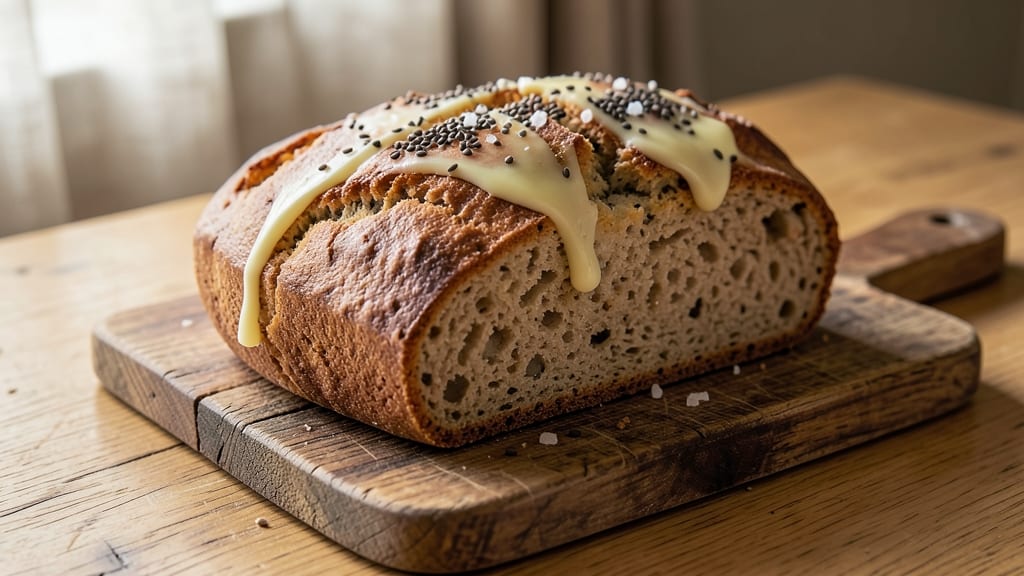
This authentic Irish brown soda bread brings a taste of Emerald Isle tradition to your kitchen table, with its signature rustic crust and buttermilk tang. 💛 The no-yeast, soda-based leavening method creates a dense, hearty loaf that's perfect for pairing with soups, butter, or a steaming cup of tea.
I've perfected this recipe over years of baking, ensuring every slice delivers that classic Irish flavor you crave.
The beauty of this recipe lies in its simplicity—just five core ingredients: flour, buttermilk, baking soda, salt, and a pinch of caraway seeds (if you're feeling traditional). The buttermilk gives it that signature tang, while the baking soda creates a light, airy crumb without needing yeast.
No fancy equipment required, just a bowl, a mixing spoon, and a baking sheet.
What makes this bread truly special is its versatility. You can make it with whole wheat flour for a nuttier flavor or even adapt it for gluten-free diets with the right flour blend.
The crust develops a beautiful golden-brown crust while staying tender inside, making each bite satisfyingly rustic. It's the kind of bread that feels like a warm hug from Ireland.
Serve it fresh from the oven with a pat of butter or alongside a hearty Irish stew for the full experience. The no-yeast method means it stays fresh longer too, perfect for meal prep or gifting. Let's get baking this classic loaf!
Ingredients for authentic irish brown soda bread
Five simple ingredients transform into Ireland's iconic rustic loaf with golden crust and tender crumb.
| Ingredient | Amount | Notes |
|---|---|---|
| All-Purpose Flour 🌾 | 3 cups | Plus 2 tbsp for dusting |
| Whole Wheat Flour 🌾 | 1 cup | For rustic texture |
| Buttermilk 🥛 | 1 ½ cups | Room temperature preferred |
| Baking Soda 🧂 | 1 tbsp | Freshly opened for best rise |
| Salt 🧂 | 1 tsp | Fine sea salt preferred |
| Ground Caraway Seeds 🌿 | 1 tsp | Traditional optional flavor |
| Unsalted Butter 🧈 | ½ cup | Cold, cubed for topping |
| Milk 🥛 | 2 tbsp | For brushing crust |
The flours are the heart of this bread—King Arthur or Bob's Red Mill all-purpose flours work best for texture. For the whole wheat, King Arthur or Arrowhead Mills brands have the right grind. Buttermilk should be room temperature when mixed—cold buttermilk can make the dough too stiff. If you can't find buttermilk, mix 1.5 cups milk with 1 tbsp vinegar and let sit for 5 minutes. Caraway seeds? Penzeys or bulk spice bins have the best quality—look for vibrant color and no off smells. The baking soda must be fresh; if it's been open for months, check the date or buy a new box.
No buttermilk? Plain yogurt thinned with milk works in a pinch, but the tang won't be identical. Whole wheat flour substitutions? Oat flour at 1:1 ratio keeps it lighter. For a nutty twist, substitute half with rye flour. Caraway seeds too strong? Skip them entirely or use 1/2 tsp fennel seeds instead. The butter topping should be cold cubes—don't melt it first. For extra crust color, brush with milk mixed with a pinch of turmeric after baking. The baking soda is non-negotiable here—baking powder won't give the same rise.
This bread stays fresh for 3-4 days wrapped in a cotton towel, but it's best the first day. For longer storage, freeze sliced portions wrapped in parchment—reheat in a 350°F oven for 5-7 minutes. The crust hardens as it cools, so always serve warm. I like to slice it 1/2-inch thick for perfect buttery layers. Leftovers? Toast them for breakfast—they become even more delicious. The dough can be mixed up to 24 hours ahead and refrigerated, but bake as soon as possible for best texture.
Why You'll Love This Recipe
- No-Knead Magic: I mix it, shape it, and forget it—no stand mixer, no fancy techniques. The buttermilk and baking soda do all the work while I sip tea. Honestly, my hands are cleaner than they’ve been in years.
- Crusty-Creamy Payoff: That crackly crust with a tender crumb inside? It’s all thanks to the whole wheat flour’s bite and the buttermilk’s tang. Toast it, and it’s like a warm hug in bread form.
- Weeknight Workhorse: Serve it with soup when you’re exhausted, tear it into breakfast toast when you’re rushed, or pack slices for lunch—it’s my go-to for any meal. (Yes, even on a Tuesday night.)
- Budget-Friendly Staple: Flour, buttermilk, salt—ingredients you already own. One loaf feeds the family, and leftovers toast up just as good the next day. My wallet and my stomach thank me.
Step-by-step instructions for authentic Irish brown soda bread
This traditional recipe delivers the signature dense crumb and tangy buttermilk flavor that defines Irish soda bread.
👨🍳 Step 1: Mix the Dry Ingredients
In a large mixing bowl, combine the 3 cups all-purpose flour and 1 cup whole wheat flour. Sift in the 1 tbsp baking soda and 1 tsp salt, then sprinkle the 1 tsp ground caraway seeds over the top. Use your fingers to gently break up any flour clumps and distribute the caraway seeds evenly throughout the dry ingredients.
I like to press the caraway seeds into the flour mixture rather than just sprinkling them on top. This ensures they're fully incorporated and won't settle at the bottom of your loaf. The whole wheat flour gives that characteristic rustic texture and nutty flavor that sets authentic Irish soda bread apart from white bread versions.
🥘 Step 2: Combine Wet Ingredients
In a separate bowl, measure the 1.5 cups buttermilk (room temperature works best). The buttermilk should be slightly thick but still pourable. Make a well in the center of your dry ingredients and pour in the buttermilk all at once. Using a wooden spoon or your hands, gently stir until just combined.
Here's the thing—don't overmix. The dough should come together into a shaggy mass that's still slightly crumbly. You'll want to handle it minimally from this point forward. The buttermilk's acidity reacts with the baking soda to create lift, so we want to preserve that chemical reaction by keeping the mixing gentle.
🍳 Step 3: Knead and Shape the Dough
Lightly dust your work surface with some of the 2 tbsp reserved flour (from the ingredients list). Turn out the dough and knead gently for about 2 minutes until it just holds together. You're not making bread dough—this should remain quite firm and slightly crumbly. Shape it into a round loaf about 8 inches in diameter.
For that classic Irish look, I press my thumb into the center of the loaf to create a slight indentation. This helps create the traditional "cross" pattern when we score it later. The dough shouldn't be sticky—if it is, you've added too much liquid. The texture should be firm enough to hold its shape when you pick it up.
🔥 Step 4: Bake for Crispy Crust and Tangy Crumb
Preheat your oven to 425°F. Place a baking sheet on the middle rack to preheat as well. Cut a 1-inch deep cross into the top of the loaf using a sharp knife—this prevents excessive expansion and gives that iconic Irish bread pattern. Brush the top generously with the 2 tbsp milk for a golden crust.
Bake for 30-35 minutes until the bread sounds hollow when tapped on the bottom and develops a deep golden brown crust. The internal temperature should reach 190-195°F. I always check for doneness by tapping the bottom—the hollow sound tells me it's fully baked through. The bread will continue cooking slightly as it cools, so don't overbake.
⏰ Step 5: Cool and Serve Traditionally
Remove the bread from the oven and transfer it to a wire rack. Let it cool completely for at least 1 hour before slicing. This resting period allows the crumb to set properly and prevents the bread from falling apart. The exterior should be crisp while the interior remains tender with that signature dense crumb.
For authentic serving, slice the bread horizontally and spread with Irish butter or serve alongside salted butter and honey. The flavor improves as it cools, developing that perfect balance of buttermilk tang and caraway warmth. Store any leftovers wrapped in a cloth to maintain freshness for up to 3 days.
Pro Tips For Making Authentic Irish Brown Soda Bread
- STOP MEASURING BY VOLUME: The whole wheat flour in this dough clumps like a stubborn cat in a bathtub. Spoon it into the bowl first, then level with a butter knife—don’t scoop. I learned this the hard way when my loaf turned into a dense brick because I packed the flour too tightly.
- LET THE BUTTERMILK SIT: Cold buttermilk straight from the fridge makes the gluten fight you. Let it warm to room temperature first—about 10 minutes on the counter—so it mixes smoothly with the dry ingredients. Trust me, your dough will thank you with a lighter crumb instead of a gummy mess.
- DON’T OVERKNEAD THE DOUGH: Two minutes of gentle folding is all you need—any more and you’ll toughen the bread like overworked leather. Use a rubber spatula to coax the dough together, then stop when it holds its shape. Overmixing is how you end up with a chewy loaf instead of that classic tender crumb.
- BAKE ON THE STONE: Skip the metal pan unless you want a dense, steam-trapped loaf. A preheated baking stone (or even an upside-down baking sheet) gives the bread a crisp crust and even rise. Slide the dough on parchment directly onto the stone—no greasing needed—and rotate halfway through for a perfect golden dome.
Dietary considerations for this authentic irish brown soda bread
Gluten-Free Adaptation
For a gluten-free version, replace the all-purpose and whole wheat flours with a 1:1 gluten-free flour blend like King Arthur Measure for Measure. You'll need about 4 cups total to maintain structure.
Add 1 extra tbsp xanthan gum to the dry ingredients for better binding. The buttermilk quantity stays the same, but the dough will be more delicate—handle it gently to avoid crumbling. 💫
Vegan Substitutions
To make this bread vegan, swap the butter topping for vegan butter like Miyoko's or Earth Balance. For the milk brushing, use unsweetened almond milk or oat milk.
The buttermilk can be replaced with vegan buttermilk (made by mixing 1.5 cups plant-based milk with 1 tbsp vinegar and letting it sit for 5 minutes). The flavor stays tangy, but the texture will be slightly denser.
Dairy-Free Options
Skip the butter topping entirely or use olive oil brushed on top for a crisp crust. For the buttermilk, use dairy-free buttermilk (like Silk) or the vegan substitution above. The bread will still have that signature tang, but without dairy.
I find the crust benefits from brushing with a mix of olive oil and water (1:1 ratio) for extra shine and crunch.
Nut-Free Considerations
If you're avoiding nuts, stick to the original flour blend or use a nut-free gluten-free flour blend like Bob's Red Mill 1-to-1. Avoid adding any nut-based flours (like almond flour) that might be in some commercial blends.
The bread will still be hearty and flavorful without any nutty additions. Always check labels on pre-made flour blends for hidden nut traces.
Low-Sodium Version
Reduce the salt to just ½ tsp for a lower-sodium option. The buttermilk and baking soda still provide enough flavor, so you won't sacrifice taste. If you're watching sodium closely, also check your buttermilk brand—some contain added salt.
The bread will still have that satisfying tang, but with less saltiness. Pair it with unsalted butter to control your sodium intake further.
Nutrition facts
Frequently asked questions
Why does authentic Irish soda bread use baking soda instead of yeast?
Traditional Irish soda bread relies on baking soda for its quick rise and no-yeast method, which was practical before commercial yeast became widely available. The baking soda reacts with the buttermilk's acidity to create carbon dioxide bubbles, giving the bread its signature dense yet tender crumb. This method also means the bread bakes quickly—perfect for rustic kitchens!
Can I make this bread without caraway seeds?
While caraway seeds add that classic Irish flavor, they're optional. For a simpler version, just omit them entirely. If you prefer a different taste, try 1/2 tsp fennel seeds or even a pinch of black pepper for warmth. The bread will still be delicious without them.
How do I know when the bread is fully baked?
Look for three signs: the crust should be deep golden brown, tapping the bottom should sound hollow, and the internal temperature should reach 190-195°F. If you're unsure, cut a small slice—it should be fully set with no raw dough inside. The bread will continue firming up as it cools.
Why did my soda bread turn out dense and heavy?
Overmixing the dough or using old baking soda are common culprits. Handle the dough gently (just until combined) and use freshly opened baking soda. Also ensure your buttermilk is room temperature—cold buttermilk can prevent proper rise. For extra lift, try adding 1 tbsp lemon juice to the buttermilk.
Can I make this bread in a Dutch oven?
While not traditional, you can use a Dutch oven for a crispier crust. Place the shaped loaf in a cold Dutch oven, cover, and bake at 425°F for 20 minutes before uncovering for the remaining 15-20 minutes. The steam helps create a thicker crust, but the texture will be slightly different from the classic method.