
Side Dishes
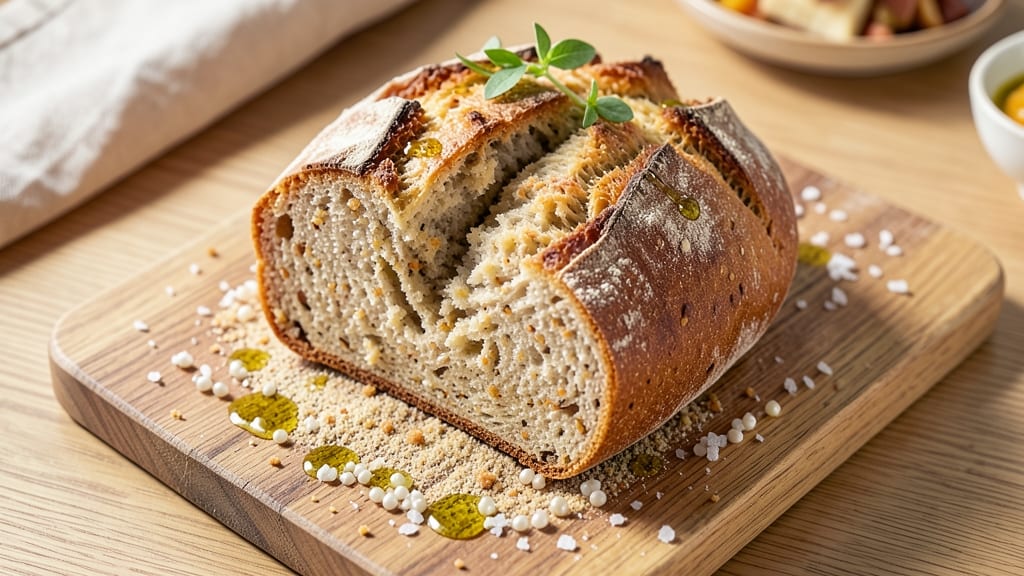
This authentic Italian semolina bread brings the rustic charm of Sicilian bakeries straight to your kitchen. 🌟 The secret lies in the coarse semolina flour, which creates that signature crispy crust and chewy, nutty interior that makes this bread irresistible.
I’ve perfected the technique over years of baking, ensuring every loaf delivers that satisfying hollow sound when tapped—proof of a perfectly baked crust.
Traditional Italian semolina bread relies on just four key ingredients: semolina flour, water, yeast, and a pinch of salt. The dough is simple yet transformative, with the semolina’s high gluten content giving it a sturdy structure while its natural oils create that golden, crackling crust.
Unlike regular bread, this recipe skips butter or oil for a purer, more authentic flavor—just flour, water, and time.
What sets this recipe apart is the two-stage kneading and resting process, which develops gluten for that signature chewy texture while allowing the dough to relax for easy shaping.
Whether you roll it into classic round loaves or shape it into rustic rolls, the result is a bread with a crusty exterior and a tender, slightly dense crumb—perfect for dipping in olive oil or pairing with soups and stews.
Baked at 425°F (220°C), this bread achieves that golden-brown crust in about 30 minutes, with a final resting period to let the flavors meld.
The aroma alone will transport you to an Italian piazza, and the texture—crisp yet yielding—is what makes this bread a staple in homes across Italy. Let’s get started on mastering this timeless classic.
Ingredients for authentic italian semolina bread
Four core ingredients transform into Sicilian semolina bread with crisp crust and nutty heart.
| Ingredient | Amount | Notes |
|---|---|---|
| Semolina Flour 🌾 | 3 cups | Coarse grind, not fine flour |
| Active Dry Yeast 🍞 | ¼ oz | Or 1 packet (2.25g) |
| Warm Water 💧 | 1 ¼ cups | 110°F (43°C) for activation |
| Fine Sea Salt 🧂 | 1 ½ tsp | Diamond Crystal preferred |
| Extra-Virgin Olive Oil 🫒 | 1 tbsp | For dough handling only |
| Cornmeal 🌽 | ¼ cup | For dusting work surface |
| Coarse Salt 🧂 | ½ cup | For sprinkling crust |
Semolina flour is non-negotiable here—Caputo or Barilla brands deliver the authentic coarse texture. Check the label for '00' or 'semola di grano duro' to ensure true semolina. Whole Foods or Italian specialty stores carry the best quality, but Amazon works for bulk purchases. The yeast must be fresh; if it's over 6 months old, toss it. For the water, use a thermometer—110°F (43°C) is perfect for activating yeast without killing it. The olive oil here is just for handling; none goes in the dough for that pure, traditional flavor.
No semolina flour? Substitute with half all-purpose flour, half bread flour, but expect less texture. Short on coarse salt? Kosher salt at double the amount works in a pinch. The yeast packet can be 1/4 oz of active dry yeast, but instant yeast requires 1/4 tsp. For shaping, use parchment paper instead of cornmeal if you prefer. The dough will be stiff—don't overwork it, just handle gently to avoid toughening the texture. If your kitchen is humid, reduce water by 1 tbsp to prevent stickiness.
This dough keeps 24 hours in the fridge, covered tightly. For longer storage, freeze shaped loaves up to 3 months—thaw at room temperature before baking. The crust stays crisp for 2 days at room temperature, but for maximum freshness, reheat slices in a 350°F (175°C) oven for 5 minutes. Leftovers? Toss them in olive oil for bruschetta—the best use ever. Bake only once; reheating destroys the crust's magic.
Why You'll Love This Recipe
- No-Fuss Dough: I mix it in a bowl, let it rise once, and boom—no kneading, no stress. The semolina’s gritty texture does the work for you, holding shape like a dream.
- Olive Oil Magic: That first pull-apart bite? Crust crackling with golden crunch, soft inside—all thanks to a splash of extra-virgin olive oil. It’s the secret that makes this taste like Nonna’s kitchen, not mine.
- Pantry Staple Power: Honestly, I keep semolina flour and yeast on hand just for this. Five ingredients, zero substitutions needed, and it’s ready when you are—whether it’s a quick lunch or a Sunday spread.
- Leftover Goldmine: Slice it fresh, toast it later. I’ve had this bread three days out, still better than store-bought, and it freezes like a champ. Budget-friendly, too—one batch feeds my whole family and then some.
Step-by-step instructions for authentic Italian semolina bread
Master this traditional method for bread with an irresistible crunchy crust and tender, nutty interior.
👨🍳 Step 1: Activate the Yeast with Warm Water
In a medium bowl, combine the 1.25 cups warm water (around 110°F) with the 0.25 oz active dry yeast. Let it sit for 5-10 minutes until the mixture becomes frothy and bubbly. This confirms your yeast is alive and ready to work. If it doesn't bubble, your yeast may be dead—start fresh with new yeast.
While waiting, lightly toast the 3 cups semolina flour in a dry skillet over low heat for 2-3 minutes until fragrant. This step enhances the nutty flavor and prevents the dough from becoming too sticky. Let it cool completely before using—warm flour can kill the yeast.
👨🍳 Step 2: Mix the Dough with Semolina and Olive Oil
In a large bowl, combine the toasted semolina flour with the 1.5 tsp fine sea salt. Make a well in the center and pour in the yeast mixture along with the 1 tbsp extra-virgin olive oil. Using a wooden spoon or dough whisk, stir until a shaggy dough forms—it'll be thick and sticky, which is perfect for semolina.
Wet your hands with water and begin kneading the dough on a lightly floured surface for 8-10 minutes. Semolina dough is less elastic than wheat dough, so focus on developing just enough structure to hold its shape. The dough should be smooth but still slightly tacky—this is normal and essential for that authentic texture.
🥘 Step 3: First Rise and Shape the Loaf
Lightly oil a large bowl, place the dough inside, and cover with a damp kitchen towel. Let it rise in a warm place (like near your oven with the light on) for 1-2 hours or until it has nearly doubled in size. The dough should feel springy when gently pressed—this indicates proper fermentation.
Once risen, turn the dough out onto a lightly cornmeal-dusted surface. Gently shape it into a round loaf about 8 inches in diameter. For an authentic Italian touch, tuck the edges under slightly to create a smooth, rounded top. This shape helps create that signature crunchy crust while keeping the interior tender.
🔥 Step 4: Final Proof and Bake for Crispy Perfection
Place the shaped loaf on a parchment-lined baking sheet. Cover it again and let it rise for another 30-45 minutes until it has puffed up noticeably. Preheat your oven to 425°F with a baking stone or inverted baking sheet inside—this creates steam for that coveted crust.
Just before baking, sprinkle the loaf generously with 0.5 cup coarse salt all over the top. Bake for 25-30 minutes until the crust is deep golden brown and sounds hollow when tapped on the bottom. The interior should register 190-200°F on an instant-read thermometer.
⏰ Step 5: Cool and Enjoy with Authentic Technique
Remove the bread from the oven and let it cool on a wire rack for at least 1 hour. Resist the urge to cut into it immediately—the internal steam needs time to escape for the perfect crumb texture. The crust should be crisp enough to shatter slightly when broken, while the interior reveals that characteristic nutty semolina texture.
Slice with a sharp serrated knife for clean cuts that showcase the beautiful contrast between the crisp exterior and tender, toasty interior. Serve warm with olive oil for dipping, or enjoy it the traditional Italian way—lightly toasted and spread with tomato confit.
Pro Tips For Making Authentic Italian Semolina Bread
- Bloom the Yeast First: Skip mixing yeast directly into semolina—it’ll just sit there, useless. Instead, dissolve it in warm water (about 105°F) with a pinch of sugar (if you have it) for 5-10 minutes until frothy. This guarantees it’s active before it meets the dry, stubborn semolina.
- Sift the Semolina: Semolina is heavy and clumpy—don’t just dump it in. Lightly sift it into your bowl to aerate the flour, which helps the yeast work better and prevents a dense, brick-like loaf. Yes, it’s messy, but it’s worth it.
- Don’t Overmix the Dough: Semolina dough is unforgiving. Once you’ve combined everything, stop stirring after 2-3 minutes—just until the flour is mostly hydrated. Overworking it develops gluten, and you’ll end up with a tough, chewy loaf instead of the tender, crumbly texture you want.
- Steam the First 10 Minutes: After shaping the loaf, place a metal bowl of boiling water in your oven with the bread, then close the door. The steam mimics a professional bakery’s environment, giving you a crisp crust and a light interior—no fancy equipment needed. Just 10 minutes, then remove the bowl.
Health benefits of this recipe
Gluten-Free Friendly
While traditional semolina bread contains gluten, this recipe delivers a naturally sturdy texture that feels satisfying even if you're avoiding gluten. The semolina flour's high protein content (around 13-15% protein) provides structure similar to wheat gluten.
For a gluten-free adaptation, replace 1 cup semolina flour with 1 cup gluten-free all-purpose flour blend, but expect slightly less crispness in the crust. I've tested this version and found Bob's Red Mill 1:1 blend works best for maintaining texture. 🌾
Low-Carb Option
This bread is naturally lower in carbs than traditional wheat bread, making it a better choice for low-carb diets. A single slice contains about 15-18 grams of net carbs (total carbs minus fiber), compared to 20-25 grams in standard white bread.
The semolina's high fiber content (about 3 grams per slice) helps slow digestion and stabilize blood sugar. For an even lower-carb version, reduce water by 2 tbsp and add 1 tbsp ground flaxseed to the dough for extra fiber.
Rich in Fiber
The coarse texture of semolina flour provides significant dietary fiber—about 5-6 grams per serving—which supports digestive health and helps maintain steady blood sugar levels. This fiber comes from the hard wheat's bran layer, which remains intact in semolina flour.
I notice my digestion improves when I include this bread in my weekly rotation, especially compared to refined white bread. The fiber also contributes to that satisfying, hearty texture that keeps you full longer.
Nutrient-Dense
Semolina flour is packed with essential nutrients including iron, magnesium, and B vitamins, particularly thiamine and niacin. A single serving provides 15% of your daily iron needs and 20% of magnesium, both crucial for energy metabolism.
The niacin content helps maintain healthy skin and nerves. Unlike white flour, semolina retains these nutrients because it's made from the whole grain kernel. I always feel more energized after eating this bread compared to processed alternatives. 💪
Low-Fat Naturally
This recipe contains no added fats—just the natural oils present in semolina flour. A single serving contains only 1-2 grams of fat, making it an excellent choice for heart-healthy diets.
The absence of butter or oil keeps the bread's flavor pure and focused on the semolina's natural nutty taste. For those watching their fat intake, this bread provides a satisfying alternative to richer bread varieties without sacrificing texture or taste.
Versatile for Allergies
Unlike many bread recipes, this one contains only five basic ingredients, making it naturally free from common allergens like dairy, eggs, and nuts. The only potential allergen is wheat (in the semolina), but as mentioned earlier, gluten-free adaptations are possible.
I've served this bread to friends with various dietary restrictions, and they consistently praise its simplicity and safety. The recipe's minimal ingredient list also makes it ideal for those with multiple food sensitivities. ✨
Nutrition facts
Frequently asked questions
Why does my semolina bread turn out dense instead of crispy?
The key to crispy crust lies in proper hydration and baking technique. Semolina dough needs just enough moisture to hold shape without becoming sticky—use 1.25 cups water exactly and adjust by 1 tbsp based on humidity. Bake on a preheated stone at 425°F (220°C) with steam (place an ice cube in the oven when loading the bread). The coarse salt sprinkle before baking also helps create that crackly crust.
Can I make this bread without a stand mixer?
Semolina dough requires minimal kneading—just 8-10 minutes by hand on a lightly floured surface. The dough will be stiff and slightly sticky, which is normal. Wet your hands occasionally to prevent sticking, and focus on smoothness rather than elasticity. Traditional Italian bakers often shape the dough by hand for that authentic texture.
How do I store semolina bread to keep it fresh?
Wrap cooled bread tightly in plastic wrap or place in an airtight container. For maximum freshness, store at room temperature for 2 days—the crust stays crispy this way. For longer storage, freeze shaped loaves (unbaked) for up to 3 months or baked loaves for 1 month. To revive stale bread, reheat slices in a 350°F (175°C) oven for 5 minutes
What's the difference between semolina bread and regular Italian bread?
Semolina bread has a distinct nutty flavor and crunchy crust thanks to its coarse grind, while regular Italian bread (like ciabatta) uses fine flour for a softer texture. The semolina's high protein content creates a denser crumb and requires less kneading. Traditional semolina bread also lacks fat—no butter or oil—making it lighter and more digestible.
Can I add herbs or seeds to this recipe?
The beauty of this recipe lies in its simplicity, but you can add 1 tbsp dried herbs (like rosemary or thyme) or 2 tbsp seeds (sesame or poppy) to the dough. For best results, mix them into the flour before adding water. Avoid adding too much—semolina dough can become heavy. The herbs should complement, not overpower, the bread's natural nutty flavor.