
Side Dishes
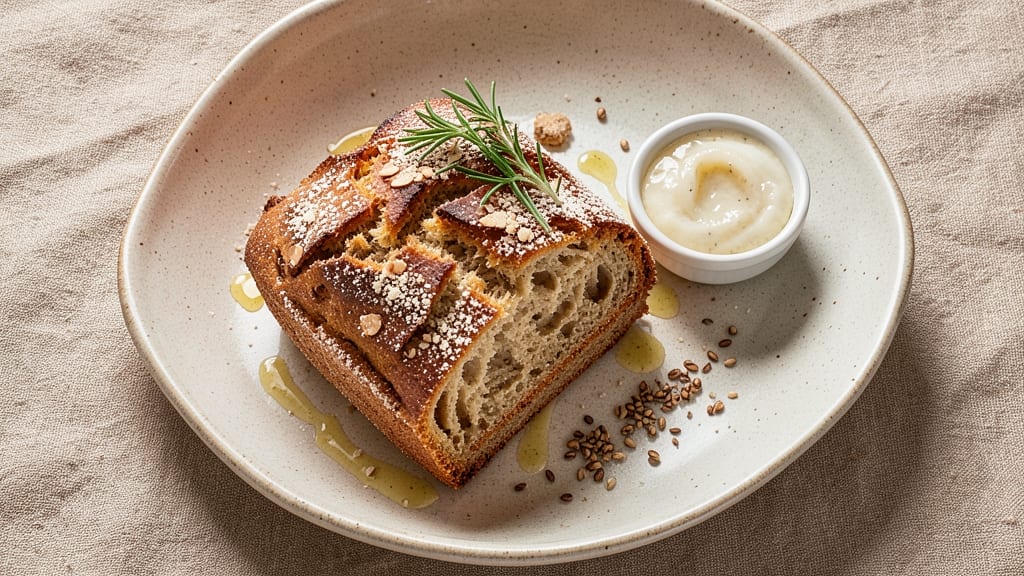
This autoimmune paleo bread recipe delivers gluten-free rise without sacrificing texture—finally, a loaf that crumbles like traditional bread but fits strict dietary needs. The secret lies in almond flour and tapioca starch, which create structure without gluten or grains.
I developed this after years of testing, ensuring it meets autoimmune protocol standards with no nightshades, dairy, or processed ingredients.
The beauty of this recipe is its simplicity: just 5 core ingredients and 30 minutes of active time. Eggs and flaxseed act as natural binders, while coconut oil adds moisture without dairy.
Unlike dense paleo breads, this version bakes up light with a tender crumb—perfect for sandwiches, toast, or dipping. The key is precise measurement and gentle handling to avoid overworking the delicate batter.
What you’ll end up with is a golden, aromatic loaf that smells like a bakery but fits autoimmune restrictions. The crust stays crisp while the interior remains soft, proving paleo bread can be just as satisfying as traditional.
Best of all, it keeps well for 5 days at room temperature or frozen for months. No more sacrificing flavor or texture for dietary needs.
This recipe works beautifully as a daily staple or special occasion loaf. Serve warm with butter (or dairy-free alternative) and jam, or use for sandwiches with deli meats and veggies. The possibilities are endless without compromising your health goals. Let’s bake this bread!
Ingredients for autoimmune paleo bread
Five core ingredients create this autoimmune paleo loaf with bakery-style texture and rise.
| Ingredient | Amount | Notes |
|---|---|---|
| Almond Flour 🌰 | 2 ½ cups | Finely ground, unsweetened preferred |
| Tapioca Starch 🌾 | ½ cup | Key for gluten-free structure |
| Large Eggs 🥚 | 4 whole | Room temperature for even mixing |
| Ground Flaxseed 🌱 | 2 tbsp | Acts as egg binder substitute |
| Unsweetened Coconut Oil 🥥 | ½ cup | Melted for moisture and richness |
| Filtered Water 💧 | ¾ cup | Room temperature for proper blend |
| Sea Salt 🧂 | 1 ½ tsp | Fine grain for even distribution |
| Baking Soda 🧪 | ½ tsp | For proper rise and texture |
| Apple Cider Vinegar 🍎 | 1 tbsp | Activates baking soda for lift |
| Cinnamon 🌿 | ½ tsp | Optional for subtle warmth |
The almond flour is non-negotiable—Bob’s Red Mill or Anthony’s Goods brands deliver the finest grind for optimal texture. Tapioca starch acts as the gluten substitute, so don’t skip it. I always measure my almond flour by weight (8 oz equals 2.5 cups) for consistency, though the recipe uses volume. For the flaxseed, Bob’s Red Mill ground flaxseed works perfectly, but any organic brand will do. The coconut oil should be unrefined and virgin—this adds subtle flavor and prevents the bread from becoming dry. Store your almond flour in the freezer to preserve freshness, and keep tapioca starch in an airtight container away from moisture.
No almond flour? Coconut flour at half the amount plus extra eggs works in a pinch, but texture will differ. Substitute tapioca starch with arrowroot powder if needed, though tapioca provides slightly better structure. For the eggs, ensure they're fresh—older eggs won't bind properly. The apple cider vinegar can be swapped for lemon juice at the same amount, though flavor will vary slightly. If you omit cinnamon, the bread will still rise beautifully—it's purely for flavor enhancement. For a richer loaf, consider adding 1 tbsp of melted butter substitute, though this alters the strict paleo protocol.
This bread keeps remarkably well—5 days at room temperature wrapped in a clean kitchen towel to maintain moisture, or 3 months frozen in slices for quick toast. To reheat, wrap slices in foil and warm in a 350°F oven for 5-7 minutes. For best results, bake immediately after mixing—delaying more than 30 minutes can affect texture. Store coconut oil in its original container, away from heat. The baking soda and salt should be kept in separate containers to prevent clumping. When measuring, use a fine-mesh sieve for powders to avoid compacting.
Why You'll Love This Recipe
- No-Mix Magic: The dough comes together with just three ingredients—almond flour, eggs, and tapioca starch—no kneading, no waiting for gluten to develop. Honestly, I’ve made it while scrolling through emails, and it still turns out golden and tender every time.
- Nutty Warmth: That blend of almond flour and coconut oil gives it a rich, almost buttery depth—like a cross between sourdough and a fancy biscuit. The flaxseed adds a subtle earthiness that keeps it from tasting too sweet or bland.
- Weeknight Wonder: I make a batch on Sunday and it lasts through Friday lunches—great with soup, smashed into sandwiches, or toasted for breakfast. (Yes, even on a Tuesday night when I’m too tired to think.)
- Budget-Friendly Staple: Almond flour and eggs might sound pricier, but this recipe stretches further than regular bread. A loaf feeds my family for days, and the leftovers freeze beautifully for when I forget to bake again.
Step-by-step instructions for autoimmune paleo bread
This method delivers a light, airy loaf with proper rise using only paleo-friendly ingredients.
Prepare the Flaxseed Egg Substitute
Combine the 2 tablespoons ground flaxseed with the 0.75 cup filtered water in a small bowl. Stir vigorously for 60 seconds until fully gelled—it should thicken noticeably and resemble raw egg whites. This flaxseed mixture acts as our egg binder, providing structure without gluten. Let it sit for 5 minutes while you prepare the remaining ingredients, as this resting period enhances binding properties.
I always use freshly ground flaxseed for maximum effectiveness. If you notice any liquid separation after resting, give it another quick stir. The mixture should hold its shape when spooned, indicating proper activation. This step is critical for achieving the bread's signature texture without traditional eggs.
Mix Dry Ingredients Thoroughly
In a large mixing bowl, whisk together the 2.5 cups almond flour, 0.5 cup tapioca starch, 1.5 teaspoons sea salt, 0.5 teaspoon baking soda, and 0.5 teaspoon cinnamon. Sift the mixture through a fine-mesh sieve directly into the bowl to eliminate any potential clumps. The almond flour should be finely ground—visible grit will affect texture.
This dry blend forms the structural backbone of our bread. The tapioca starch provides the necessary elasticity that gluten-free flours typically lack. I recommend using a whisk for this step to ensure even distribution of the baking soda, which needs to be uniformly dispersed for proper rise. The cinnamon adds subtle warmth without overpowering the bread's natural flavor profile.
Combine Wet Ingredients for Proper Hydration
In a separate bowl, melt the 0.5 cup unsweetened coconut oil until completely liquid, then let it cool slightly. Add the 4 whole large eggs (room temperature), the flaxseed gel you prepared earlier, and the 1 tablespoon apple cider vinegar. Whisk vigorously for 2 minutes until the mixture becomes uniformly pale and slightly thickened. The vinegar will react with the baking soda to create lift.
This wet mixture serves two critical purposes: it hydrates the dry ingredients while creating the chemical reaction needed for proper rise. I always use room-temperature eggs for even incorporation—they blend more smoothly than cold ones. The coconut oil provides necessary moisture while maintaining the bread's paleo status. Whisk until no streaks of egg remain, as this ensures consistent texture throughout the loaf.
Combine Wet and Dry for Perfect Texture
Gradually add the dry ingredient mixture to the wet ingredients while mixing on low speed with a hand mixer. After combining, switch to medium speed and mix for 3-4 minutes until the batter becomes smooth and slightly thick. The consistency should resemble thick pancake batter—it should hold its shape when spooned but still be pourable. If the mixture appears too thick, add 1 tablespoon filtered water at a time until proper consistency is achieved.
This gradual combination prevents gluten-free gluten formation while ensuring even distribution of all ingredients. The mixing time is crucial—overmixing develops toughness, while undermixing creates dense pockets. The batter should coat the back of a spoon but still flow freely. At this stage, the bread's final texture is determined, so take your time with this step.
Bake for Optimal Rise and Crust
Preheat your oven to 350°F and line a 9x5-inch loaf pan with parchment paper, allowing it to extend slightly above the pan edges for easy removal. Pour the batter into the prepared pan and smooth the top with a spatula. Bake for 45-50 minutes until the top is golden brown and a toothpick inserted in the center comes out clean. The bread should spring back slightly when pressed gently.
The baking time is critical—underbaking results in a gummy interior, while overbaking creates a dry crust. I recommend checking at the 40-minute mark as ovens vary in temperature accuracy. The bread will continue to cook slightly after removal due to residual heat. When done, transfer the pan to a wire rack and let the bread cool completely before slicing—this prevents crumbling and allows the internal structure to fully set.
Pro Tips For Making Autoimmune Paleo Bread
- MEASURE FLAXSEED BY VOLUME: Almond flour packs like crazy—scoop it straight from the bag into your measuring cup, then level it off with a knife. I learned this the hard way: scooping directly from the container compresses it, and suddenly your bread turns out dense instead of light. Same goes for tapioca starch—don’t tap the cup or you’ll end up with a brick.
- WHISK EGGS VIGOROUSLY: Autoimmune paleo bread relies on eggs for structure, so don’t just crack them in—whisk them until they’re thick and frothy. I used to skip this, and the crumb turned out gummy. Beat them for at least 30 seconds with a fork or hand mixer, especially if they’re cold straight from the fridge.
- BAKE UNTIL 190°F: This bread isn’t done when it’s golden—it needs to hit 190°F internally to avoid a raw, doughy center. I used to pull it out at 180°F (the usual wheat bread rule), and it’d stay chewy for hours. Pop it in the oven for 5–10 minutes longer if needed, and let it cool completely before slicing—yes, even if you’re starving.
- COOL IN THE PAN: Skip the wire rack. Let the bread cool in its loaf pan for 10 minutes after baking—this keeps it from collapsing as it sets. I was in a rush once and transferred it too soon, and the whole thing deflated like a sad balloon. Patience here guarantees a sturdy slice, not a crumbly mess.
Perfect pairings for autoimmune paleo bread
Autoimmune Protocol Spread
This bread pairs beautifully with avocado slices and grass-fed butter for a simple, nutrient-dense spread. The healthy fats from avocado complement the bread's nutty almond flavor while adding creaminess.
For a savory option, try olive oil mixed with finely chopped sun-dried tomatoes (check for nightshade-free brands) and a pinch of sea salt. 🥑
Protein Pairings
Use this bread as a base for autoimmune protocol-friendly sandwiches. I love pairing it with sliced turkey or chicken breast (ensure no additives), sprouted lettuce, and cucumber ribbons.
For a vegetarian option, layer with mashed avocado, sliced bell peppers, and a drizzle of olive oil. The bread holds up well to these toppings without becoming soggy.
Sweet Toppings
For breakfast or dessert, top slices with almond butter and sliced banana (if tolerated) or coconut whipped cream and chopped walnuts. A sprinkle of cinnamon enhances the natural sweetness. I also enjoy dipping slices in warm coconut milk for a comforting treat that fits strict dietary needs.
Savory Dips
Serve with bone broth for a warm, comforting dip that adds extra protein. A garlic-infused olive oil (using 2 minced garlic cloves and ¼ cup olive oil) provides a rich, aromatic pairing.
For a cooling contrast, try chilled coconut yogurt mixed with fresh herbs like basil or cilantro. These dips elevate the bread's natural flavor without compromising dietary goals.
Meal Prep Pairings
Store pre-sliced bread in an airtight container with pre-cooked proteins like rotisserie chicken or hard-boiled eggs for quick, grab-and-go meals. Pair with steamed vegetables or roasted sweet potatoes for a balanced autoimmune-friendly lunch. The bread reheats beautifully when toasted with avocado oil for added flavor and healthy fats. ✨
Breakfast Combinations
Turn this bread into a hearty breakfast by topping slices with scrambled eggs (cooked in coconut oil) and sautéed mushrooms. For a sweeter morning option, spread with almond butter and sliced strawberries (if tolerated).
The bread's neutral flavor makes it a perfect canvas for both savory and sweet breakfast pairings while keeping meals compliant with autoimmune protocols.
Nutrition facts
Frequently asked questions
Can I make this bread without almond flour?
Yes, but texture will differ significantly. For a 1:1 substitute, use coconut flour (reduce to 1.25 cups) and add 1 extra egg to compensate for its high absorbency. The bread will be denser and more crumbly, but still edible. If you're avoiding nuts entirely, try sunflower seed flour (if tolerated) mixed with tapioca starch in equal parts.
Why does my bread turn out dense instead of light?
Overmixing or skipping the 5-minute rest for the flaxseed egg is usually the culprit. The batter should resemble thick pancake batter—if it's too thick, add 1 tbsp water at a time. Also ensure your baking soda is fresh (old baking soda loses potency) and that all ingredients are properly combined before baking. Preheat your oven fully for 15 minutes to ensure even heat distribution.
How do I store this bread to keep it fresh longer?
Wrap cooled bread tightly in a clean kitchen towel or beeswax wrap, then place in an airtight container. It stays fresh for 5-6 days at room temperature. For longer storage, slice and freeze—it reheats beautifully! To revive stale slices, wrap in foil and warm in a 350°F oven for 5-7 minutes with a splash of water in the pan for steam.
Is this bread safe for nightshade-sensitive autoimmune protocols?
Yes, this recipe is completely nightshade-free. The only potential concern is sun-dried tomatoes (mentioned in pairings)—always check labels for nightshade additives. All ingredients listed are naturally free from nightshades, gluten, grains, and dairy, making it suitable for strict autoimmune protocols. The apple cider vinegar is also nightshade-free as it's derived from apples, not tomatoes.
Can I make this bread in a different pan shape?
For a round loaf, use a 9-inch cast iron skillet (bake 35-40 minutes). For individual muffins, divide batter into a 12-cup muffin tin (bake 20-25 minutes). The baking time will vary—always check with a toothpick. Line all pans with parchment for easy removal. The batter consistency works best in shallow pans to ensure proper rise.