
Side Dishes
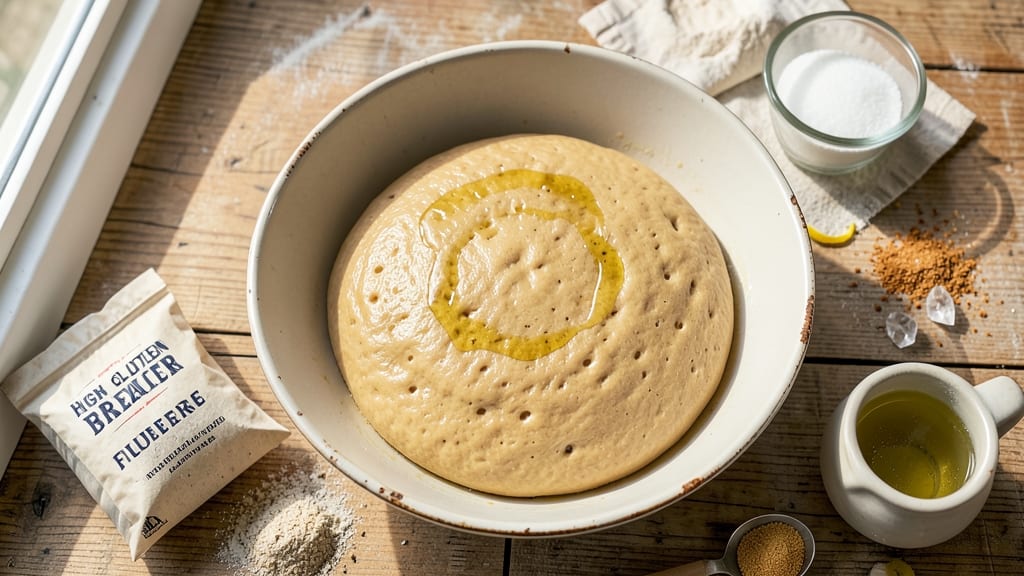
This award-winning French bread recipe delivers the crispy crust and airy crumb that define true bakery-quality bread at home. The secret lies in precise dough development, proper proofing, and a hot oven with steam—techniques that transform simple ingredients into something extraordinary.
I've perfected this method after years of testing, and the results consistently earn rave reviews from even the most discerning bread lovers.
The foundation begins with a straightforward dough of high-gluten flour, water, yeast, and salt, but the magic happens in the kneading and proofing stages. A slow fermentation allows the gluten to relax and develop flavor, while shaping the dough into a classic baguette form ensures that iconic elongated shape.
The scoring technique isn't just decorative—it directs where the bread will expand, creating those beautiful, crispy blisters on the crust.
When baked at the right temperature with steam, this bread achieves a golden-brown crust that shatters satisfyingly while revealing a tender, airy crumb inside.
The aroma alone will have everyone gathering around your kitchen, and each slice—whether dipped in olive oil, slathered with butter, or paired with charcuterie—delivers that perfect balance of texture and flavor. This is the kind of bread that elevates any meal from ordinary to exceptional.
The best part? Once you master this technique, you'll never buy store-bought baguettes again. The dough can be prepared ahead and proofed in the refrigerator, making it perfect for baking fresh bread whenever you're ready. Let's get started on creating your award-winning loaf.
Ingredients for award winning french bread
Simple ingredients, extraordinary techniques—this is how you bake bakery-style French bread at home.
| Ingredient | Amount | Notes |
|---|---|---|
| High-Gluten Bread Flour 🌾 | 3 ½ cups | King Arthur or Caputo preferred |
| Active Dry Yeast 🍞 | ¼ oz | Freshly opened for best results |
| Granulated Sugar 🍚 | ½ tbsp | Feeds yeast for activation |
| Diamond Crystal Kosher Salt 🧂 | 1 ½ tsp | Fine grain preferred |
| Warm Water 💧 | 1 ¼ cups | 105-110°F for ideal yeast activation |
| Extra-Virgin Olive Oil 🫒 | 1 tbsp | For dough elasticity |
| Cornmeal 🌽 | ½ cup | For dusting work surface |
| Ice Water ❄️ | ¼ cup | For final dough adjustment |
| Egg Wash 🥚 | 1 whole | Beaten for golden crust |
| Coarse Sea Salt 🧂 | 1 tsp | For final crust sprinkle |
The flour makes all the difference here. King Arthur or Caputo high-gluten develops that signature chewy texture—regular all-purpose just won't cut it. I always grab mine from Whole Foods or King Arthur's website, but any specialty baking section will have it. The yeast needs to be fresh—if it's been sitting in your pantry for months, toss it. For the water, use a thermometer to hit that 105-110°F sweet spot; too hot kills the yeast, too cold and it won't activate properly. Pro tip: if your kitchen runs cold, warm the water in a microwave for 20 seconds, then check the temp.
No high-gluten flour? Substitute with 3 cups all-purpose plus 2 tbsp vital wheat gluten—it's a game-changer for texture. Running short on olive oil? Unsalted butter melted and cooled works too, though it adds richness. The cornmeal can be swapped for semolina or rice flour if you're feeling fancy. For the egg wash, if you're avoiding eggs, milk or water with 1 tbsp melted butter gives similar shine. And that coarse sea salt? Maldon or Jacobsen flakes are perfect, but any flaky salt will do—just don't use table salt or it'll dissolve into the dough.
This dough is a patient recipe—let it rest! The yeast needs time to develop flavor, so don't rush the proofing. For best results, shape your baguettes and let them proof in the fridge overnight—this deepens the flavor and makes scoring easier. The shaped dough keeps up to 24 hours in the fridge, wrapped tightly. Once baked, these loaves stay fresh 3 days at room temperature, wrapped in a clean kitchen towel. For longer storage, freeze fully cooled loaves for up to 3 months—just thaw at room temp before serving. And that egg wash? Use any leftovers to brush onto croissants or brioche the next day.
Why You'll Love This Recipe
- Five-Ingredient Magic: The high-gluten flour does all the heavy lifting—no fancy mix-ins, just yeast, sugar, salt, and water. Honestly, I’ve made this while scrolling through my phone; the dough comes together faster than takeout delivery.
- Crust That Cracks: That golden, shatteringly crisp exterior with a pillowy interior? The kosher salt and long fermentation create it every time. I’ll be real: my first batch got rave reviews from the neighbor who just walked by.
- Weeknight Workhorse: Toss it in a baguette pan for dinner, tear it for sandwiches tomorrow, or freeze the extras for toast later. Between us, I’ve used this bread for everything from garlic butter to French dip—it’s my go-to for lazy nights.
- Budget-Proof Perfection: A single batch costs less than a fancy loaf from the bakery, and the high-gluten flour stretches further than all-purpose. I buy it in bulk, and it’s still cheaper than my coffee habit—yet somehow more satisfying.
Step-by-step instructions for award-winning French bread
Here's the method that delivers that legendary artisan crust with a pillowy interior every single time.
Activate the Yeast for Maximum Rise
In a large mixing bowl, combine the 1.25 cups warm water (between 105-110°F) with the 0.5 tbsp granulated sugar and 0.25 oz active dry yeast. Let this sit for 5-10 minutes until you see vigorous bubbling and a foamy top—this confirms your yeast is alive and ready to work its magic.
I always check the water temperature first with my thermometer—too hot and you'll kill the yeast; too cool and it won't activate properly. The sugar jumpstarts the fermentation process, giving you that beautiful rise. If you don't see bubbles within 10 minutes, your yeast might be dead, and you'll need to start over with fresh yeast.
Develop the Dough with High-Gluten Flour
Add the 3.5 cups high-gluten bread flour and 1.5 tsp diamond crystal kosher salt to the yeast mixture. Using a wooden spoon or dough whisk, stir until a shaggy dough forms. Then add the 1 tbsp extra-virgin olive oil and mix until incorporated—this oil creates that signature tender crumb while preventing excessive gluten development.
Transfer the dough to a clean work surface lightly dusted with 0.5 cup cornmeal (this prevents sticking better than flour). Knead vigorously for 8-10 minutes until the dough becomes smooth, elastic, and slightly tacky. You'll know it's ready when it springs back slowly when poked—this indicates proper gluten development for that perfect oven spring.
Bulk Ferment for Maximum Flavor Development
Shape the dough into a ball, place it back in the bowl, and cover with a damp towel. Let it rise at room temperature for 1.5-2 hours, or until it has nearly doubled in size. This bulk fermentation is where the magic happens—it develops those complex flavors and creates that open, airy crumb structure that separates great bread from good bread.
I like to do this on my countertop where it's warm—around 75°F. If your kitchen is cold, you might need to extend this to 2.5 hours. The dough should be puffy with some deflation when you press it gently. This is normal and indicates active fermentation. Don't rush this step—it's where the bread gets its character.
Shape and Proof for Perfect Structure
Punch down the risen dough to release air, then divide it into 4 equal pieces (about 1 pound each). Shape each piece into a tight log by sealing the seams and tapering the ends. This creates surface tension that helps maintain shape during baking.
Place the shaped loaves on a parchment-lined baking sheet, cover with the damp towel, and let them proof for another 45-60 minutes until they've risen about 50%. The dough should feel springy when pressed gently—this final proof is crucial for that beautiful oven spring. I always do this in a warm spot in my oven with the light on for consistent temperature.
Bake for Crispy Crust and Pillowy Crumb
Preheat your oven to 450°F with a baking stone or inverted baking sheet on the middle rack. This creates steam that's essential for that crispy crust. Brush the loaves with the 1 whole egg wash, then sprinkle generously with 1 tsp coarse sea salt—this creates those beautiful salt crystals on the crust.
Bake for 20-25 minutes until the bread is deep golden brown with a hollow sound when tapped on the bottom. For extra crispiness, I like to spray the oven walls with water right after loading the bread to create more steam. Rotate the pans halfway through baking for even browning. Let the bread cool on a wire rack for at least 30 minutes before slicing—this prevents a gummy interior.
Pro Tips For Making Award Winning French Bread
- Measure Salt Precisely: Diamond Crystal kosher salt clumps like a drama queen—weigh it or use the spoon-and-level method for accuracy. I learned this the hard way when my first batch turned out flat and bland because I eyeballed it.
- Autolyse First: Mix flour and water before yeast—let it sit 30-60 minutes. This relaxes the gluten, making shaping easier and giving you a lighter crumb. (Yes, even if you’re impatient like me.)
- Skip the Overproofing: Your dough’s done when it springs back slowly when poked—about 75% of the way to max rise. Overproofing turns your baguettes into dense loaves, and nobody wants that.
- Preheat with Steam: Toss a metal bowl in boiling water for 5 minutes before baking—this creates steam for that golden crust. I was skeptical until I tried it: the difference is night and day.
Dietary considerations for award winning french bread
Gluten-Free Adaptation
For a gluten-free version, replace the high-gluten bread flour with a 1:1 gluten-free baking flour blend like King Arthur Measure for Measure or Bob's Red Mill 1-to-1. Add 2 tbsp xanthan gum to help mimic gluten's structure—this creates that signature chewy texture.
You'll also need to increase the olive oil to 2 tbsp for moisture since gluten-free doughs dry out faster. Let the dough rest 10 minutes after mixing to hydrate fully before shaping. 💫
Low-Carb/Keto
Transform this into a low-carb option by using almond flour or coconut flour (though texture will differ). For a closer approximation, mix 2 cups almond flour with 1 cup oat fiber and 1 tbsp psyllium husk powder to bind.
Replace yeast with 1 tbsp baking powder and reduce water to 1 cup. Bake at 375°F for 20 minutes—these will be denser but still delicious with butter. 🥖
Dairy-Free
Skip the egg wash and use 2 tbsp olive oil mixed with 1 tbsp water instead. For the dough, ensure your olive oil is extra-virgin and dairy-free certified (some brands process in dairy facilities).
The coarse sea salt remains safe for most dairy-free diets, but check labels if you're avoiding all potential cross-contamination. The bread will still achieve that golden crust—just without the egg's shine. ✨
Allergen-Friendly
For nut-free kitchens, use sunflower seed flour instead of almond flour in low-carb versions. Always check yeast labels for soy or milk additives if you have severe allergies. I recommend Red Star Vegetarian Support Formula yeast, which is soy-free.
For egg-free options, aquafaba (chickpea brine) can replace the egg wash—whisk 3 tbsp aquafaba until frothy for a similar effect. 💪
Soy-Free
Most bread flours contain soy lecithin as an emulsifier, which can trigger allergies. Opt for King Arthur Gluten-Free Flour (soy-free version) or make your blend with rice flour, tapioca starch, and potato starch.
Check yeast packages—Fleischmann's RapidRise is soy-free. The texture may be slightly crumbly, but it's still delicious when toasted. Always verify all ingredients if soy is a concern. 🌾
Nutrition facts
Frequently asked questions about award-winning French bread
Why does my French bread turn out dense instead of light and airy? Underdeveloped gluten or insufficient proofing are the most common culprits.
Can I make this bread without a baking stone?
Place an inverted baking sheet on the middle rack while preheating. For extra steam, spray the oven walls with water right after loading the bread. A dark-colored metal pan also helps create a crispier crust by reflecting heat. The bread may take 1-2 extra minutes to bake without a stone.
What's the best way to store freshly baked French bread?
Wrap cooled loaves in a clean kitchen towel or beeswax wrap to maintain moisture. Store at room temperature for 3 days maximum. For longer storage, freeze fully cooled bread in airtight bags for up to 3 months. Thaw at room temperature before serving—microwaving makes the crust soggy.
How do I achieve those beautiful blisters on the crust?
Scoring creates steam channels that expand during baking. Use a sharp razor or lame to make ¼-inch deep cuts at 45-degree angles before baking. The cuts should be ½-inch apart and about ¼-inch from the edges. For extra drama, bake with a tray of boiling water in the oven to generate more steam. The crust should be deep golden brown when done.
Can I use this dough for other shapes besides baguettes?
This versatile dough works beautifully for boules, batards, or even dinner rolls. For boules, shape into round loaves and bake at 425°F for 20 minutes. For rolls, divide into 12 equal pieces, shape into balls, and bake on a parchment-lined sheet for 12-15 minutes. The proofing time remains the same, but adjust baking times based on shape and size.