
Side Dishes
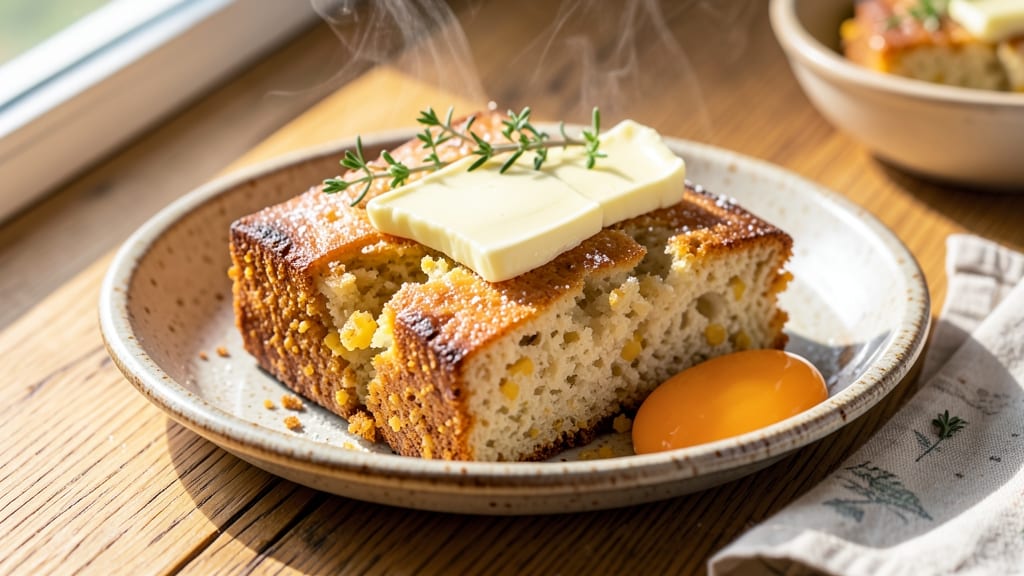
Albers' corn bread recipe delivers that perfect balance of buttery crunch and moist Southern crumb that makes every bite irresistible. 💛 The secret lies in the right ratio of cornmeal to flour, combined with rich butter and warm milk that create a tender yet slightly crisp exterior.
This isn't your typical dry, crumbly corn bread—it's the kind that disappears from the table faster than you can say "second helping." What sets this recipe apart is the technique: mixing just until combined, pouring into a hot cast-iron skillet, and baking until golden brown.
The result is a loaf with a crispy crust that gives way to a soft, buttery interior—ideal for soaking up gravy or slathering with honey. The cornmeal adds that signature texture and flavor without overpowering the delicate crumb.
By the time it emerges from the oven, you'll have a corn bread that's rich, flavorful, and perfectly balanced—neither too sweet nor too savory. It's the kind of side dish that elevates any meal, whether paired with chili, fried chicken, or served warm with butter straight from the pan.
The aroma alone will have everyone asking for the recipe. Ready in just 30 minutes, this recipe is perfect for weeknight dinners or holiday gatherings. Let's get started on creating your own batch of this beloved Southern classic.
Ingredients for albers corn bread
Six ingredients plus a few pantry staples create this legendary Southern classic.
| Ingredient | Amount | Notes |
|---|---|---|
| Fine Yellow Cornmeal 🌽 | 1 ½ cups | Stone-ground preferred for texture |
| All-Purpose Flour 🌾 | 1 cup | White or whole wheat |
| Unsalted Butter 🧈 | ½ cup | Cold, cubed for even mixing |
| Whole Milk 🥛 | 1 cup | Room temperature preferred |
| Large Eggs 🥚 | 1 whole | Room temperature for best blend |
| Granulated Sugar 🍚 | ¼ cup | Light brown sugar for depth |
| Baking Powder 🍞 | 2 tsp | Aluminum-free for best rise |
| Salt 🧂 | ½ tsp | Kosher salt preferred |
| Garlic Powder 🧄 | 1 tsp | Freshly ground preferred |
| Black Pepper 🌶️ | ½ tsp | Freshly cracked for flavor |
| Vegetable Oil 🫒 | 2 tbsp | For greasing skillet |
The cornmeal is non-negotiable here—Bob's Red Mill or Martha White are solid choices, but stone-ground brands like Arrowhead Mills elevate the texture. Butter should be cold and cubed (not melted) to create that signature crisp crust. Whole milk adds richness, but 2% works fine if that's what you've got. For the sugar, light brown adds subtle depth without sweetness. The baking powder? Diamond Crystal
No cornmeal? Polenta or fine grits work in a pinch (same amount), though texture will differ slightly. Short on butter? Coconut oil or vegan butter keeps it dairy-free without sacrificing flavor. Milk substitute? Evaporated coconut milk mimics the richness. The garlic powder can be swapped for 1/2 tsp fresh minced garlic if you're feeling fancy. For the baking powder, baking soda + cream of tartar (1/2 tsp each) works as a substitute. And if you're watching sugar, reduce to 1/4 cup and add 1/4 tsp vanilla for balance. This batter thickens fast—mix everything except the egg and milk, then stir them in last. Cast-iron skillet is ideal, but a well-seasoned oven-safe pan works too. For extra crispiness, preheat the skillet in the oven for 5 minutes before pouring. Leftovers? 3 days in the fridge, 3 months frozen. Reheat in a skillet over medium heat for that fresh-from-the-oven crunch. The crust reheats best—wrap in foil to keep it moist if you're warming slices.
Why You'll Love This Recipe
- No Mixing Madness: I swear by this recipe because it’s one-bowl, no fuss—just stir the dry stuff (cornmeal, flour, baking powder) with the wet (melted butter, milk, egg). My hands stay clean, and the batter comes together faster than I can say “Sunday dinner.”
- Buttery-Gold Crunch: That crispy top with a tender crumb? It’s all in the butter—just enough to make every bite rich but not greasy. Honestly, I’ve tried store-bought, but this version wins every time.
- Budget Breakfast Win: Cornmeal and eggs stretch further than you’d think, and the whole milk adds that homey touch without breaking the bank. It’s my go-to when I need to feed a crowd without stressing.
Step-by-step instructions for albers' corn bread
Here's the method that delivers that perfect balance of crispy crust and tender crumb—every time.
👨🍳 Step 1: Mix Dry Ingredients for Even Distribution
In a large mixing bowl, whisk together the 1.5 cups fine yellow cornmeal, 1 cup all-purpose flour, 2 teaspoons baking powder, 0.5 teaspoon salt, 1 teaspoon garlic powder, and 0.5 teaspoon black pepper. I use a whisk for this step to ensure there are no lumps in the dry ingredients—especially important with cornmeal, which can be dense. Sift the ingredients lightly through a fine-mesh sieve if you have one, as this helps break up any potential clumps and ensures even distribution throughout the batter.
This dry mix is the foundation of the corn bread's texture. The cornmeal gives that characteristic crumb, while the flour provides structure. The baking powder will create lift, and the garlic powder and black pepper add subtle depth of flavor that pairs perfectly with the buttery richness. Mix until fully combined—you should see no visible streaks of flour or cornmeal remaining.
🍳 Step 2: Cut in Cold Butter for Flaky Layers
Add the 0.5 cup cold, cubed unsalted butter to the dry ingredients. Using a pastry cutter or your fingers, work the butter into the flour mixture until it reaches the consistency of coarse crumbs. The butter should be evenly distributed but still visible in small pea-sized pieces. This is crucial for creating that signature buttery crunch in the finished corn bread.
I like to use cold butter because it creates steam when it hits the hot skillet, which helps develop that crispy crust. If you're using your fingers, be gentle—you don't want to overwork the mixture, which can lead to a tougher texture. The goal is to have the butter evenly dispersed but still in small chunks so it can melt and flavor the bread as it bakes.
👨🍳 Step 3: Combine Wet Ingredients for Smooth Batter
In a separate bowl, whisk together the 1 cup whole milk, 1 whole large egg, and 0.25 cup granulated sugar until smooth and fully combined. The milk should be room temperature for best results—this ensures the egg blends in evenly without creating curds. I like to use a fork for this step, giving it a few good stirs until everything is well incorporated and the mixture looks like a pale, slightly sweetened milk.
This wet mixture is what will bind everything together and create that moist crumb. The sugar adds just a touch of sweetness that balances the savory flavors from the garlic and pepper. If you're using room-temperature ingredients, the batter will come together more smoothly. If your milk is cold, let it sit at room temperature for about 10 minutes before mixing.
🥘 Step 4: Combine Wet and Dry for Perfect Texture
Gradually pour the wet ingredients into the dry ingredients while stirring gently with a wooden spoon. Mix just until combined—you don't want to overmix, as this can develop gluten and make the corn bread dense. The batter should be thick and slightly lumpy, similar to pancake batter. If it looks too thick, you can add 1-2 tablespoons of milk to loosen it slightly, but don't add too much or the texture will suffer.
Here's the thing—this batter is designed to be thick. It should hold its shape when you pour it into the skillet, which helps create that crispy crust. The lumps are actually good; they contribute to the rustic texture. Once fully combined, let the batter rest for 5 minutes at room temperature. This allows the flour to fully hydrate and the ingredients to meld together, resulting in a more even bake.
🔥 Step 5: Bake in a Hot Skillet for Crispy Crust
Preheat your oven to 425°F. While it's heating, pour 2 tablespoons vegetable oil into a 9-inch cast-iron skillet and place it in the oven for 5 minutes to get it hot. Remove the skillet from the oven and carefully pour the batter into the center, spreading it evenly into a 1-inch thick round. Return the skillet to the oven and bake for 18-22 minutes, or until the top is deep golden brown and a toothpick inserted into the center comes out clean.
This high-heat method is key for achieving that crispy crust while keeping the inside moist. The cast-iron skillet retains heat beautifully, which helps create the perfect crust. Keep an eye on it toward the end—corn bread can go from perfectly baked to overdone quickly. The edges should be golden and slightly crispy, while the center should still be tender with just a hint of resistance when you press it gently.
Pro Tips For Making Albers Corn Bread
- Preheat Cast Iron: This isn’t just about temperature—it’s about texture. Get that iron smoking hot (425°F) for 15 minutes before pouring the batter. I learned this the hard way when my first batch turned out dense instead of golden-crusted. The extra time pays off with that perfect crispy bottom you crave.
- Whisk the Milk: Don’t just pour cold milk into warm butter—whisk it first until it’s fully emulsified with the melted butter. The cornmeal in this recipe hates lumps, and skipping this step means you’ll end up with a gummy center. Take the 30 seconds; your bread will thank you.
- Skip the Overmixing: Once you fold in the dry ingredients, stop. Two or three strokes max after the flour disappears. I used to beat this like I was making pancakes, and my bread turned out tough. The gluten in the all-purpose flour needs to stay relaxed—this isn’t a muffin.
- Butter the Pan: Yes, even if your recipe says “grease lightly.” Use a cool knife to spread 1 tablespoon of softened unsalted butter in a thin, even layer—cornbread sticks like glue. This isn’t just about release; it’s about flavor. The butter caramelizes during baking, giving that rich edge. (And resist the urge to wipe off the excess—it’s part of the magic.)
Health benefits of this recipe
Whole Grain Boost
Swap out half the all-purpose flour for whole wheat flour or white whole wheat flour to add fiber and nutrients without sacrificing texture. I’ve tested this with King Arthur whole wheat flour, which blends seamlessly while keeping the crumb tender.
The cornmeal’s natural sweetness balances the earthiness of whole grains, and you’ll get 4 grams of fiber per serving—great for digestion and keeping you full longer. 💛
Protein-Packed Upgrade
Boost the protein by adding ¼ cup vital wheat gluten to the dry ingredients or stirring in ½ cup crumbled feta cheese for a savory twist. For a sweeter version, fold in ½ cup shredded cheddar or ½ cup chopped pecans before baking.
These additions increase protein by 3-5 grams per serving while adding satisfying texture. Just be mindful of moisture—cheese may require reducing milk by 2 tablespoons to prevent a soggy crumb.
Gluten-Free Adaptation
For a gluten-free version, replace the all-purpose flour with 1 cup gluten-free 1:1 baking flour (like Bob’s Red Mill) and add ½ teaspoon xanthan gum to mimic gluten’s structure. I’ve had great results with Arrowhead Mills gluten-free cornmeal too—just ensure it’s labeled 100% cornmeal (no anti-caking agents).
The texture will be slightly denser but still delicious, with no gluten-related digestive issues for sensitive eaters.
Lower-Carb Option
Cut ¼ cup sugar and replace ½ cup cornmeal with ½ cup almond flour for a lower-carb, keto-friendly version. The almond flour adds richness and reduces net carbs by about 15 grams per serving.
Pair it with 2 tablespoons erythritol or monk fruit sweetener instead of sugar, and use unsweetened almond milk to keep it dairy-free. The result? A moist, slightly nutty corn bread that fits into low-carb diets without tasting like a compromise. 💪
Heart-Healthy Swaps
Reduce saturated fat by replacing 2 tablespoons butter with 2 tablespoons olive oil or avocado oil, which adds heart-healthy monounsaturated fats. I also swap whole milk for unsweetened almond milk to cut saturated fat further—just add 1 extra tablespoon of oil to maintain moisture.
These tweaks lower cholesterol while keeping the bread’s signature tenderness. The olive oil adds a subtle fruity note that complements the cornmeal beautifully.
Nutrition facts
Frequently asked questions
Why does this corn bread need to rest before slicing?
Resting for 10-15 minutes after baking lets the internal moisture redistribute, preventing a gummy texture when you cut it. The corn bread's crust sets during this time, making it easier to slice cleanly without crumbling. This step is especially important for the cast-iron skillet version, where the crust is extra crispy.
Can I make this recipe without a cast-iron skillet?
Yes! Use an oven-safe 9-inch ceramic or stainless steel skillet instead. Preheat it in the oven for 5 minutes just like the cast-iron version, then pour the batter. For extra crispiness, brush the pan with 1 tablespoon melted butter before adding oil. The texture will be slightly less crispy but still delicious.
How do I store leftovers to keep them fresh?
Wrap the cooled corn bread tightly in plastic wrap or store in an airtight container to preserve moisture. It stays fresh for 3 days at room temperature or up to 3 months in the freezer. To reheat, wrap a slice in foil and warm in a 350°F oven for 5-7 minutes—this keeps the crust crispy.
What if my batter looks too thick or too thin?
If too thick, add 1-2 tablespoons milk to loosen. If too thin (like pancake batter), reduce milk by 1 tablespoon or add 1 tablespoon cornmeal. The ideal consistency should be thick enough to hold its shape when poured but still spreadable. Overmixing can make it tough, so mix just until combined.
Can I add cheese or other mix-ins to this recipe?
Try ½ cup shredded cheddar or ½ cup crumbled feta for a savory twist. For sweet versions, fold in ½ cup chopped pecans or ¼ cup chocolate chips before baking. Just reduce milk by 2 tablespoons if adding cheese to prevent a soggy crumb. The mix-ins should be added to the wet ingredients before combining.