
Side Dishes
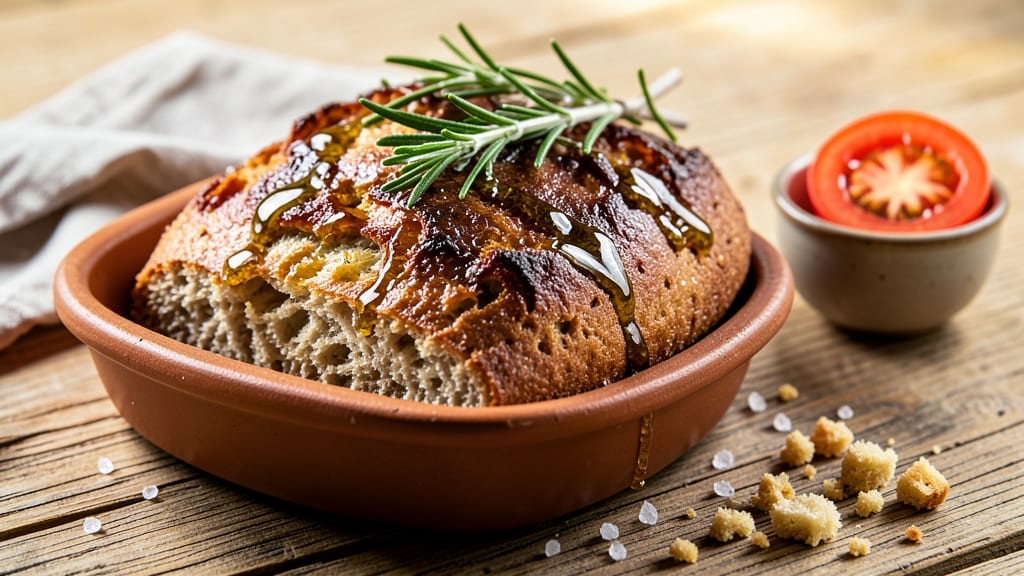
This all antico vinaio bread recipe brings the soul of Tuscany to your kitchen—where golden crust meets fragrant spice swirls in every bite. 🌟 Born from centuries-old Italian tradition, this rustic loaf requires patience and precision, but the reward is a bread with a crispy crown and tender, flavorful crumb that rivals any artisanal bakery.
Perfect for pairing with soups, charcuterie, or simply enjoying with olive oil and salt, this bread is a celebration of simple ingredients transformed through time-honored techniques.
The secret lies in the dough's slow fermentation, which develops deep flavor and an open, airy crumb. You'll work with just flour, water, yeast, and a touch of olive oil—no shortcuts here, but the process is straightforward once you understand the rhythm.
The spice swirls, typically made with anise, fennel, and citrus zest, infuse the bread with aromatic warmth that lingers with every slice.
By the time you pull this loaf from the oven, you'll have a masterpiece with a shatteringly crisp crust and a crumb so tender it nearly melts in your mouth. The spice swirls peek through in tantalizing bursts, offering a symphony of flavors that make every bite unforgettable.
This bread isn't just food—it's a piece of Italian heritage, brought to life in your own kitchen.
Whether you're baking for a family gathering or treating yourself to a homemade loaf, this recipe delivers restaurant-quality results with a rustic touch. The key is attention to detail—from measuring your ingredients precisely to allowing the dough its full fermentation time.
Trust the process, and you'll end up with a loaf that's worth every minute of waiting.
Ingredients for all antico vinaio bread
Just flour, yeast, and a whisper of spice—this Tuscan treasure transforms simple ingredients into golden, aromatic bread.
| Ingredient | Amount | Notes |
|---|---|---|
| All-Purpose Flour 🌾 | 5 cups | High-protein for structure |
| Bread Flour 🌾 | 1 cup | For extra chewiness |
| Instant Yeast 🍞 | ½ tsp | Active dry works too |
| Extra-Virgin Olive Oil 🫒 | ½ cup | High quality, fruity |
| Granulated Sugar 🍚 | 1 tbsp | Feeds yeast fermentation |
| Salt 🧂 | 2 tsp | Diamond Crystal preferred |
| Anise Seeds 🌿 | 1 tbsp | Whole seeds for texture |
| Ground Fennel Seeds 🌿 | 1 tbsp | Freshly ground preferred |
| Lemon Zest 🍋 | 1 tbsp | Freshly grated for brightness |
| Orange Zest 🍊 | 1 tbsp | Freshly grated for depth |
| Water 💧 | 2 ½ cups | Room temperature preferred |
| Cornmeal 🌽 | ¼ cup | For dusting bread pan |
| Coarse Sea Salt 🧂 | 1 tbsp | For final crust sprinkle |
The flour blend is key—King Arthur or Caputo bread flour gives that perfect chew. Bulk bins at Whole Foods often have Caputo, but any high-protein flour works. Anise seeds? Penzeys Spices sells them whole, which is ideal—you can toast them lightly for extra flavor. The citrus zest needs to be fresh (no dried stuff)—Trader Joe's sells pre-grated zest if you're short on time. For the yeast, Saf-Instant is my go-to because it doesn't need proofing, but active dry works if you're patient. Store all dry ingredients in airtight containers away from light—flour especially goes rancid fast if exposed.
No anise seeds? Substitute 1 tsp anise extract—it's potent, so start small. Fennel seeds missing? Fresh fennel bulb works too—just finely chop the fronds. The zest can be swapped for 1 tsp each of lemon and orange extract, but fresh is better. Running low on bread flour? All-purpose plus 1 tbsp vital wheat gluten mimics the protein content. For the olive oil, any extra-virgin will do—just avoid the cheap stuff that smells like soap. The yeast? If it's old, proof it first—drop it in warm water with a pinch of sugar, and if it bubbles in 5 minutes, it's good to go.
This dough needs time—at least 12 hours in the fridge for full flavor development. Wrap it tightly in plastic wrap or a damp towel to prevent drying. The spice swirls can be prepped a day ahead and stored in the fridge. For the final bake, preheat your oven to 450°F with a Dutch oven inside—this creates that iconic steam bath. The bread keeps well for 3 days at room temperature, but it's best enjoyed fresh. To revive stale slices, warm in a 300°F oven for 5-10 minutes—they'll taste like they just came out of the oven.
Why You'll Love This Recipe
- No-Knead Magic: The instant yeast and bread flour blend do all the heavy lifting—no punching, no waiting hours. I swear, I’ve made this while scrolling through emails; it’s that hands-off.
- Sweet Crust, Soft Core: That touch of granulated sugar in the dough caramelizes just enough to give the crust a golden crunch, while the olive oil keeps the inside tender. Honestly, it’s the kind of bread that makes you pause mid-bite.
- Weeknight Wonder: Toss together the dough in the morning, let it rise while you’re out, and bake it when you get home. It’s my go-to for dinner parties or lazy Sundays—always a hit, zero stress.
- Budget-Friendly Staple: Uses pantry basics (no specialty flours or pricey yeast) and keeps beautifully for days. Between us, I’ve fed a houseful with two loaves—leftovers? More like leftovers for days.
Step-by-step instructions for warm spice swirl bread
Here's how to create that signature Antico Vinaio swirl pattern with a crispy crust and fragrant interior.
👨🍳 Step 1: Mix the Dough Base and Create the Swirl
In a large bowl, combine the 5 cups all-purpose flour, 1 cup bread flour, 2 tsp salt, 1 tbsp granulated sugar, 1 tbsp anise seeds, and 1 tbsp ground fennel seeds. Whisk to distribute the spices evenly through the flour mixture. This ensures every bite gets that warm, aromatic flavor.
Make a well in the center and add the 0.5 tsp instant yeast, 0.5 cup extra-virgin olive oil, 1 tbsp lemon zest, 1 tbsp orange zest, and 2.5 cups water. Using a wooden spoon, mix until a shaggy dough forms. For the swirl, divide the dough into 4 equal pieces (about 1 cup each). Roll each piece into a 12-inch rope—keep them long and thin for that classic breadstick shape.
🍳 Step 2: Knead and Rest for Maximum Flavor
Place all 4 ropes side by side on a lightly floured surface. Gently press them together to form a single log, then twist them into a spiral pattern starting from one end. This creates the signature Antico Vinaio swirl. Knead the dough for 5-7 minutes until smooth and elastic—it should spring back when pressed. If it feels sticky, add 1 tbsp flour at a time.
Shape the dough into a loaf pan (about 9x5 inches) by pressing it gently into the corners. Cover with a damp towel and let it rise at room temperature for 1-2 hours, or until it has doubled in size. The dough should feel light and airy when pressed gently—this indicates proper fermentation. If using active dry yeast instead of instant, let it rise in a warm place for 1-1.5 hours.
🔥 Step 3: Preheat and Shape for Crispy Crust
Preheat your oven to 425°F with a Dutch oven inside for 30 minutes. This creates a steamy environment for that perfect crust. While the oven heats, punch down the risen dough and shape it into a round boule (about 8 inches in diameter). Place it seam-side up on a floured surface and let it rest for 10 minutes—this helps it hold its shape when baked.
Carefully transfer the dough to the hot Dutch oven using a peel or parchment paper. Sprinkle the top with 0.25 cup cornmeal and 1 tbsp coarse sea salt for extra flavor and texture. Bake covered for 25 minutes, then remove the lid and bake 10-15 minutes more until the crust is deep golden brown and sounds hollow when tapped.
⏰ Step 4: Cool and Slice for Perfect Texture
Remove the bread from the Dutch oven and let it cool on a wire rack for at least 30 minutes before slicing. This resting time allows the crumb to set and prevents a gummy interior. The crust should be crispy and shatterable, while the interior should be soft and slightly chewy with pockets of air from the swirl.
Slice the bread into 1-inch thick pieces to showcase the beautiful spiral pattern. Serve warm with extra-virgin olive oil drizzled on top—this enhances the citrus zest flavors and adds a touch of luxury. Store any leftovers in an airtight container for up to 3 days, or freeze for 1 month for freshness.
Pro Tips For Making All Antico Vinaio Bread
- Mix the Dough by Hand: I learned this the hard way—using a stand mixer for the initial kneading with bread flour can turn the dough into a sticky mess. The bread flour absorbs more water, so grab a wooden spoon and mix vigorously in the bowl first. Only switch to the mixer (or your hands) once the dough starts pulling away from the sides.
- Weigh Your Flours—Don’t Scoop: After burning three batches with uneven texture, I finally invested in a kitchen scale. Bread flour and all-purpose flour behave differently, and scooping leads to inconsistency. Weigh them separately—bread flour should be 70% of your total flour by weight for that signature chewy crumb.
- Let the Dough Rest Overnight: Skip the rush and let the dough ferment slowly in the fridge for 12–16 hours. The yeast works its magic at a gentler pace, developing deeper flavor and a lighter texture. Cover it tightly with plastic wrap, and don’t peek—temperature fluctuations throw off the timing.
- Brush with Olive Oil Twice: I was skeptical until I tried it: brush the dough with extra-virgin olive oil before baking, then again right after pulling it from the oven. The first coat gives that glossy crust, while the second seals in moisture and adds a subtle richness. Use about 1 tablespoon total—just enough to coat, not drown.
Make-ahead tips for leftovers
Dough Prep Ahead
Mix your dough ingredients the night before and refrigerate it for 12-24 hours—this slow fermentation builds deeper flavor and easier handling. I wrap mine tightly in plastic wrap and store it in the fridge. The dough will feel colder but springs back beautifully when you take it out.
This step is especially helpful if you're working during the day—just let it sit at room temperature for 1 hour before shaping. 💫
Spice Swirl Prep
Toast your anise and fennel seeds in a dry skillet for 1-2 minutes until fragrant, then grind them fresh for maximum aroma. Store the ground spices in an airtight container with your citrus zest—this keeps them fresh for up to 2 weeks.
I like to pre-mix them with 1 tbsp flour to prevent clumping, making the swirl step faster on baking day.
Overnight Rise
Shape your dough into a loaf and let it rise overnight in the fridge for 8-12 hours. This cold proofing creates a more open crumb and enhances the spice flavors. I place mine in a floured proofing basket or a bowl lined with a floured towel.
When ready to bake, let it sit at room temperature for 1 hour before shaping into a boule—this helps it hold its form better in the Dutch oven.
Freezer-Friendly Dough
For maximum convenience, shape your dough and freeze it for up to 1 month. Thaw it overnight in the fridge, then let it sit at room temperature for 2 hours before baking. I like to wrap the dough in a damp towel inside plastic wrap to prevent drying.
When baking from frozen, add 5-10 minutes to your bake time—your oven's heat will gradually thaw and cook the bread.
Bake Day Prep
Preheat your Dutch oven with the bread inside for 30 minutes—this is the secret to that perfect crust. While it heats, prepare your work surface with cornmeal or semolina for dusting.
I also like to have my coarse sea salt and olive oil ready for finishing touches. This streamlined prep ensures you're not scrambling during the critical baking window. ✨
Storage Hacks
Cool your bread completely before storing in an airtight container with a paper towel to absorb moisture. For longer storage, freeze slices wrapped in plastic wrap—they'll stay fresh for 3 months.
To revive stale slices, warm them in a 350°F oven for 5-10 minutes with a splash of water sprayed on top. This brings back that fresh-baked texture and aroma. 💡
Nutrition facts
Frequently asked questions
Why does this bread have a spiral pattern?
The signature swirl comes from twisting four long dough ropes together before shaping. This creates the classic Antico Vinaio look while distributing those aromatic spices evenly throughout every bite. The spiral also adds visual appeal when sliced!
Can I make this bread without a Dutch oven?
Yes! If you don't have a Dutch oven, use a heavy baking sheet or pizza stone. For extra crispiness, place a metal bowl filled with hot water on the lower oven rack to create steam. The bread may have a slightly less pronounced crust but will still be delicious.
How do I know when the dough is properly fermented?
Press your finger gently into the dough—if it springs back slowly (not immediately) and leaves a slight indent, it's ready. For cold fermentation, the dough should feel slightly sticky but not wet. A properly fermented dough will also smell sweet and yeasty, not sour.
What if my bread turns out too dense? Over-kneading or under-fermenting usually causes dense bread.
Can I substitute the spices if I don't have anise or fennel?
For anise, try 1 tsp cinnamon or star anise extract. For fennel, use 1 tsp celery seeds or a pinch of ground coriander. The citrus zest remains essential for brightness. Just