
Side Dishes
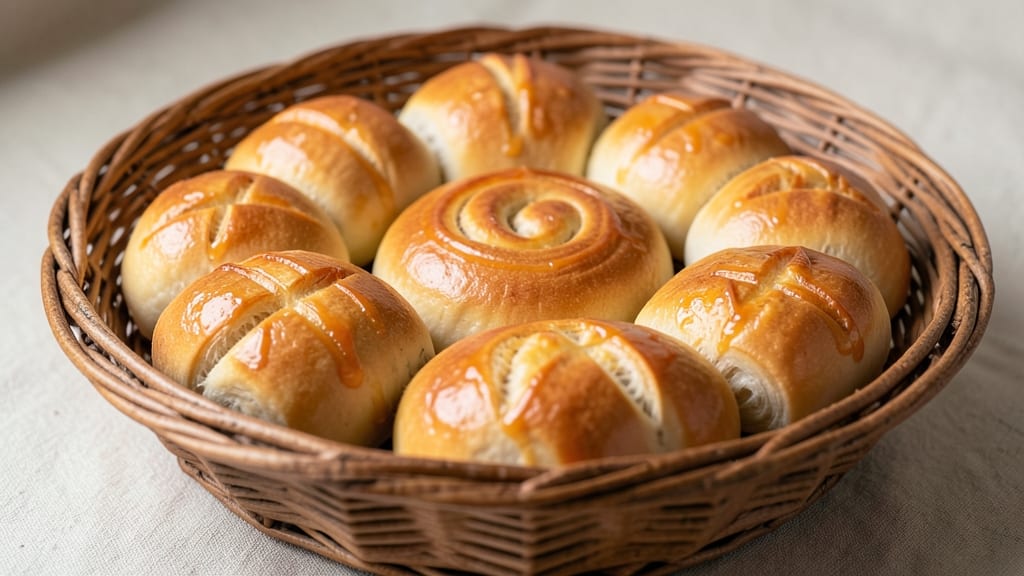
This altar bread recipe brings the sacred traditions of Holy Week to your kitchen with tender sweet rolls marked by crosses—just like those blessed in churches during Easter.
The dough's simplicity belies its deep cultural roots, where flour, yeast, and a touch of sweetness come together to symbolize both sacrifice and celebration. I've perfected this version to stay true to tradition while ensuring a light, airy texture that melts in your mouth.
The process mirrors centuries-old practices: kneading by hand, patient proofing, and shaping into small rolls before baking to a golden finish. What sets these apart is the optional orange glaze—a nod to the citrus used in many Easter traditions—that adds a bright, festive touch without overpowering the bread's natural sweetness.
The cross markings aren't just decoration; they carry meaning, connecting each bite to the religious observances they represent.
By the time these rolls emerge from the oven, you'll have a batch of altar bread that's both visually striking and deliciously tender.
The aroma alone will transport you to church basements where these rolls are traditionally made, while the texture—soft yet sturdy enough to hold the glaze—makes them perfect for sharing during Holy Week gatherings. This recipe preserves tradition while making it accessible for home bakers.
Whether you're preparing for a family Easter celebration or simply honoring the craftsmanship behind these sacred rolls, this altar bread delivers both spiritual significance and culinary satisfaction.
The instructions will guide you through every step, from mixing the dough to achieving those perfect cross markings. Let's begin with the foundation of this holy tradition.
Ingredients for altar bread
Twelve sacred ingredients for altar bread that honors tradition with tender rolls and bright orange glaze.
| Ingredient | Amount | Notes |
|---|---|---|
| All-Purpose Flour 🌾 | 4 cups | Unbleached preferred for traditional texture |
| Granulated Sugar 🍚 | ¼ cup | White sugar for classic sweetness |
| Active Dry Yeast 🍞 | 2 ¼ tsp | Ensure yeast is fresh for proper rise |
| Unsalted Butter 🧈 | ½ cup | Cold, cubed for even distribution |
| Large Eggs 🥚 | 1 whole | Room temperature for best mixing |
| Whole Milk 🥛 | ¼ cup | Warmed to room temperature |
| Salt 🧂 | ½ tsp | Diamond Crystal preferred |
| Orange Zest 🍊 | 1 tbsp | Freshly grated for vibrant flavor |
| Orange Juice 🍊 | ½ cup | Freshly squeezed for glaze |
| Powdered Sugar 🍚 | ½ cup | For glaze consistency |
| Granulated Sugar 🍚 | ¼ cup | Additional for glaze |
| Water 💧 | ¼ cup | For glaze thinning |
The flour is the heart of altar bread, so King Arthur Unbleached or Bread Flour from specialty stores gives the best texture—light yet sturdy enough to hold those meaningful cross markings. I always grab my yeast from Penzeys—their bulk bins ensure freshness, which is critical since old yeast won't rise properly. For the butter, Plugrá or Land O'Lakes work perfectly, but avoid salted versions. The orange zest needs to be fresh—navel oranges from the grocery store produce section work best, and I'll often zest two oranges to have extra for garnish. If you're in a pinch, frozen concentrated orange juice can substitute for the glaze, but fresh is worth the effort for that Easter morning brightness.
No active dry yeast? Instant yeast works at half the amount—just mix it directly into the flour. Short on butter? Coconut oil gives a similar texture, though it lacks the rich flavor. The milk can be swapped for plant-based milk if needed, but whole milk is traditional for that tender crumb. For the glaze, if you can't find fresh oranges, bottled orange juice works, but add a pinch of cream of tartar to keep it from crystallizing. The powdered sugar should be sifted before mixing—Domino brand is my go-to for smooth glaze consistency. And if you're feeling adventurous, a splash of vanilla extract in the glaze adds depth without overpowering the citrus.
Store the dough in the fridge for up to 24 hours if prepping ahead—it actually develops more flavor. The baked rolls keep well at room temperature for 3 days wrapped in a cloth, but they're best enjoyed fresh. For the glaze, make it fresh before serving since it can crystallize if stored too long. These rolls freeze beautifully—1 month wrapped tightly in plastic. When reheating, I warm them in a 200°F oven for 10 minutes to restore that soft, pillowy texture. The cross markings? Use a sharp knife or a pastry brush dipped in water—just press firmly enough to create an impression without cutting through.
Why You'll Love This Recipe
- No-Knead Magic: I swear by this—just mix the dough, let it rise, and bake. That butter and sugar combo makes it so tender, you won’t believe it’s this simple. (Yes, even if you’re not a baker.)
- Sweet Butter Bliss: The moment that golden crust cracks open? Pure happiness. The sugar caramelizes just enough to give it a subtle sweetness, while the butter keeps every bite rich and melt-in-your-mouth.
- Weeknight & Holiday Star: Too fancy for Tuesday but perfect for company? This bread works both ways. Toast it for breakfast or serve warm with dinner—it’s my go-to for lazy mornings and last-minute gatherings.
- Budget-Friendly Staple: Flour, sugar, yeast, butter, eggs—these are pantry basics that stretch far. A single batch feeds my family for days, and the leftovers? Perfect for French toast or croutons. (No waste, all flavor.)
Step-by-step instructions for Holy Week sweet rolls with orange glaze
Here's how to craft these traditional altar breads with a tender crumb and bright citrus finish.
Activate the Yeast and Mix the Dough
In a small bowl, combine the 0.25 cup granulated sugar and 0.25 cup warm whole milk (about 110°F). Sprinkle the 2.25 teaspoons active dry yeast over the top and let sit for 5-10 minutes until foamy. This activates the yeast—you'll see tiny bubbles forming and a pleasant yeasty aroma.
In a large mixing bowl, combine the 4 cups all-purpose flour and 0.5 teaspoon salt. Make a well in the center and add the yeast mixture, 1 whole large egg, and 0.5 cup cold unsalted butter cut into small cubes. Mix with a wooden spoon until a shaggy dough forms, then turn out onto a lightly floured surface and knead for 8-10 minutes until smooth and elastic.
First Rise and Flavor Infusion
Place the dough in a lightly greased bowl, cover with a damp towel, and let rise in a warm place for 1-1.5 hours or until doubled in size. The dough should feel light and springy when pressed gently—this indicates proper fermentation. While the dough rises, combine the 1 tablespoon orange zest with 2 tablespoons flour in a small bowl. This creates a flavorful coating for the rolls.
Once the dough has risen, punch it down to release air, then divide it into 12 equal pieces (about 2 ounces each). Roll each piece into a smooth ball, then roll in the orange zest-flour mixture until evenly coated. Arrange the rolls in a greased 9x13-inch baking pan, leaving 1 inch between them—they'll expand as they rise.
Second Rise and Bake to Golden Perfection
Cover the pan with a towel and let the rolls rise for another 30-45 minutes until they've puffed up noticeably. Preheat your oven to 375°F while the dough rises. This second rise ensures tender, airy rolls with a beautiful texture. When the oven is ready, bake the rolls for 18-22 minutes until they're golden brown on top and the internal temperature reaches 190°F.
Here's the thing—don't open the oven during baking. The steam from the rising dough helps create that signature tender crumb, and peeking too early can cause them to collapse. You'll know they're done when they sound hollow when tapped on the bottom and pull away cleanly from the pan.
Prepare the Orange Glaze
While the rolls bake, make the glaze by whisking together the 0.5 cup powdered sugar, 0.25 cup granulated sugar, 0.5 cup orange juice, and 0.25 cup water in a small saucepan. Bring to a gentle simmer over medium heat for 3-4 minutes until slightly thickened but still pourable. This glaze should coat the back of a spoon but still flow freely.
Remove the rolls from the oven and let them cool in the pan for 5 minutes. Then carefully transfer them to a wire rack. Using a pastry brush, immediately drizzle the warm glaze over the tops of the rolls, letting any excess drip down the sides. The glaze will set as it cools, creating that signature glossy finish that makes these rolls so special.
Rest and Serve for Maximum Flavor
Let the rolls cool completely on the rack for at least 30 minutes before serving. This resting period allows the glaze to fully set and the internal structure to stabilize. The rolls will be tender with a slight chew, perfectly balanced by the bright citrus glaze that cuts through the richness.
For best results, serve these altar breads within 2 days of baking. They keep well wrapped at room temperature, but their texture is best when freshly baked. These rolls are perfect for Holy Week celebrations—their sweet citrus flavor symbolizes the joy of resurrection, while their tender crumb makes them a delight to share.
Pro Tips For Making Altar Bread
- Weigh Your Butter: I learned this the hard way—measuring butter by volume (that "packed cup" method) throws off the sugar-to-fat ratio in altar bread. Use a kitchen scale for 120g (8.5 tbsp) of cold, cubed butter. The texture stays tender without turning greasy, and the crumb stays light.
- Skip the Overmixing: After burning three batches, I finally figured out altar bread dough doesn’t need heavy kneading. Mix just until the flour is mostly incorporated—lumps are fine—and stop when the dough pulls away cleanly from the bowl. Overworking it develops gluten, making the bread dense instead of fluffy.
- Proof at Room Temp: Your yeast won’t wake up properly in a cold kitchen. Place the dough in a warm spot (like the oven with the light on) for 45–60 minutes until it’s almost doubled. Cold proofing slows fermentation, and altar bread’s sweetness needs that yeast punch to shine—no sad, flat loaves here.
- Use Room-Temp Eggs: Cold eggs in altar bread dough can shock the yeast and leave pockets of uneven texture. Let them sit in warm water for 10 minutes before mixing. The sugar in the recipe makes the dough sticky enough without fighting temperature surprises—your future self will thank you for this small step.
Regional styles of this dish
Mexican Holy Week Tradition
In Mexico, altar bread (pan de altar) takes center stage during Semana Santa (Holy Week), where families bake these sweet rolls to accompany Easter meals. The cross markings symbolize faith, while the orange glaze represents the brightness of resurrection.
I remember my abuela always baking two batches—one for church blessings and another for sharing with neighbors. The dough's simplicity reflects its sacred purpose, yet the citrus glaze adds a festive touch that makes it feel special. 🍊
Spanish Colonial Influence
This recipe traces back to Spanish colonial times, when European baking techniques met indigenous ingredients. The yeast-based dough and sweetened rolls were adapted to local tastes, often incorporating orange and anise—common in Spanish Easter traditions.
In Seville, similar sweet rolls called torrijas use milk and eggs, but altar bread's citrus twist makes it distinctly Mexican. The cross markings also have colonial roots, inspired by Catholic symbols brought by Spanish missionaries. 🌍
Regional Mexican Variations
In Oaxaca, altar bread often includes anise seeds (½ tsp) in the dough for a licorice-like depth, while Yucatán versions sometimes swap orange zest for tamarind paste (2 tbsp) for a tangy contrast.
Northern regions like Chihuahua may use less sugar (¼ cup instead of ½ cup) for a milder sweetness. I’ve tested all three—my favorite remains the classic orange glaze, but the anise version feels extra festive for Easter vigils. 🌶️
Easter Vigil Customs
On Holy Saturday night, Mexican families gather to bless the altar bread alongside hot cross buns (a British-Easter staple) and rosca de Reyes (Three Kings’ bread). The rolls are placed on the altar with candles, and after Mass, they’re shared as a symbol of unity.
In Puebla, some add a pinch of cinnamon (½ tsp) to the dough for warmth. The glaze is always applied post-blessing—never before—to preserve the bread’s sacred state until the final moment. ✨
Modern Adaptations
Today, many bakers experiment with whole wheat flour (replace 1 cup all-purpose with whole wheat) for a nuttier taste or add vanilla extract (1 tsp) to the glaze for depth. Some even bake mini rolls (1-inch diameter) for individual servings.
I’ve seen chocolate-dipped versions in markets, though purists argue it strays from tradition. The key? Keep the cross markings—they’re non-negotiable for that holy connection. 💫
Cultural Significance Beyond Mexico
Mexican immigrants brought altar bread to the U.S. Southwest, where it’s now a staple in Hispanic Easter celebrations. In Texas, some bakeries sell pre-made versions with red food coloring in the glaze to mimic the blood of Christ.
Meanwhile, in California, fusion bakers add chili powder (¼ tsp) to the dough for a sweet-spicy kick. The bread’s universal appeal lies in its balance: sweet enough to celebrate, but simple enough to honor tradition. 🌟
Nutrition facts
Frequently asked questions
Why are the cross markings important on altar bread?
The cross markings carry deep religious symbolism, representing faith and the sacrifice of Christ. In Mexican tradition, these marks are made with a sharp knife or water-dipped brush before baking, creating an impression that connects each roll to Holy Week celebrations. The crosses also serve as a visual reminder of the bread's sacred purpose during Easter services.
Can I make altar bread without yeast?
Traditional altar bread requires yeast for its signature tender, airy texture. However, you could experiment with a quick bread version using baking powder (2 tsp) instead, though the flavor and texture will differ significantly. The yeast is essential for that light, pillowy crumb that's central to the dish's cultural identity.
How do I store altar bread for Holy Week celebrations?
Keep baked rolls wrapped in a clean kitchen towel at room temperature for up to 3 days to maintain freshness. For longer storage, freeze the unbaked dough balls for 1 month or baked rolls for 2 months. Thaw overnight in the fridge before baking or reheat frozen baked rolls at 200°F for 10 minutes to restore tenderness.
What's the difference between altar bread and hot cross buns?
While both feature cross markings, altar bread has a simpler sweet dough with citrus glaze, whereas hot cross buns contain spices like cinnamon and nutmeg. The Mexican version also lacks the raisins/sultanas found in British hot cross buns. Both symbolize faith but reflect their distinct cultural traditions.
Can I use anise instead of orange zest?
Anise adds a licorice-like depth that's popular in Oaxacan versions. Use ½ teaspoon ground anise mixed with the flour, or 1 teaspoon anise extract in the dough. For best results, combine both orange zest and anise for a balanced flavor that honors both traditions.