
Side Dishes
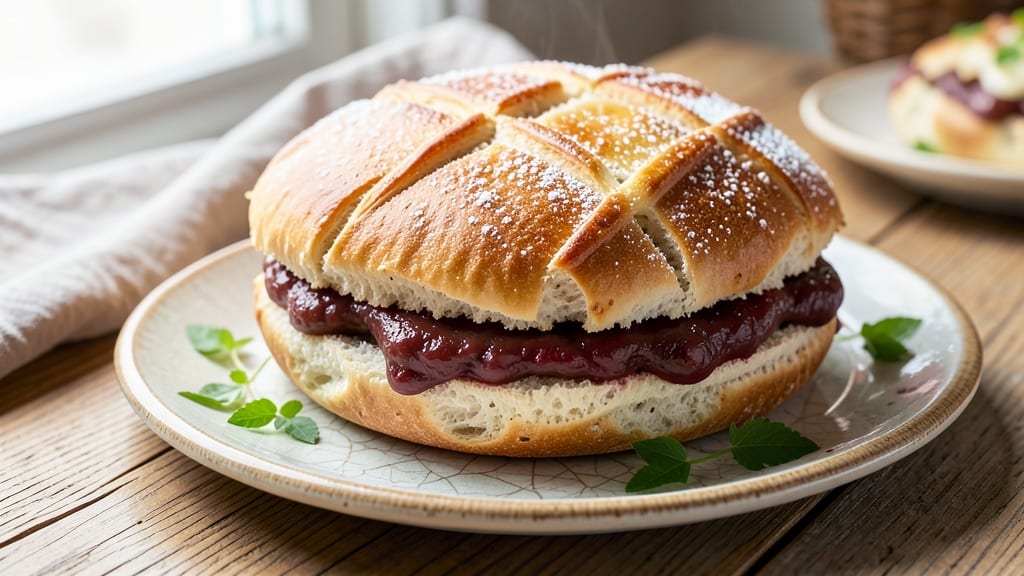
This anpan bread recipe brings the comforting flavors of Japan to your kitchen with its signature sweet red bean paste encased in a crispy, golden crust. 💛 Born from the traditional wagashi (Japanese confectionery) tradition, anpan represents the perfect balance of textures—soft, chewy filling meeting a tender, slightly crisp exterior.
The dough, made with simple ingredients like flour, yeast, and sugar, creates the ideal vessel for the rich anko filling, which is often made from azuki beans simmered into a smooth, sweet paste.
The magic of anpan lies in its simplicity and versatility. While the classic version features a simple flour-based dough and sweet red bean filling, variations like matcha-flavored dough or chocolate-filled centers add exciting twists.
The dough requires careful handling to achieve the right consistency—neither too sticky nor too dry—so we’ll walk you through the best techniques to ensure a perfect bake every time. Baking or steaming the bread brings out its signature aroma, making it irresistible.
Once baked, anpan’s warm, fragrant crust gives way to a soft interior filled with the velvety sweetness of the red bean paste. This bite-sized treat is traditionally enjoyed warm with a cup of green tea, but it’s equally delightful as a snack on its own.
The recipe also includes tips for troubleshooting common issues, like uneven filling distribution or dough that’s too dense, so you can achieve restaurant-quality results at home.
Whether you’re serving anpan as a dessert, a snack, or a centerpiece for a Japanese-inspired gathering, this recipe delivers the authentic flavors and textures that make it a beloved classic. Let’s get started on creating your own batch of these sweet, crusty delights.
Ingredients for anpan bread
Twelve simple ingredients transform into twelve golden, bite-sized anpan masterpieces—crispy crusts hugging sweet bean joy!
| Ingredient | Amount | Notes |
|---|---|---|
| All-Purpose Flour 🌾 | 4 cups | For soft, tender dough |
| Active Dry Yeast 🍞 | ¼ oz | Or 2.5 tsps (1 packet) |
| Granulated Sugar 🍚 | ¼ cup | For dough activation |
| Unsalted Butter 🧈 | ½ cup | Softened, full-fat preferred |
| Large Eggs 🥚 | 1 whole | Room temperature |
| Milk 🥛 | ¼ cup | Warm for best activation |
| Salt 🧂 | ½ tsp | Kosher or sea salt |
| Sweet Red Bean Paste (Anko) 🍫 | 2 cups | Store-bought or homemade |
| Honey 🍯 | 2 tbsp | For dough brushing |
| Egg Wash 🥚 | 1 whole | 1 egg beaten with 1 tbsp water |
| Azuki Beans (Optional) 🌱 | 1 ½ cups | Dried, for homemade anko |
| Sugar (For Anko) 🍚 | 1 cup | For homemade filling |
| Water (For Anko) 💧 | ½ cup | For homemade filling |
The dough is where magic happens. King Arthur or Gold Medal flour gives that perfect chew—no subbing here, trust me. For the yeast, Fleischmann's or Saf-Instant work perfectly, but check the expiration date (old yeast = sad dough). Warm the milk to 110°F—just warm enough to make a ripple when you touch it. Butter? Land O'Lakes or Plugrá are my go-tos, but any full-fat works. The anko? Mae Kani or Marukyu-Koyo from the Asian market section is the gold standard—thick, glossy, and perfectly sweet. Making your own? Soak azuki beans overnight (they triple in size!), then simmer with sugar and water until creamy.
Short on anko? Substitute with apricot jam or Nutella in a pinch (though purists will judge). No honey? Maple syrup works too—just reduce other liquids slightly. The dough too sticky? Chill it 15 minutes. Too dry? Add 1 tsp milk at a time. Rolling out the dough? Use a rolling pin with guides (like the OXO Good Grips one) to keep it even. And for the love of all things crispy, don't skip the egg wash—it's what makes that golden crust. Pro tip: If your anko is too thick, stir in 1 tsp water to pipe it smoothly.
Dough keeps 2 days wrapped in plastic in the fridge—perfect for shaping later. Anko? Store-bought lasts months unopened, but homemade keeps 2 weeks in the fridge. Baked anpan? Room temp for 1 hour before serving—lets the crust crisp up properly. Freeze unbaked anpan on a tray, then transfer to a bag for up to 3 months. Reheat in a 350°F oven for 5-7 minutes—nothing beats warm anpan straight from the oven with a cup of hot matcha
Why You'll Love This Recipe
- No-Knead Magic: I swear by this dough—just mix, let it rise, and boom. You’re not wrestling with gluten or waiting forever; the yeast does all the heavy lifting while you sip coffee.
- Sweet-Savory Hug: That buttery dough wrapped around red bean paste? It’s like a warm, chewy embrace. The sugar in the dough caramelizes just enough to make every bite feel special without tasting cloying.
- Lunchbox Legend: Between us, this is my go-to for packed lunches or picnic spreads. Slice it fresh, and it’s still soft by noon—no sad, stale sandwiches here.
- Budget Bakes Better: Flour, sugar, butter, eggs—these are pantry staples that won’t break the bank. Make a double batch, freeze half, and you’ve got a cheap, filling snack ready in minutes.
Step-by-step instructions for anpan bread recipe
Here's how to create these irresistible Japanese sweet breads with a fluffy crust and rich anko filling.
👨🍳 Step 1: Make the Anko Filling (If Using Homemade)
Start by combining the 1.5 cups azuki beans, 1 cup sugar (for anko), and 0.5 cup water (for anko) in a saucepan. Bring to a boil over medium-high heat, then reduce to a simmer and cook uncovered for 1-1.5 hours until the beans are tender and the mixture thickens to a paste-like consistency.
Use a potato masher or fork to mash the beans slightly, leaving some texture. The filling should be smooth but still hold its shape when packed into the dough. If you're using store-bought anko, skip this step and proceed with the 2 cups sweet red bean paste (anko) as-is.
👨🍳 Step 2: Prepare the Dough for Maximum Fluffiness
In a large bowl, combine the 4 cups all-purpose flour, 0.25 cup granulated sugar, and 0.5 tsp salt. Make a well in the center and add the 0.25 oz active dry yeast, 0.5 cup softened unsalted butter, 1 whole large egg, and 0.25 cup warm milk.
Mix with a wooden spoon until the dough comes together, then turn it out onto a lightly floured surface. Knead for 8-10 minutes until smooth and elastic. The dough should be slightly tacky but not sticky—add a little more flour if needed. Here's the thing—don't rush the kneading. This develops the gluten for that perfect fluffy texture.
🥘 Step 3: First Rise and Divide the Dough
Shape the dough into a ball, place it in a lightly greased bowl, cover with a damp towel, and let rise in a warm place for 1-1.5 hours or until doubled in size. Punch down the dough to release air, then divide it into 12 equal portions (about 2 oz each).
Roll each portion into a ball and flatten slightly into a disc. Place 2 teaspoons of the anko filling in the center of each disc. Gently wrap the dough around the filling, sealing the edges to completely enclose it. This creates that classic anpan shape—don't skip this step, or the filling will leak during baking.
🔥 Step 4: Second Rise and Shape for Perfect Bites
Arrange the filled dough balls on a parchment-lined baking sheet, leaving 2 inches between each. Cover loosely with a towel and let rise for another 30-45 minutes until puffy. While they rise, preheat your oven to 375°F.
Once risen, brush the tops with the egg wash (1 whole egg beaten with 1 tablespoon water) and sprinkle lightly with the 2 tablespoons honey. This creates that beautiful golden crust and adds subtle sweetness. The honey will caramelize slightly during baking, giving you that irresistible shine and flavor.
🔥 Step 5: Bake to Golden Perfection
Bake for 15-18 minutes until the breads are deep golden brown and sound hollow when tapped on the bottom. The edges should be crispy while the centers remain soft and pillowy. Real talk—don't overbake. Anpan should be tender inside with just a slight give when pressed.
Transfer to a wire rack and let cool for 10 minutes before serving. The breads will firm up slightly as they cool, but they're best enjoyed warm when the filling is still soft and gooey. Slice through the center to reveal that beautiful contrast of fluffy crust and rich anko filling—this is the moment that makes all the effort worth it!
Pro Tips For Making Anpan Bread
- Test Yeast First: Mix a tiny spoonful of yeast with warm water (110°F) and a pinch of sugar—if it bubbles in 5 minutes, your dough’s ready to rise. I learned this the hard way after baking a flat, sad anpan because my yeast was dead; this check saves you from wasting ingredients.
- Chill the Dough: After kneading, let the dough rest in the fridge for at least 1 hour (overnight is better). Cold slows gluten development, making the final texture tender and preventing a gummy center—my grandmother swore by this, and she was right.
- Butter at Room Temp: Cut the unsalted butter into small cubes and let it sit out for 30 minutes before mixing—this ensures even distribution without lumps. I used to melt it, and the bread always tasted greasy; room temp butter gives that rich, flaky texture.
- Steam the Pan: Brush the baking pan with egg wash and add a splash of water before baking—this creates steam, helping the anpan rise higher and develop that glossy, crackly crust. Sounds weird, but it works: my first attempt without it turned out dense and dull.
Perfect pairings for this dish
Tea Pairings
Anpan's sweet, nutty red bean filling pairs beautifully with hot green tea, especially sencha or matcha. The earthy notes of matcha complement the anko's richness perfectly, while sencha's bright flavor cuts through the sweetness.
For a cozy experience, I love serving warm anpan with hōjicha, a roasted green tea that adds a toasty depth. 🍵
Coffee Complements
If you prefer coffee, a light roast Japanese coffee like Kona or Sumatran works wonderfully. The medium body and subtle sweetness of these beans enhance the anpan's flavors without overpowering them.
For a dessert-style pairing, try a cold brew with a touch of vanilla—it creates a delightful contrast with the warm, spiced notes of the bread.
Seasonal Drink Ideas
In summer, swap tea for iced jasmine tea or a refreshing yuzu soda to balance the richness. For winter, warm mulled wine or spiced apple cider adds a festive touch. I often serve anpan with sake (chilled or warmed) during celebrations—it's a classic pairing that elevates the experience. 🍶
Dessert Additions
For a dessert spread, serve anpan alongside white chocolate-dipped mochi or matcha tiramisu. The contrast of textures and flavors makes for an unforgettable treat. A dollop of red bean ice cream (using leftover anko) is another fun idea—it’s like dessert in every bite! 🍦
Savory Contrasts
Believe it or not, anpan can also shine in savory pairings! Try serving it with miso soup or pickled vegetables to balance the sweetness. The umami from miso pairs surprisingly well with the anko’s richness, creating a harmonious bite.
For a modern twist, add a sprinkle of flaky sea salt on top before serving. 🧂
Nutrition facts
Frequently asked questions
Can I make anpan without yeast?
Traditional anpan requires yeast for that signature fluffy texture, but you can make a quick version using baking powder. Replace the yeast with 1.5 teaspoons baking powder and 1 teaspoon baking soda, and skip the first rise. The result will be denser but still delicious—great for when you're short on time.
How do I store leftover anpan?
Keep baked anpan in an airtight container at room temperature for up to 2 days—they're best enjoyed warm! For longer storage, freeze unbaked anpan on a tray for 1 hour, then transfer to a bag for 3 months. Reheat frozen anpan in a 350°F oven for 5-7 minutes until golden and warm through.
Why did my anpan turn out dense?
Dense anpan usually means the dough didn't rise properly. Check your yeast—it might be expired or too cold. Also, ensure your oven isn't too hot (stick to 375°F) and don't overbake. For extra fluffiness, let the dough rise in a warm spot (like a turned-off oven with a bowl of hot water) and avoid opening the oven during baking.
Can I use different fillings besides anko?
While anko is traditional, you can experiment with chocolate ganache, matcha cream, or even strawberry jam. For best results, use fillings that are slightly thicker than anko so they don't leak during baking. Just adjust the amount to 2 teaspoons per dough ball to maintain the classic shape.
How do I make anpan look more professional?
For a polished look, use a small round cutter (about 2 inches) to shape the dough balls before the second rise. After baking, brush the tops with melted white chocolate or sprinkle with toasted sesame seeds for extra flair. Serve on a wooden board with fresh green tea leaves scattered around for an authentic Japanese presentation.