Side Dishes
This amazingly easy Irish soda bread recipe proves you don’t need yeast, complicated techniques, or hours of waiting to bake bread that tastes like a cozy Irish pub.
The secret lies in the traditional combination of buttermilk and baking soda, which creates that signature tender crumb and slightly crispy crust—no kneading required. I’ve perfected this version over years of baking, ensuring it’s foolproof for beginners while staying true to the classic texture and flavor.
The beauty of soda bread is its simplicity: just six core ingredients, a 15-minute prep, and a 45-minute bake in your home oven.
No rising time means you can have warm bread on the table in under an hour, perfect for pairing with soups, stews, or butter straight from the fridge. The recipe also allows for customization—add raisins, seeds, or even a pinch of cheese for a modern twist without sacrificing authenticity.
What makes this recipe truly stand out is the perfect balance of texture: a soft, slightly crumbly interior with a golden, rustic crust that’s just crisp enough to hold up to butter. The buttermilk activates the baking soda, creating tiny air pockets that give soda bread its signature lightness.
No special tools are needed—just a bowl, a knife, and your hands. This is the kind of bread that feels like a hug in every bite.
Whether you’re serving it at a holiday gathering or enjoying a quiet afternoon with tea, this soda bread delivers restaurant-quality results with minimal effort. The best part? Leftovers stay fresh for days, making it the ultimate make-ahead side dish. Let’s get baking—your kitchen will smell like Ireland in no time.
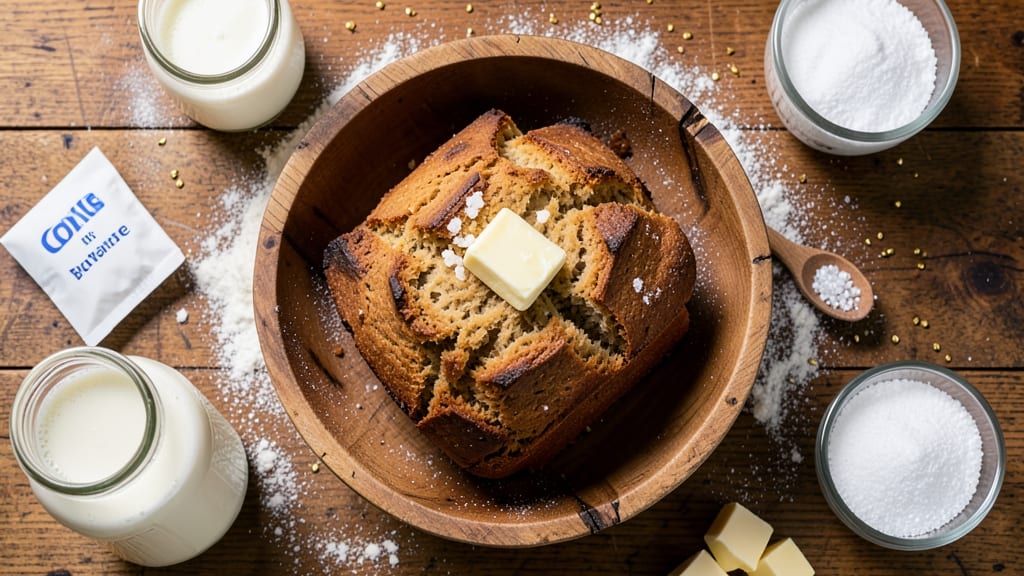
Ingredients for amazingly easy irish soda bread
Six simple ingredients transform into rustic Irish soda bread with perfect texture.
| Ingredient | Amount | Notes |
|---|---|---|
| All-Purpose Flour 🌾 | 4 cups | Unbleached preferred for best texture |
| Buttermilk 🥛 | 1 ½ cups | Full-fat for authentic flavor |
| Baking Soda 🧂 | 1 tbsp | Pure, not baking powder |
| Salt 🧂 | ½ tsp | Fine sea salt preferred |
| Granulated Sugar 🍚 | ¼ cup | White or brown sugar works |
| Unsalted Butter 🧈 | ½ cup | Cold, cubed for texture |
| Raisins 🍇 | ½ cup | Optional, plump and rinsed |
| Fresh Rosemary 🌿 | 1 tbsp | Chopped, finely minced |
The flour is non-negotiable here—King Arthur or Bob’s Red Mill make all the difference. I grab mine from Whole Foods or the bulk section at Trader Joe's for that extra-fine grind. Buttermilk? Full-fat is key—it’s what gives that signature tang. If you’re in a pinch, mix 1 tbsp lemon juice or vinegar with 1.5 cups milk. The baking soda needs to be fresh—if it’s been sitting in your pantry for months, toss it. Test by dropping a pinch in water: it should fizz immediately.
No buttermilk? Plain yogurt with a splash of milk works too. Want to skip the raisins? Sunflower seeds or chopped walnuts add crunch instead. The rosemary is optional but adds that cozy Irish pub aroma—fresh is best, but dried at half the amount gets you close. Sugar can be swapped for honey or maple syrup, though it’ll darken the crust. And the butter? Cold cubes give you those gorgeous pockets—don’t melt it first!
This bread stays fresh for 3-4 days wrapped in a towel, but it’s best the first day. For longer storage, freeze slices wrapped in parchment—they’ll last 3 months. Reheat in a 350°F oven for 5-10 minutes to revive that crusty texture. Pro tip: Brush the top with melted butter before serving—trust me on this. The leftovers? Perfect for French toast or bread pudding later in the week.
Why You'll Love This Recipe
- No Mixer Needed: The buttermilk and baking soda do all the work—just toss the flour, salt, and sugar in a bowl, add the wet stuff, and fold. That’s it. No kneading, no waiting for dough to rise, no fancy tools. Honestly, I’ve made this while my coffee brewed and still had time to read the news.
- Tangy, Toasty Magic: The buttermilk gives it that signature Irish tang, while the baking soda puffs it up just enough for that crispy crust and soft crumb. Sprinkle a little sugar on top before baking, and you’ve got caramelized edges that taste like a hug from your grandma’s kitchen.
- Breakfast to Picnic: I keep a loaf on hand for toast in the morning, but it’s also my go-to for sandwiches or charcuterie boards. Between us, it’s the star of my lazy Sunday brunch and the perfect side for a potluck—no one ever leaves with leftovers.
- Pantry Staple, Zero Waste: Five ingredients, all of which I already have. That buttermilk? I make it from milk and vinegar if I’m out. And the best part? It keeps well for days, so I can bake one and not stress about it going stale. Budget-friendly, foolproof, and always useful—what’s not to love?
Step-by-step instructions for Irish soda bread
This no-yeast bread comes together faster than you can say "Erin go bragh" — and it's foolproof!
Mix Dry Ingredients for Perfect Texture
In a large bowl, combine the 4 cups all-purpose flour, 1 tablespoon baking soda, ½ teaspoon salt, and ¼ cup granulated sugar. Use your fingers to gently break up any lumps in the flour — this ensures even distribution of leavening. I like to press the baking soda into the flour mixture to prevent any bitter pockets from forming later.
Next, add the ½ cup raisins and 1 tablespoon finely chopped fresh rosemary. Toss everything together until the raisins are evenly distributed. The rosemary's piney aroma will infuse beautifully, but don't overmix — just enough to coat the flour with the herbs. This step sets the foundation for that signature Irish soda bread crumb.
Cut in Cold Butter for Crumbly Perfection
Add the ½ cup cold, cubed unsalted butter to the dry ingredients. Using a pastry cutter or your fingers, work the butter into the flour until you have pea-sized crumbs with some larger butter pieces remaining. This cold butter creates pockets of steam during baking, resulting in that signature tender crumb and crispy crust.
Don't be tempted to melt the butter — cold butter is crucial for that authentic texture. If the mixture seems too dry, resist adding liquid yet. We'll incorporate the buttermilk in the next step, but adding it too early can activate the baking soda prematurely.
Combine with Buttermilk for Quick Rise
Make a well in the center of your dry mixture and pour in the 1½ cups buttermilk. Using a wooden spoon or your hands, gently mix until just combined — you'll want to see some dry flour remaining. The buttermilk's acidity will react with the baking soda to create air pockets, giving your bread its characteristic lightness without yeast.
Here's the thing — don't overmix! Once the dough comes together, give it one final stir to ensure everything is incorporated. Overworking the dough develops gluten, which can make your bread dense. The ideal consistency should be slightly sticky but manageable — if it's too wet, add a tablespoon more flour.
Shape and Score for Classic Presentation
Turn the dough onto a lightly floured surface and shape it into a round loaf about 1 inch thick. I like to use my hands to gently press the dough into a circle, then bring the edges toward the center to form a smooth top. The thickness is important — too thin and it'll bake too quickly, too thick and the center may remain underdone.
Place the shaped loaf on a baking sheet lined with parchment paper. Using a sharp knife or razor blade, score the top with a deep cross. This isn't just for looks — the cross allows the bread to expand properly as it bakes, preventing cracks and creating that beautiful crust pattern. The deeper the cut, the more pronounced the rise will be.
Bake to Golden, Crusty Perfection
Preheat your oven to 375°F and place a small baking dish on the lower rack — this creates steam during baking, which is essential for that moist crumb. Bake the bread for 40-45 minutes until the top is deep golden brown and sounds hollow when tapped on the bottom.
I know it's tempting to check early, but resist! The bread needs that full baking time to develop proper texture. When done, the internal temperature should reach 190-200°F. Let it cool on a wire rack for at least 15 minutes before slicing — this resting period allows the crumb to set properly and prevents a gummy texture.
Pro Tips For Making Amazingly Easy Irish Soda Bread
- STOP MIXING DRY: Mix the flour, baking soda, salt, and sugar first—right in your bowl—before adding buttermilk. I learned this the hard way: skipping this step means lumps hiding in your dough, and no amount of kneading will fix it. A quick whisk with a fork gets everything evenly distributed so the buttermilk blends in smooth.
- CHILL THE DOUGH: After mixing, let the dough sit for 10 minutes—no more, no less—covered with a damp towel. Sounds counterintuitive, but this gives the baking soda time to fully activate without overworking the gluten. I used to skip it, and the bread always came out dense or collapsed in the oven.
- USE A HEAVY SKILLET: Cast iron or steel is your friend here—it retains heat better than nonstick and gives that classic crust. Preheat it hot (yes, even if you’re nervous about burning the bread), then add the dough and cook until the bottom is deep golden brown. Trust me, the extra few minutes at high heat makes all the difference in texture.
- SKIP THE KNEADING: This isn’t yeast bread—you’re not building gluten, you’re making a quick, rustic loaf. Stir the buttermilk into the dry ingredients just until combined, then shape it gently with wet hands. Overmixing turns soda bread into a tough brick, and nobody wants that. Rough edges? That’s the charm.
Serving suggestions for this dish
Classic Pairings
Serve your warm Irish soda bread with Irish butter straight from the fridge—its rich, slightly salted flavor melts perfectly into the bread’s tender crumb. For a hearty meal, pair it with Irish stew or corned beef and cabbage during St. Patrick’s Day celebrations.
The bread soaks up the savory juices beautifully. 🥄
For a lighter option, try it with Irish cream cheese (like Murphy’s) and sliced apples—the sweet-tart combo balances the bread’s rustic flavor. A cup of Irish breakfast tea or hot whiskey (like Jameson) completes the cozy experience.
Modern Twists
Elevate your soda bread with smoked salmon and herbed cream cheese for a brunch spread. The salty fish and creamy cheese contrast the bread’s slight tang. For a vegetarian option, top with avocado slices, everything bagel seasoning, and a drizzle of chili oil. 🥑
Use leftover slices for Irish soda bread pudding—toss with custard, raisins, and a sprinkle of cinnamon, then bake until golden. It’s a crowd-pleaser for dessert or breakfast.
Global Fusion
Add a Mediterranean twist by serving with hummus, olives, and feta cheese. The bread’s texture holds up perfectly to dips. For a spicy kick, pair with sriracha mayo and pickled onions—a Southern-inspired combo that’s surprisingly delicious. 🌶️
In Italy, you’d serve it with tomato-basil soup or prosciutto—the bread’s simplicity lets the bold flavors shine. For a Japanese-inspired meal, try it with miso soup and pickled vegetables for an unexpected but harmonious pairing.
Breakfast Reinvention
Transform your soda bread into Irish soda bread French toast—slice the bread, dip in an egg mixture with vanilla extract and cinnamon, then pan-fry until golden. Top with maple syrup and whipped cream for a decadent breakfast. 🍳
For a savory morning, make Irish soda bread croutons—toss cubes with olive oil, garlic powder, and Parmesan, then bake until crispy. Perfect for salads or soups!
Nutrition facts
Frequently asked questions
Why does traditional Irish soda bread not use yeast?
This bread relies on the chemical reaction between baking soda and buttermilk for its rise, eliminating the need for yeast. The acid in buttermilk activates the baking soda, creating tiny air pockets that give soda bread its signature tender crumb. This method was historically used because it required no waiting time—perfect for quick breads!
Can I substitute buttermilk if I don't have any?
Mix 1 tablespoon lemon juice or vinegar with 1½ cups milk and let it sit for 5 minutes to curdle. This DIY buttermilk works perfectly for the recipe. For extra tang, use apple cider vinegar instead of white vinegar.
What if my soda bread turns out dense instead of light?
Overmixing the dough develops too much gluten, making the bread dense. Stop mixing as soon as the ingredients come together—you should see dry flour remaining. Also, ensure your baking soda is fresh (test by dropping a pinch in water—it should fizz immediately).
How do I store leftover Irish soda bread?
Wrap it in a clean kitchen towel and store at room temperature for 3-4 days. For longer storage, freeze slices wrapped in parchment paper—they’ll stay fresh for 3 months. To revive the crust, reheat slices in a 350°F oven for 5-10 minutes before serving.
Can I add other mix-ins besides raisins?
Yes! Try sunflower seeds, chopped walnuts, or even grated carrot for extra moisture. For a savory twist, add cheddar cheese or crumbled bacon. Just keep the total add-ins to ½ cup to maintain the bread’s texture.