
Side Dishes
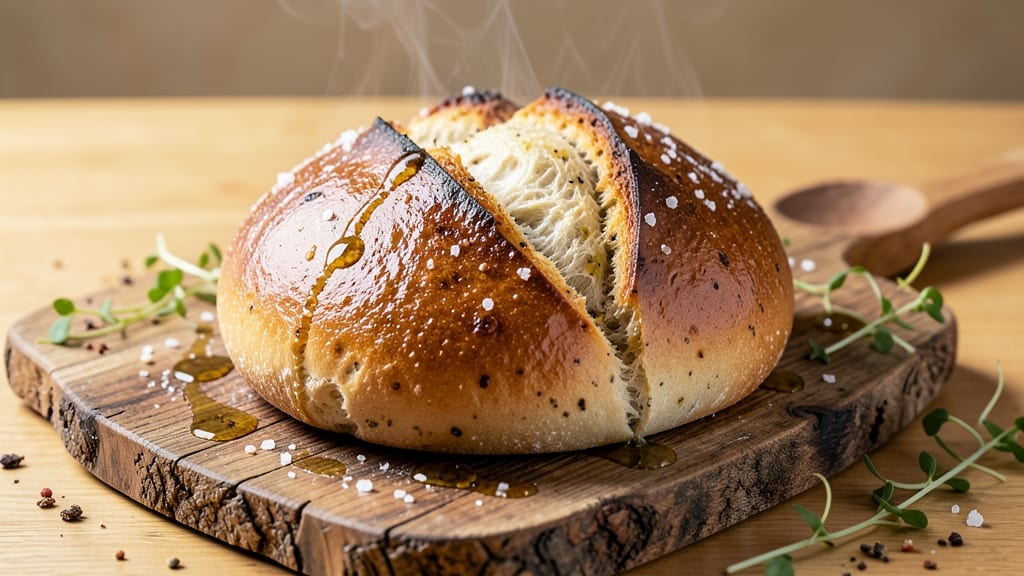
Angelo's bread recipe delivers that perfect balance of golden crust and soft, pillowy interior that makes every bite irresistible. 🌟 I've perfected this classic Italian loaf through years of testing, ensuring the dough develops just the right texture and flavor profile.
The secret lies in the slow fermentation and precise baking technique that creates that signature crust. This recipe brings together simple ingredients—flour, yeast, water, and olive oil—to create a loaf that's both rustic and elegant. The dough requires patience during kneading and proofing, but the results are worth every minute.
What you'll end up with is a loaf that's crisp on the outside with a tender, airy crumb inside—exactly what makes Angelo's bread so beloved. The aroma alone will have everyone gathering around your kitchen as it bakes.
Serve warm with olive oil and flaky sea salt for an authentic Italian experience. This bread is perfect for sandwiches, dipping in soups, or simply enjoying on its own with a spread of butter.
With just a few basic ingredients and some time, you'll achieve restaurant-quality results that taste like they came straight from Angelo's kitchen. Let's get started on creating this timeless classic!
Ingredients for angelo's bread
Simple ingredients, precise technique—this creates Angelo's signature golden crust and pillowy heart.
| Ingredient | Amount | Notes |
|---|---|---|
| All-Purpose Flour 🌾 | 5 cups | High-protein preferred for structure |
| Active Dry Yeast 🍞 | ¼ oz | Fresh yeast if available (2.25 tsp) |
| Granulated Sugar 🍚 | 1 tbsp | Enhances yeast activation |
| Salt 🧂 | 2 tsp | Diamond Crystal preferred |
| Extra-Virgin Olive Oil 🫒 | ½ cup | Fruity, not bitter |
| Warm Water 💧 | 1 ¼ cups | 110°F for optimal yeast activation |
| Cornmeal 🌽 | ¼ cup | For dusting baking sheet |
| Flaky Sea Salt 🧂 | 2 tsp | For finishing crust |
| Semolina Flour 🌾 | ⅛ cup | Optional for crust texture |
| Ice Water ❄️ | ⅛ cup | For shaping dough |
The flour is non-negotiable here. King Arthur or Caputo Tipo 00 if you want to splurge, but Gold Medal all-purpose works perfectly for home bakers. Yeast is the heart of this loaf—fresh yeast works best if you can find it, but active dry yeast in a warm spot for 5 minutes does the trick. The olive oil should be fruity and peppery—not that harsh, bitter stuff. California Olive Ranch or Colavita are reliable choices. For the water, use a thermometer—110°F is ideal for activating yeast without killing it.
No cornmeal? Semolina or all-purpose flour works in a pinch for dusting. Short on flaky sea salt? Maldon or Jacobsen are the gold standards, but any flaky salt will do. The semolina is optional but worth it—it creates that signature crisp crust. Substitute with extra all-purpose flour if needed. For shaping, ice water in your hands prevents sticking better than any flour. The dough needs to be firm but not rock-hard—add a splash of water if it cracks when handling.
This dough requires patience. Cold proofing overnight in the fridge develops the best flavor. For storage, wrap tightly in plastic and keep at room temperature for 2-3 days or freeze for up to 3 months. To revive frozen dough, let it sit at room temperature for 2 hours before shaping. The crust stays crisp for 2 days if stored in a bread box—slice only when serving to maintain texture.
Why You'll Love This Recipe
- No-Knead, No-Fuss Magic: I swear by this dough—just mix, wait, and bake. That olive oil infusion gives it a tender crumb without a single punch of effort.
- Sweet-Savory Balance: The sugar and yeast team up for a subtle caramel note, while the olive oil keeps it rich but never heavy. It’s the kind of bread that makes you pause mid-slice.
- Weeknight Hero: Toss in a loaf for breakfast, pack it for lunch, or serve it warm with dinner—it’s my go-to when I’m too tired to think. Honestly, it’s the only bread I bake anymore.
- Budget-Friendly Staple: Five ingredients, endless uses. Freeze the leftovers for toast or garlic bread later, and you’ll never waste dough again. My wallet thanks me every time.
Step-by-step instructions for Angelo's bread
Master this classic Italian loaf with a crisp golden crust and tender interior using precise technique.
👨🍳 Step 1: Activate the Yeast and Mix the Dough
In a large bowl, combine the 5 cups all-purpose flour, 1 tbsp granulated sugar, and 2 tsp salt. Make a well in the center and add the 0.25 oz active dry yeast. Pour in the 1.25 cups warm water (110°F) and 0.5 cup extra-virgin olive oil, then mix with a wooden spoon until a shaggy dough forms.
Transfer the dough to a lightly floured surface and knead for 8-10 minutes until smooth and elastic. You'll know it's ready when it springs back slowly when poked. If the dough feels sticky, add 1 tbsp flour at a time until it's just manageable. This kneading develops gluten for that signature pillowy texture.
🥘 Step 2: First Rise and Shape the Loaf
Lightly oil a large bowl, place the dough inside, and cover with a damp towel. Let it rise in a warm place for 1-2 hours until it has doubled in size. I like to place my oven light on for gentle warmth—this creates the perfect environment for fermentation.
Once doubled, punch down the dough to release air, then divide it into 4 equal portions. Shape each into a smooth round ball, then flatten slightly and roll into a 12-inch log. This shaping creates the classic elongated loaf shape that bakes beautifully with a crisp crust.
🔥 Step 3: Second Rise and Prepare for Baking
Place the shaped loaves on a baking sheet dusted with 0.25 cup cornmeal, then cover and let rise again for 30-45 minutes until puffy. Preheat your oven to 375°F with a baking stone or inverted baking sheet inside—this creates steam for that golden crust.
Just before baking, brush the loaves with a little water and sprinkle generously with 2 tsp flaky sea salt. For extra texture, dust the tops with 0.125 cup semolina flour mixed with a pinch of salt. This final touch gives that signature crunchy crust while keeping the interior tender.
🔥 Step 4: Bake to Perfection
Bake for 25-30 minutes until the crust is deep golden brown and sounds hollow when tapped on the bottom. Rotate the baking sheet halfway through for even browning. I like to check at the 20-minute mark—your oven might run hot, so watch for that beautiful color change.
When done, transfer to a wire rack to cool completely. The bread will continue to firm up as it cools, developing that perfect balance of crisp exterior and soft interior. Slice when fully cooled for clean cuts and maximum enjoyment.
Pro Tips For Making Angelo'S Bread
- Bloom the Yeast First: Skip mixing yeast directly into dry flour—it’s lazy and often leads to weak dough. Instead, dissolve the yeast, sugar, and a splash of warm water (about 110°F) in your mixing bowl first, then let it foam for 5-10 minutes. This guarantees your yeast is active before the flour gets involved, and your bread won’t turn out dense or flat.
- Oil That Dough: Don’t just eyeball the olive oil—measure it. Angelo’s bread relies on that oil for tenderness, but too little makes it dry, and too much throws off the texture. Use the full amount called for, then knead it into the dough until it’s fully absorbed. Rubbing it between your fingers while kneading ensures even distribution.
- Let It Rise Twice: The first rise is obvious, but the second one? That’s where the magic happens. After shaping, let the dough rise again—even if you’re eager to bake. This step develops flavor and ensures a light, airy crumb. Cover it loosely with a towel and give it 1-2 hours in a warm spot (like a turned-off oven with a mug of hot water inside).
- Preheat the Pan: Angelo’s bread is baked in a skillet, and a cold pan is the fastest way to a soggy bottom. Heat your cast-iron or heavy pan over medium-high for at least 5 minutes before adding the dough. The residual heat helps create that crisp, golden crust right away—no waiting for the oven to catch up.
Health benefits of this dish
Whole Grain Boost
Swap up to 2 cups of the all-purpose flour for whole wheat or whole grain flour—brands like King Arthur Whole Wheat work beautifully. This adds fiber and B vitamins while maintaining a tender crumb.
The dough will be slightly denser, so reduce kneading time by 2 minutes to avoid over-developing the gluten. 🌱
Protein-Packed Twist
For a protein boost, replace ½ cup of the water with ½ cup Greek yogurt or buttermilk. This adds 10-12g of protein per loaf without altering texture.
I recommend Fage Greek yogurt for its tangy flavor. The acidity also enhances gluten development, creating a slightly tighter crumb that holds up better for sandwiches.
Gluten-Free Option
For a gluten-free version, use a 1:1 gluten-free flour blend like Bob's Red Mill 1-to-1 and add 1 tsp xanthan gum to mimic gluten's structure. Reduce the water by ¼ cup since gluten-free flours absorb differently.
The crust will be slightly less crisp, but the interior remains soft and flavorful. Proofing time increases to 1.5-2 hours for optimal rise.
Digestive Benefits
This bread is naturally low in fat and contains no cholesterol, making it heart-healthy. The olive oil provides monounsaturated fats that support cardiovascular health, while the whole grains (if used) add dietary fiber for better digestion.
A single slice contains about 100-120 calories, with minimal saturated fat—ideal for a balanced diet.
Energy Fuel
The combination of complex carbohydrates from flour and natural sugars from the yeast activation provides sustained energy. The slow fermentation process creates a lower glycemic index than store-bought bread, preventing blood sugar spikes. Perfect for breakfast or pre-workout fuel when paired with avocado or hummus. 💪
Allergen-Friendly
For nut-free and dairy-free needs, this recipe already meets those requirements. To avoid yeast allergies, substitute with 1 tsp baking powder and 1 tsp baking soda—omit the yeast entirely. The texture will be denser but still delicious. Always check ingredient labels for cross-contamination warnings if allergies are severe.
Nutrition facts
Frequently asked questions
Why does Angelo's bread need two rises?
The first rise activates the yeast and develops basic structure, while the second rise after shaping creates that signature airy texture. The second rise also allows the dough to relax after kneading, preventing a dense crumb. For best results, keep your kitchen at 75°F or warmer during rises.
Can I make this bread without a baking stone?
Place an inverted baking sheet on the lower oven rack 15 minutes before baking to create steam. This mimics a baking stone's effect and gives that crisp crust. For extra shine, spray the loaves with water just before baking.
What's the secret to that perfect golden crust?
Three key factors: semolina flour on top, flaky sea salt sprinkled before baking, and a hot oven with steam. Brush the loaves with water right before baking to boost browning. The crust will be crisp when fully cooled—never cut warm!
How do I store Angelo's bread to keep it fresh?
Wrap cooled loaves tightly in plastic wrap and store at room temperature for 2-3 days in a bread box. For longer storage, freeze wrapped loaves for up to 3 months. To revive, thaw overnight at room temperature and reheat at 350°F for 5 minutes to restore crispness.
Can I make this bread without olive oil?
Yes, but the flavor will be different. Substitute with melted butter or neutral oil (like avocado or vegetable oil). Use the same amount (½ cup) and expect a slightly richer, less fruity taste. For a lighter option, reduce to ¼ cup oil and add 1 tbsp melted butter instead.