
Sauces & Condiments
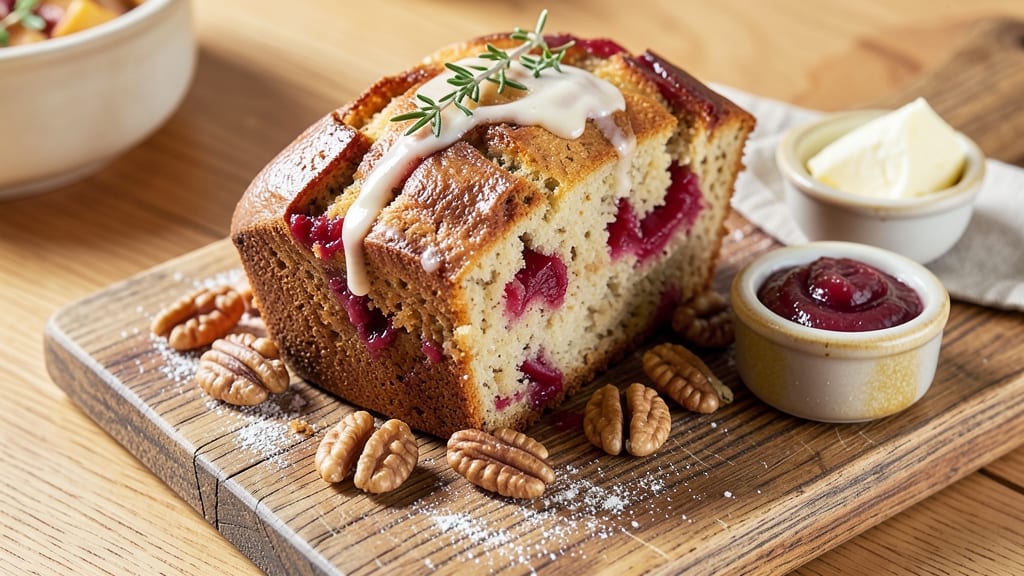
Paula Deen’s applesauce bread delivers that perfect balance of moist, tender crumb and a crusty golden crown—the kind that makes your kitchen smell like Southern comfort. 🌟 The secret lies in her signature slow-rise technique and the magic of applesauce, which keeps the bread impossibly soft while adding natural sweetness.
This isn’t just bread; it’s a celebration of warm spices and buttery layers that’ll have everyone asking for seconds.
The recipe begins with a rich, spiced dough infused with cinnamon and nutmeg, then swirled with applesauce for that signature Paula Deen flair. Unlike quick breads, this version relies on a slow overnight rise, allowing the flavors to meld and the texture to develop into something truly special.
The result? A loaf with a crispy, caramelized crust and a tender interior that’s almost cake-like.
What makes this bread truly unforgettable is the perfect harmony of sweet and spice—the applesauce adds moisture without overpowering, while the cinnamon swirls create pockets of warm, aromatic flavor. Whether you’re serving it with butter, jam, or as part of a holiday brunch, this loaf is a showstopper.
The best part? It’s easier than it looks, with a foolproof method that even beginner bakers can master.
Once baked, the glazed crown turns golden and shimmering, while the swirls of spiced applesauce peek through the crust like edible jewels. This isn’t just a loaf—it’s a centerpiece. Ready to bake the bread that’ll have your kitchen smelling like a Southern bakery? Let’s get started.
Ingredients for applesauce bread recipe paula deen
Buttery dough, spiced swirls, and applesauce magic—Paula Deen’s secret to that legendary crusty crown.
| Ingredient | Amount | Notes |
|---|---|---|
| All-Purpose Flour 🌾 | 4 cups | Sifted for light texture |
| Granulated Sugar 🍚 | ½ cup | White or light brown |
| Unsalted Butter 🧈 | ¾ cup | Cold, cubed for dough |
| Large Eggs 🥚 | 1 whole | Room temperature |
| Unsweetened Applesauce 🍎 | ½ cup | Unseasoned, unsweetened |
| Active Dry Yeast 🍞 | 0.02 oz | 1 packet or 2¼ tsp |
| Warm Milk 🥛 | ¾ cup | 110°F, not hot |
| Ground Cinnamon 🌿 | 2 tbsp | Freshly ground preferred |
| Ground Nutmeg 🌿 | ½ tsp | Freshly grated |
| Salt 🧂 | 1 tsp | Diamond Crystal preferred |
| Vanilla Extract 💧 | 1 tsp | Pure, high-quality |
| Brown Sugar 🍚 | ¼ cup | Packed, for swirl |
| Egg Wash 🥚 | 1 whole | For glazing crust |
| Coarse Sugar 🍚 | ¼ cup | For topping crown |
The flour is your foundation—King Arthur or Gold Medal if you want to splurge, but any all-purpose works fine. Warm milk (110°F) activates the yeast perfectly—use a thermometer if you're unsure. For the applesauce, unsweetened is key—no sugar added means you control the sweetness. The butter should be cold and cubed when you mix it in, or you'll end up with a gummy dough. Pro tip: If your kitchen runs warm, chill the dough for 30 minutes before shaping. Penzeys for spices if you're feeling fancy, but the grocery store stuff works too—just make sure it smells fresh.
No vanilla extract? Pure almond extract at half the amount works in a pinch, but it has a stronger flavor. Running short on brown sugar for the swirl? Mix white sugar with 1 tsp molasses for that caramelized depth. The cinnamon and nutmeg are non-negotiable for that Paula Deen magic, but if you're out of nutmeg, a pinch of cardamom adds a similar warmth. For the egg wash, beat the egg with 1 tsp water for extra shine. And if you're baking in a dry climate, brush the crust with melted butter halfway through baking for that extra crispiness. The coarse sugar topping? Turbinado sugar gives the best caramelized crust, but regular sugar works too.
This dough is a beast when it comes to storage—make it ahead and let it rise overnight for that signature slow fermentation. Wrap tightly in plastic and refrigerate for up to 3 days. The fully baked loaf? Room temperature for 2 hours, then slice and serve. It reheats beautifully—350°F for 10 minutes to restore that fresh-from-the-oven warmth. Freeze slices between parchment paper for up to 3 months. And if you're making a crowd version? Double the recipe and bake in a 9x13 pan for a stunning sheet pan loaf.
Why You'll Love This Recipe
- No Mixer Needed: I swear by this recipe when I’m in a rush—just fold the applesauce right into the flour, sugar, and softened butter. No kneading, no fuss, just a few minutes of mixing until the dough comes together. Honestly, I’ve made it while chatting with a friend on the phone.
- Sweet But Not Cloying: That applesauce keeps it moist without being heavy, and the sugar caramelizes just enough to give it a subtle, buttery crunch. It’s the kind of bread that disappears fast—my kids grab slices for lunchboxes, and I sneak bites when they’re not looking.
- Weeknight Hero: This bread is my go-to when I need something quick for breakfast or a snack. Toast it for a crispy edge or serve it warm with a smear of butter—it’s equally great for a lazy morning or a last-minute picnic. (Yes, even on a Tuesday night.)
- Pantry-Friendly Magic: Between us, this recipe uses stuff you already have—flour, sugar, butter, eggs, and applesauce. No specialty ingredients, no last-minute grocery runs. I’ve made it with store-bought applesauce when fresh wasn’t an option, and it still turned out tender and delicious. Budget win.
Step-by-step instructions for Paula Deen's applesauce bread
Let's create this Southern classic with its signature spice swirl and golden crown!
👨🍳 Step 1: Activate the Yeast and Mix the Dough Base
In a small bowl, whisk together the 0.75 cup warm milk (110°F), 0.5 cup granulated sugar, and 0.015 oz active dry yeast. Let it sit for 5-10 minutes until frothy—this confirms your yeast is alive and ready to work its magic. If it doesn't bubble, start over with fresh yeast.
In a large mixing bowl, combine the 4 cups all-purpose flour, 2 tbsp ground cinnamon, 0.5 tsp ground nutmeg, and 1 tsp salt. Sift the flour mixture directly into the bowl to avoid clumps. Make a well in the center and pour in the yeast mixture, 0.75 cup cold cubed unsalted butter, and 1 whole large egg. Mix with a wooden spoon until a shaggy dough forms.
🍳 Step 2: Incorporate Applesauce and Knead for Gluten Development
Add the 0.5 cup unsweetened applesauce and 1 tsp vanilla extract to the bowl. Using your hands, knead the dough on a lightly floured surface for 8-10 minutes until smooth and elastic. You'll know it's ready when it springs back slowly when poked—this means proper gluten development for that perfect chewy texture.
Here's the thing—don't rush this step. The applesauce makes the dough softer, so you might need to knead a bit longer than usual. If it feels sticky, add flour 1 tablespoon at a time until it comes together cleanly. Shape into a ball, place in a lightly greased bowl, and cover with a damp towel.
⏰ Step 3: First Rise for Flavor Development
Let the dough rise in a warm place for 1-2 hours until doubled in size. I like to place my oven on low heat with a bowl of hot water inside to create a perfect proofing environment. The dough should puff up dramatically and feel light when pressed gently with a fingertip.
While the dough rises, prepare your swirl filling by mixing 0.25 cup packed brown sugar with 1 tbsp ground cinnamon in a small bowl. This will create those beautiful swirls that make this bread so special. Don't skip this step—it's what makes Paula Deen's version stand out!
🥘 Step 4: Shape, Fill, and Second Rise
Punch down the risen dough and divide it into two equal portions. Roll each portion into a 12x6-inch rectangle on a floured surface. Spread half of the brown sugar-cinnamon mixture evenly over each rectangle, leaving a ½-inch border around the edges. Starting from the long side, roll each rectangle tightly into a log.
Place the filled logs seam-side down in a greased 9x5-inch loaf pan. Cover with a damp towel and let rise for another 30-45 minutes until the dough has risen about 1 inch above the pan. The tops should look slightly domed and feel springy to the touch.
🔥 Step 5: Bake to Golden Perfection
Preheat your oven to 350°F. Brush the tops of the loaves with the 1 whole egg wash and sprinkle generously with 0.25 cup coarse sugar for that beautiful crunchy crown. Bake for 45-50 minutes until the bread reaches 190°F internally and the top is deep golden brown.
For that perfect doneness, tap the loaves gently—they should sound hollow when done. Let cool in the pan for 10 minutes before transferring to a wire rack. The bread will be too fragile to slice immediately, but wait 30 minutes for it to set up properly. Each slice should reveal those gorgeous swirls of cinnamon-sugar goodness!
Pro Tips For Making Applesauce Bread Recipe Paula Deen
- MEASURE THE APPLESAUCE RIGHT: Paula Deen’s recipe calls for unsweetened applesauce, but not all brands are created equal—some are thicker, others watery. Use a spoon to pack it into the measuring cup (no scooping straight from the jar), or you’ll end up with a denser, heavier loaf. I learned this the hard way when my bread turned into a brick.
- CUT THE COLD BUTTER SMALL: The butter in this recipe needs to stay cold enough to create flaky layers, but not so cold it fights you. Cut it into ½-inch cubes instead of big chunks—this gives it more surface area to soften evenly in the dough without melting into a greasy mess. Trust me, your future self will notice the difference in texture.
- DON’T OVERMIX THE DOUGH: Once you add the flour, mix just until the dough comes together—about 30 seconds past that point, and you’ll develop the gluten too much, making the bread tough. The applesauce makes this dough sticky and forgiving, but resist the urge to knead it like bread dough. A few lumps are fine; they’ll disappear in the oven.
- BAKE UNTIL THE CENTER HITS 190°F: This bread looks done when it’s golden, but the center can stay undercooked if you pull it out too soon. Use an instant-read thermometer to check—190°F guarantees it’s fully baked and won’t be gummy. I used to eyeball it and end up with a sad, dense middle every time. Now I wait for that temp, and the bread stays moist for days.
Troubleshooting your applesauce bread recipe paula deen
Dense Dough Issues
If your dough feels too dense or heavy after kneading, you likely added too much flour or didn’t knead long enough. The applesauce makes this dough softer, so knead for 10-12 minutes until it springs back when poked.
If it still feels sticky, add flour 1 tablespoon at a time—but don’t overdo it, or your bread will turn out dry. I’ve found that using King Arthur flour helps achieve a lighter texture. 💡
Underproofed Dough
An underproofed loaf will be dense and heavy, lacking that light, airy crumb we all love. Look for the dough to double in size and feel springy to the touch.
If your kitchen is cold, use a proofing box or place the dough near the oven (with the light on) to create warmth. For the second rise, check the dough every 10 minutes—it should rise about 1 inch above the pan.
Flat or Sunken Loaves
If your loaves turn out flat or sunken, your yeast may have died or the oven temperature wasn’t hot enough. Always check your yeast by ensuring it’s frothy after mixing with warm milk.
Preheat your oven for at least 30 minutes before baking, and use an oven thermometer to confirm it’s at 350°F. If your oven runs hot, reduce the temperature by 25°F to avoid over-browning.
Pale or Uneven Baking
A pale or unevenly baked loaf usually means the oven wasn’t hot enough or the egg wash wasn’t applied evenly. Brush the loaves generously with egg wash and sprinkle the coarse sugar immediately before baking.
For even browning, rotate the pan halfway through baking. If your oven has hot spots, use a baking sheet under the loaf pan for extra insulation. 🔥
Cracked or Overly Crispy Crust
Cracks or an overly crispy crust often happen when the dough rises too much or the oven is too hot. To prevent cracks, score the dough lightly before baking with a sharp knife.
For a softer crust, reduce the oven temperature by 25°F and cover the loaves loosely with foil after 20 minutes of baking. If the crust is too dark, try baking at 325°F instead.
Dry or Crumbly Texture
If your bread turns out dry or crumbly, you may have over-kneaded the dough or used too much flour. The applesauce keeps the bread moist, so avoid adding extra flour unless absolutely necessary. For extra moisture, brush the baked loaf with melted butter while it’s still warm.
If the bread dries out quickly, store it in an airtight container with a slice of bread or a damp paper towel to retain freshness. ✨
Nutrition facts
Frequently asked questions
Can I substitute regular bread flour for all-purpose in this recipe?
You can use bread flour, but it will make the bread slightly denser due to its higher protein content. For Paula Deen's signature tender crumb, stick with all-purpose flour. If you must use bread flour, reduce it to 3½ cups and add ½ cup cake flour to maintain the light texture. The applesauce already keeps the bread moist, so this adjustment helps balance the gluten development.
What's the best way to store leftover applesauce bread?
Wrap the cooled loaf tightly in plastic wrap or place it in an airtight container. It stays fresh at room temperature for 2-3 days. For longer storage, freeze slices between parchment paper for up to 3 months. To revive stale bread, warm slices in a 350°F oven for 5-10 minutes with a splash of water in the pan for extra moisture.
Can I make this bread without yeast?
Not for this recipe—yeast is essential for the slow-rise technique that creates that signature tender crumb. However, you could make a quick version by replacing the yeast with 1½ tsp baking powder and 1 tsp baking soda, but the texture will be denser and less flavorful. The overnight rise is what develops those complex flavors Paula Deen is known for.
How do I know when the dough has risen enough?
The dough should double in size and feel light when pressed gently with a fingertip—it should spring back slowly. For the second rise, look for the dough to rise about 1 inch above the pan edges. If your kitchen is cold, use a proofing box or place the dough near the oven (with the light on) to create warmth. Never rush this step, or your bread will be dense.
Can I make this bread in a different pan shape?
Yes, but the baking time may vary. For a 9x13-inch pan, bake at 350°F for 35-40 minutes (cover with foil after 20 minutes if browning too quickly). For a round cake pan, reduce temperature to 325°F and bake for 40-45 minutes. The key is to monitor closely—smaller pans may need less time, while larger ones require more. Always check internal temperature with a thermometer (190°F).